
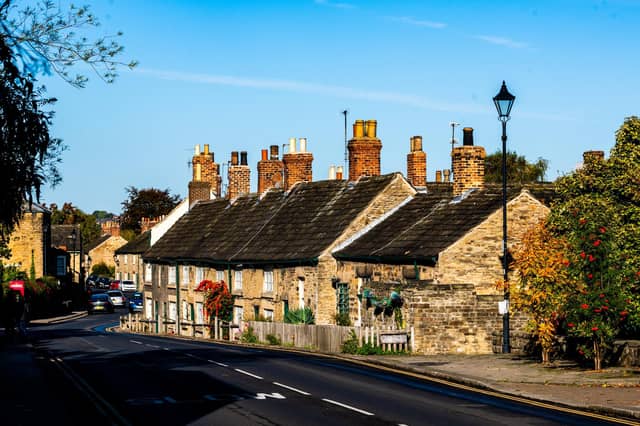


These villages sprung up on the landed estates of the gentry, mostly from the 18th century onwards when large numbers of staff were needed to work in the houses, gardens, parkland and estate businesses. Workers were given tenancies on their cottages and in some case commercial premises such as shops. In Yorkshire, many of these villages are still overwhelmingly owned by the family at the ‘great house’, such as the Worsleys of Hovingham Hall. Others are part of an estate where the house has been sold off or demolished but the surrounding land and farms remain in the family or a trust, such as Wentworth near Rotherham, which is managed separately to Wentworth Woodhouse. Others are no longer owned by any estate, but retain their historic features and are still well-preserved.
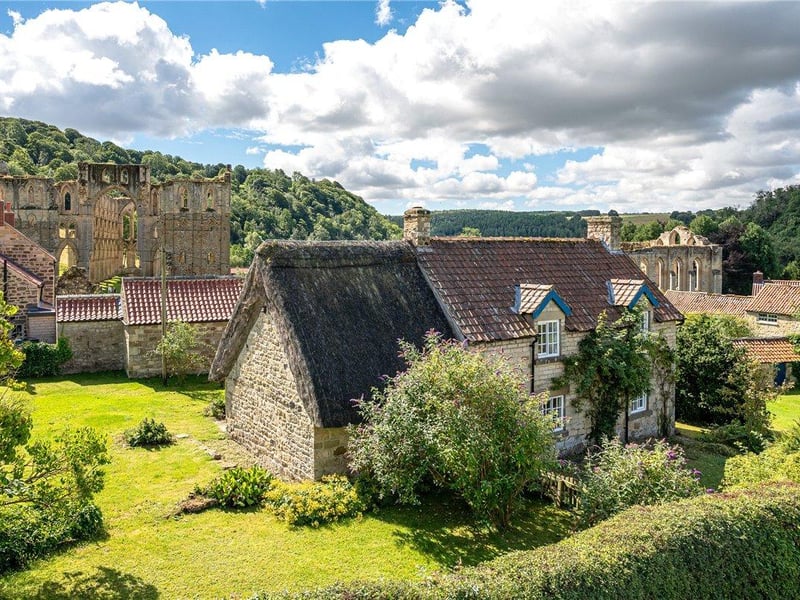
17. Rievaulx
Rievaulx's dozen or so cottages were mostly built with stone from the ruins of Rievaulx Abbey. The land eventually passed into the Lords Feversham, who live at Duncombe Park in nearby Helmsley and own a large estate. The village has been used for generations to house farm and forestry workers, and properties very rarely come up on the open market. Photo: UGC
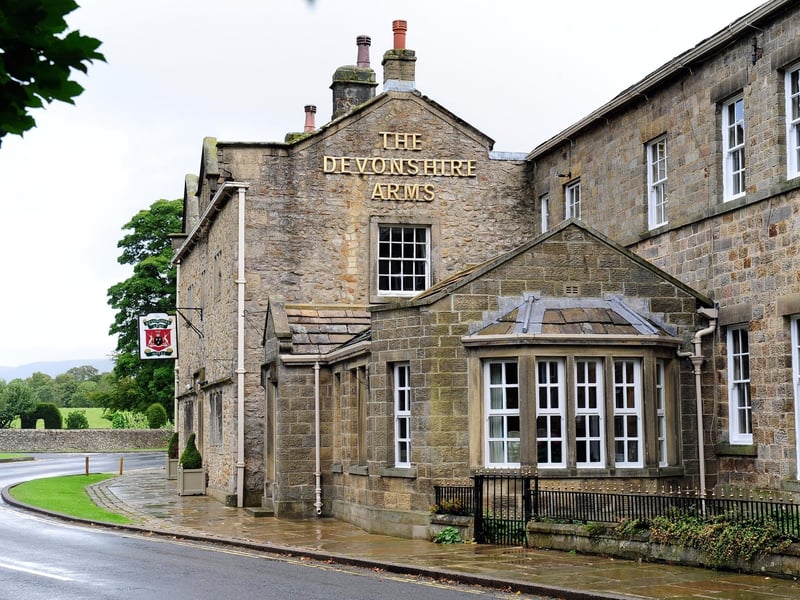
18. Bolton Abbey
Bolton Abbey and other villages such as Beamsley, Embsay, Barden and Addingham were historically part of the Duke of Devonshire's Bolton Abbey Estate near Skipton. The estate is still a major landowner, with the Cavendish family letting out cottages, houses, shops, pubs and other commercial properties. Photo: Glen Minikin / rossparry.co.uk