
Why Robin Hood's Bay was once one of the wealthiest villages in England
Legend has it that in the 18th century this small community built into the steep cliffs of the Yorkshire coast was one of the wealthiest villages in England.
The reason wasn’t the discovery of a rich seam of gold or Whitby jet, but rather the inhabitants’ participation in the lucrative but illegal business of smuggling.
Governments of the day had levied heavy taxes on goods like Chinese tea, tobacco, rum, brandy, salt and spices, silk and lace, and smugglers made fortunes by importing consignments from mainland Europe in the hours of darkness.
According to local legend, everyone from fishermen to innkeepers played a part, with a tunnel running beneath the village to spirit away contraband goods under the noses of the hated excisemen to the cellars of smugglers’ houses.

Above ground, goods soon disappeared into the village’s maze of streets.
If caught, however, smugglers faced harsh penalties, including long prison sentences and transportation to Australia.
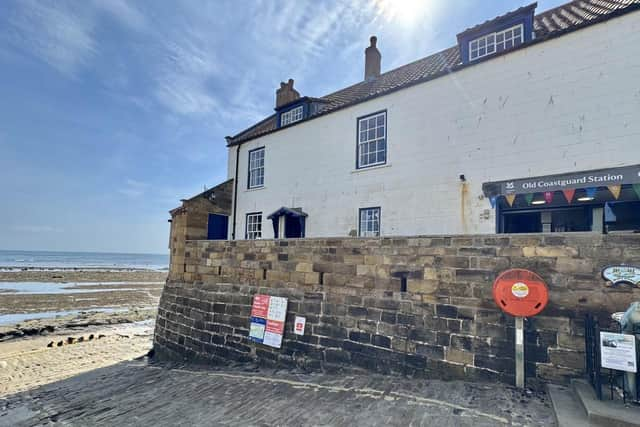
As part of a concerted effort to clamp down on the trade, between 1821 and 1825 a coastguard station was built overlooking the slipway at Robin Hood’s Bay.
From windows high on the seaward side, a lookout was maintained to scan the wide bay for the so-called “smuggling luggers” – traditional fishing boats with sails adapted to be fast enough to outpace the boats used by customs officers.
Smuggling activity died out in the 19th century, and by 1912 the coastguard station had become a marine research station.
In 1998 it was acquired by the National Trust as a visitor centre and cafe.