
Bordeaux: Crisis hitting one of France's most famous wines - but it means there are bargains to be had
Christine Austin reports on the crisis facing the wine industry in Bordeaux with many vineyards simply being pulled up… but there is always an upside, with bargains to be had.

This article contains affiliate links. We may earn a small commission on items purchased through this article, but that does not affect our editorial judgement.
It is difficult to believe that Bordeaux, the heart of the top-end of the French wine industry, is in crisis.
I spoke to a ‘courtier’ recently, whose job is to put growers in touch with commercial buyers and I asked him what the mood was like in Bordeaux.
‘Not good’ was the response and for someone whose business is to preserve the image of the region, so that buyers will pay the best price, that was quite a statement.
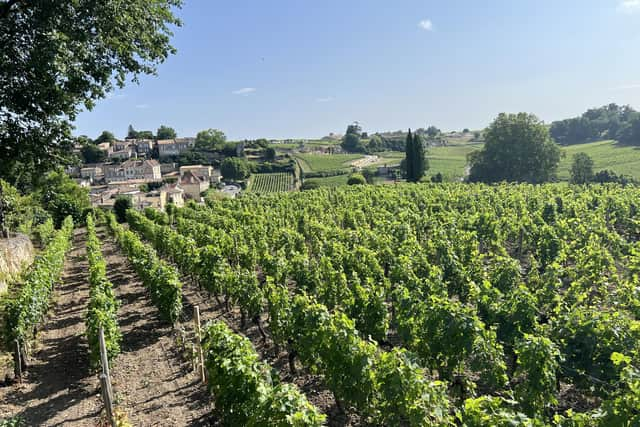

The trouble is that there is too much wine in the world, particularly red wine. Long gone are the days of the French Paradox when it was said that a daily glass of red wine could cut the risk of a heart attack.
That triggered whole populations, particularly in the Far East to start drinking red wine, and Bordeaux did very well out of it.
Was the Paradox true? Apparently, the key to all those health statements was down to how you read the numbers.
Then the Chinese started buying châteaux. Between 2008 and 2018 over 200 Bordeaux properties were bought by Chinese investors.
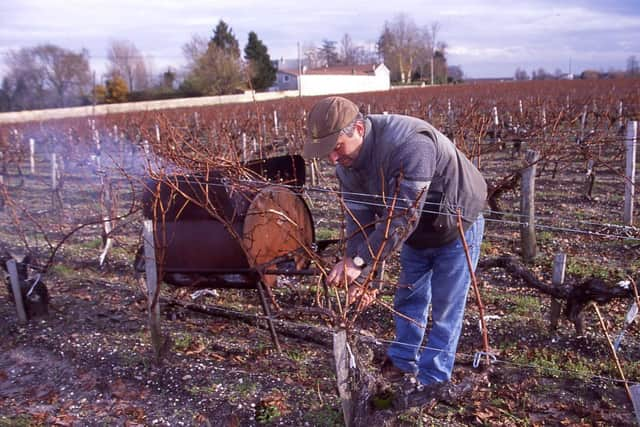
Some had their names changed which disconnected the property from its heritage, and with labels such as Golden Rabbit, that wine was never going to be seen on a Yorkshire dining table.
Having discovered that owning a château is a lot of work and definitely not the pathway to even greater wealth, the Chinese are now selling their properties, often at a loss and quite often back to French owners.
Thankfully Rabbit names have been scrapped and old names reinstated. In the meantime, vineyards have been neglected and properties abandoned.
Now ‘vine-pull’ is the latest story. Around 10% of the whole region was uprooted in recent years and The French government has just allocated 130 million Euros to continue the vine-pull in an attempt to balance production with sales.
Meanwhile some growers are becoming desperate, and some have just given up.
None of this crisis is affecting the 50 or so famous top names of the region.
Buyers clamour to buy those grand châteaux wines, either for investment or for drinking, but the wines need several years of ageing before they appear on a secondary market.
The main damage is being done in the middle to lower market, where small family properties farm 20 hectares or so.
And while the rest of the world, including Australia and South Africa have plenty of surplus wine, there is not the same urgency to pull up vines.
Could it be something to do with the varieties in Bordeaux or are we all confused by the way Bordeaux wine is sold?
Cabernet Sauvignon and Merlot are the main varieties in the region.
Cabernet Sauvignon is full of blackcurrant fruit, with a firm backbone of tannin while Merlot has softer black fruit flavours, and gentle, supple tannins.
Of course, much depends on the amount of sunshine each variety gets and the way the wine is made, with Cabernets from warmer climates generally showing bigger fruit and softer tannins.
Another component is Cabernet Franc, which oddly enough is one of the parents of Cabernet Sauvignon. This is often used in a blend, adding raspberry, herbs and a lift of aromatics to the mix.
Petit Verdot is often present, in small proportions, adding complexity colour and structure, while a whole basketful of other grapes including Portugal’s Touriga Nacional have now been approved for trials in the region.
The result of all this turmoil is that Bordeaux now represents one of the best bargains on the shelves, and the style may be not quite what you might expect.
Winemakers have realised that most wine under £12 is drunk in the same week it is bought, possibly the same day, so they don’t need to extract all that tannin and expect the purchaser to wait years for it to soften.
Good value Bordeaux is ready to drink with a mid-week supper or even just a chunk of cheese.
Here are some you should try, and with your purchase, you may help save this lovely wine region from pulling up even more vines.
Pierre Jaurant Bordeaux Rouge 2023, France, Aldi £5.49: I have tasted this over several vintages, and it is consistently good, packed with juicy black fruits, with savoury notes and supple tannins.
Des Tourelles Claret 2023, Bordeaux, France, Tesco £5.75: Claret is the old term that English buyers used for red wines from Bordeaux and somehow it seems to infer a good level of quality.
This wine is astonishing value. Mainly Merlot, so the fruit is rounded and the tannins are soft, this will happily accompany a cottage pie or a casserole.
Montagne-St-Emilion, La Reine Collection, 2023, Asda £9.47: From hills north of the UNESCO heritage town of St Emilion, this is a real find.
Mainly Merlot with just a splash of Cabernet Sauvignon and fragrant Cabernet Franc holding up the structure, the wine is plump and juicy. It will go perfectly with a roast lamb Sunday lunch.
Classics No. 33 Organic Claret 2024, Marks and Spencer £10: This is a lovely wine with a decent amount of Cabernet Sauvignon, bolstered by Merlot and a significant splash of Malbec and Cabernet Franc. If you though Malbec was just from Argentina, think again.
Malbec was growing in Bordeaux long before Argentina acquired it and it adds depth and mulberry fruit to this wine. No oak, so the fruit shines through.
M&S wines are also listed on the Ocado website so you can add them to your weekly shop and get them delivered.
Waitrose No.1 Margaux 2021, Bordeaux, Waitrose £25, down by 25% on a 3 botte deal until 3 March: Buy any 3 bottles of the No. 1 range at Waitrose and you get 25% off, which brings this wine down to £18.75.
That is quite a lot for a mid-week supper, but if you have friends coming round and want to impress, then this is the wine. 70% Merlot, so the style is soft, with 30% Cabernet Sauvignon to give it structure and texture.
Classically made with time in oak, but the result is harmonious, elegant and silky. Buy more than you need. This is one that will keep.