
Could an electricity pylon stop you getting a mortgage? What buyers need to know
Electricity pylons have divided opinion since they first appeared on the British landscape almost a century ago. Rudyard Kipling reportedly described them in The Times as a "permanent disfigurement", yet today they are an unavoidable part of modern life, with more than 90,000 pylons carrying 4,300 miles of cable across the UK.

For house hunters, a nearby pylon does not necessarily have to be a deal-breaker. Thousands of homes close to electricity infrastructure change hands every year without difficulty. However, experts say buyers should understand the potential implications before committing to a purchase, particularly when it comes to mortgages, resale and future buyer demand.
"Early engagement with a broker, before money is spent and offers accepted, is really important," says Andrew Milnes, head of the Mortgage Advice Bureau in Bingley. "Ask your broker to run the case by a few lenders. Some will even refer it to their chosen surveyor before an application is received, which can be a really useful time and money-saving process."
He also suggests asking the seller whether they already have a mortgage on the property. "If a lender has taken the risk on before, it may – subject to criteria and application – be something they are willing to continue with."
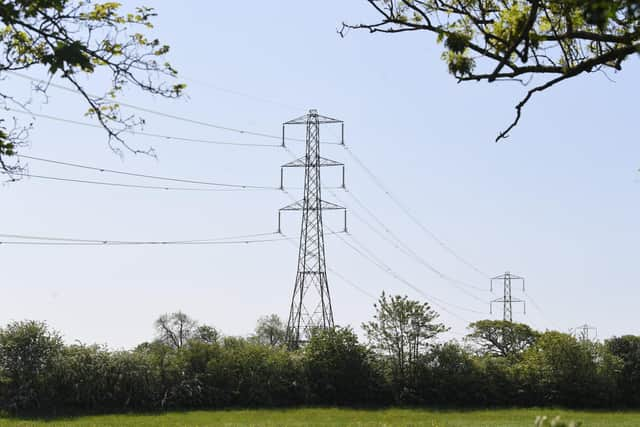

Even if a mortgage is approved today, buyers should think ahead to when they eventually come to sell. "Even if you secure a mortgage now, future buyers may face the same challenges. This can limit demand and make the property harder to sell later," says a UK Finance spokesperson.
Experts advise asking plenty of questions before putting in an offer. "It is worth asking the estate agent direct questions about the property's sales history, how long it has been on the market, and whether any previous sales fell through because of mortgage or valuation issues," says Ian Harris, president of NAEA Propertymark.
"Looking at the recent sale history of neighbouring properties can also provide a useful indication of local demand and whether similar homes have encountered any difficulties."
Andrew agrees. "How many times has the property sold in the past few years? Rightmove will help you identify this. How long has it been on the market? Ask the estate agent if any previous offers have fallen through and, if so, do they know why? More importantly, if it was due to lender concerns, which lender was it?"
The legal side of the purchase should not be overlooked either. "Your conveyancer will carry out the usual legal checks to identify whether there are any legal arrangements relating to the nearby electricity infrastructure that could affect the property," says Ian.
"In most cases, these checks are routine, and they are generally more relevant where power lines cross directly over or through a property rather than where a pylon is simply nearby."
The UK Finance spokesperson adds: "A full survey should highlight any physical risks, while a conveyancer should be able to highlight access issues for maintenance, or rights of way linked to the pylon or overhead lines."
"An independent survey and valuation can also provide reassurance about the property's condition and market value, while a local Propertymark Protected agent with knowledge of the area can offer valuable insight into demand for similar homes and how the location may influence buyer interest," says Ian.
Looking beyond moving day is equally important. "From a practical perspective, buyers should think beyond the purchase itself," says Ian. "Consider how easy the property may be to sell in future, whether the location affects its market value compared with similar homes nearby, and whether you are comfortable with any visual impact or concerns that future buyers may have.
"In slower markets, or where buyers have plenty of choice, properties close to pylons may take longer to sell simply because many buyers may naturally opt for an otherwise similar property without that feature."
Andrew says buyers should consider their exit strategy before deciding whether to proceed. "If you are having issues obtaining finance now, is this likely to be the same for future buyers when you come to sell? Whilst the price may seem attractive and reflect the proximity of the pylon, what happens when you want to dispose of the asset?"
All three experts agree that preparation is the key to avoiding unwelcome surprises later. "Ultimately, informed buyers are better placed to make confident decisions. If there are any concerns about mortgageability or future resale, it is better to understand those before exchanging contracts rather than discovering them when you come to sell," says Ian.