
Gardening: Putting heart and soil into the garden
Kids love dirt, making mud pies, encountering bugs, beetles, worms – as long as hands are washed post-play, then everything is fine.
As we get older, there’s a subtle change – soil may be tactile, but it isn’t something to be handled without wearing gloves and having had a tetanus jab.
But soil means plant, means food – food for humans, food for the animals on which so many humans rely for their daily ‘bread’.
So, it makes sense to take care of the soil, to nurture it, to ensure that it is healthy and productive and able to meet the demands placed upon it.
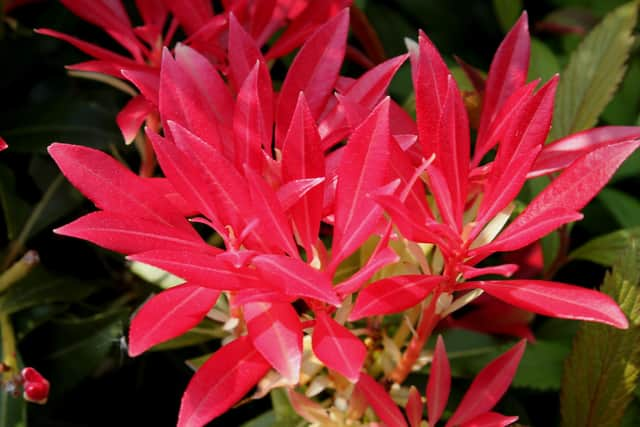

The majority of garden plants like a friable, well-drained soil enriched with plenty of organic material; a minority prefer a limey soil or a sandy soil or a boggy soil, so it’s important to find out an individual’s needs before you prepare its home.
If it’s right, don’t fix it, but if it’s too heavy, packed with clay, for example, there will be work to be done.
Add organic matter. This helps improve drainage and lighten heavy soil. Equally, digging in plenty of organic matter will improve a sandy, dry soil. Over years, this should produce a soil that will please most plants.
An acidic soil is fine for the likes of rhododendrons and pieris and camellias, but many plants prefer a neutral soil, neither too acidic or too alkaline, so adding lime and, again, well-rotted organic matter, is the best way to provide a happy home for the majority.
If the drainage is poor, pile in the well-rotted organic material, perhaps add grit to help aerate the soil and if all else fails, dig a drainage system.
Or grow plants that thrive with their roots in wet ground – the likes of Astilbe, skunk cabbage (Lysichiton), Primula florindae, the Tibetan cowslip, and hostas all prefer damp ground.
Acid
If you have an acid soil, congratulate yourself on your good fortune to be able to grow stunning camelias, astounding azaleas and perfect pieris.
Of course, no-one wants a soil so acidic that it’s a positive danger to plants, but a decent acid soil – as long as it’s not waterlogged or allows every drop of rain to drain away immediately – is something to be treasured.
Thank it by adding plenty of organic matter like home-made compost, leafmould and well-rotted manure, which will bulk it up and make it even more inviting for all those plants which can live quite happily in an acid soil.
But let’s concentrate on pieris, a hardy, evergreen stalwart for beds, borders and containers. It grows best in acidic, moderately fertile, humus-rich soil but young plants may need some protection in winter until they are established.
Sadly, uncaring gardeners, realising that pieris are pretty hardy and tolerant of many things, plant them in unsuitable soil or in unsuitable positions.
On the other hand, there are gardeners who get everything right and their pieris grow to become compact, rounded, evergreen shrubs which produce those stunning spring displays of vivid fresh foliage and those long racemes of white blooms.
Grow Pieris japonica in a sheltered, partially shaded spot in moist but well-drained, acidic soil and mulch annually with well-rotted pine needles and it could eventually become a stately specimen anything up to 12 feet in height and several feet wide.
But most people are more than happy to own a smaller version, to provide the acidic soil needed by pieris.
In this case, go to pot – fill a big container with ericaceous compost and plant your pieris in that.
To get the most out of a container-grown pieris, top-dress the pot annually, removing the top few inches of old compost and replacing them with fresh – ericaceous, of course. It’s a lot easier than re-potting the plant entirely.
Limey
Few, if any, folk moan about alkaline soils because up here in the North, lime-rich soils are rare; rare but not unknown (think chalk).
So, for once, let’s consider the minority who struggle on what are usually clay soils with a poor structure and very little goodness to encourage root growth.
Incorporating large amounts of organic matter can help, but not everyone can (or will want to) spend their time indulging in such potentially back-breaking work.
The answer is to grow plants that happy in alkaline soils – the likes of Lavendula, Dianthus, Clematis and Geranium. Shop around and you’ll find many more, but the list of trees is not quite as extensive.
Some Japanese cherries will be happy in an alkaline soil, as will a few crab apples and whitebeam, but for something a bit more unusual, there is Cercis siliquastrum, better known as the Judas tree.
It is deciduous, it’s related to the pea family, can grow to 40ft or so in height and it produces clusters of rosy-pink flowers. And it is relatively hardy - down to around -15 degC.
For something even more eye-catching, there’s the Scotch Laburnum, Laburnum alpinum, which in late spring produces sprays of fragrant, vivid yellow blooms followed by brown seedpods – the seeds may look like peas but they are poisonous.
It tolerates most soils but prefers a well-drained alkaline loam and a slightly sheltered site. A mature specimen is unlikely to grow to more than 25ft in height.