
Gardening: The plants that brighten the autumn
Japanese anemones bloom in late summer or autumn, producing simple flowers ranging from pure white to deep pink, colours that seem to complement the later months of summer.
They like good light but they can easily tolerate shade, although like most flowering plants they may not bloom quite as profusely. Having said that, the lovely A x hybrida ‘Honorine Jobert’ can, producing white flowers with a boss of golden-yellow stamens set round a green, pin-eyed centre.
For something even more stunning, there’s Anemone × hybrida ‘Whirlwind, a tall suckering perennial with large leaves and semi-double white flowers 6cm wide, with narrow, slightly rolled petals. If pink is your colour, try ‘Bowles’s Pink’ with petals of a deep-pink.
Japanese anemones are ideal for the British garden where summers tend to be a bit on the damp side and the sun usually causes few problems for plants which enjoy warmth but not weeks of unrelenting heat.
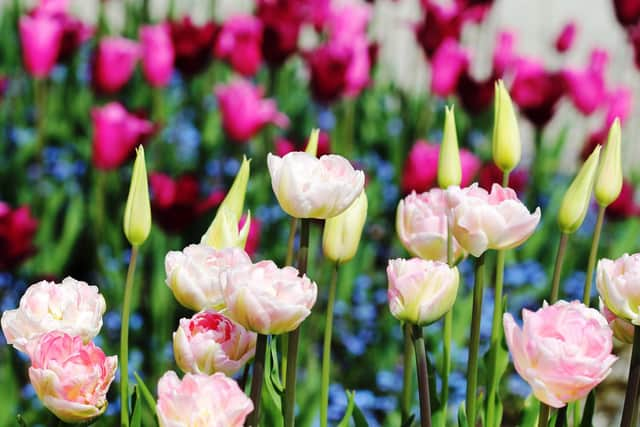

What these delicate-looking plants do demand, however, is a fertile soil which does not become waterlogged in winter. So, when planting, dig in plenty of organic matter to retain moisture but stop the soil from getting heavy.
Water them well for their first growing season (between April and August). They can take time to establish, but once they do start to grow, they can seed readily – a potential problem for gardeners who want tidy gardens and who can’t stand to see plants growing where they shouldn’t.
To propagate, Japanese anemones can be lifted and divided as they start into growth in spring. Alternatively, lift plants in late autumn or winter and remove some of the thin brown roots. Cut them into sections and lay them on compost before just covering them with a sprinkling more.
And be warned - these thread-like roots not only allow plants to spread, but they make it hard to eradicate them once they have established.
Sweet peas xxxxx
Growing sweet peas – really good sweet peas – can take a fair amount of hard work, and dedicated sweet pea growers will shortly be gearing up to sow the hard, rounded seeds.
They pop them into small pots filled with compost. And to help things get started, they’ll soak the seeds overnight to encourage them to germinate quicker.
As the seedlings emerge, they tend to become tall and leggy so to persuade them to grow stronger and bushier, nip out the top of the stem just above a set of leaves.
Next year, when the young plants are growing well and the risk of frost has passed, stick them outside to acclimatise. Give them a week or so to get used to the great outdoors and then plant them in their permanent home.
Pick the sunniest spot you can find and make sure the soil is stuffed with nutrients – sweet peas are greedy feeders and do best in rich, moist soil. Well-rotted manure is much appreciated because not only does it provide food but it also helps retain the moisture which, in turn, plays a vital part in producing quality plants and those quality flowers.
Sweet peas, being climbers, need some form of support so they can grow upwards. Many gardeners maintain that individual bamboo canes, a foot or so apart, are the best, but as long as the plants can cling on with their tendrils, anything will do.
Always ensure that the soil is moist – watering can become a daily chore, but it is well worth the effort to produce masses of sweet-smelling blooms. By removing any faded flowers or seedpods you’ll be encouraging even more blooms.
Bulbs xxxxxx
The last of the tulips shed their petals just a few months ago and it meant decision time for many gardeners - to leave the bulbs in situ or dig them up, discard the damaged and diseased and store the healthy until they can be replanted next month?
Many tulips are happy to live in the ground all year round, just as long as summer is reasonably dry and warm; many more, however, will do much better if they are lifted and stored for a few months.
These should have been dug up when the flowers had faded and left somewhere dry to allow the foliage to die naturally. Then the bulbs should have been cleaned and allowed to dry for a while longer before being stored safely before the autumn planting season.
Alternatively, just buy plump, healthy, new bulbs. It’s a lot less hassle, just a bit more expensive money-wise.
Whatever your choice gardeners tend to grow tulips that flower in April and May because they provide strong colour in the spring.
Just remember to always plant bulbs in well-drained soil - in the wild they are bulbs of cold, windswept, dry areas. Wet soil promotes fungus and disease and can rot bulbs. Help the drainage by sitting each bulb on river sand and adding organic matter.
Plant tulip bulbs deep – eight inches is about right. And water after planting. They may like a well-drained soil, but they need a good drink to get them going.