
High street, online or independent? Which estate agency model is right for you?
Selling a house has never been just about putting a key in the door and showing prospective buyers around. But in a market where buyers have more choice, mortgage costs remain a concern and the prospect of a sale is far from guaranteed, estate agents are having to work harder to persuade people to make their next move.

Some are using social media to reach buyers before a property officially comes to market. Others offer more personalised advice, while traditional agencies continue to rely on local knowledge and relationships. But the challenges for all agents remain much the same: how to manage expectations, find committed buyers and keep transactions moving.
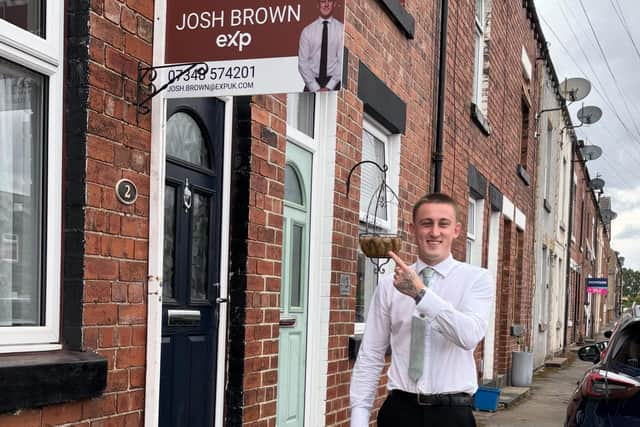
Josh Brown, a 21-year-old agent working around Tadcaster as part of self-employed agency brand eXp UK, uses Instagram and Facebook to differentiate himself from other estate agents.
At the start of the year he worked for a larger estate agency but decided to branch out on his own three months ago. He reports around half a million views across his social media channels in the past month, with content ranging from property tours and buying advice to a weekly series showcasing independent businesses in Tadcaster.

He estimates that creating content and engaging with the community accounts for about 80 per cent of his work. “My clients only deal with me, there isn’t anyone else and the majority of enquiries tend to come from social media,” he says.
"My aim is to sell the house before it even goes on the market. I did a ‘coming soon’ video on a property in Saxton, which had so many comments and they were converted straight into viewings."
At the top end of the market, Alex Goldstein offers an independent consultancy service for clients buying and selling high-end homes.
After 25 years in the industry, he established his business in 2013. His work includes sourcing and negotiating properties for buyers, often off-market, and advising sellers on presentation, value, marketing strategy and which estate agent to appoint. He remains involved throughout the sale, acting as an intermediary between the homeowner and the appointed agent.
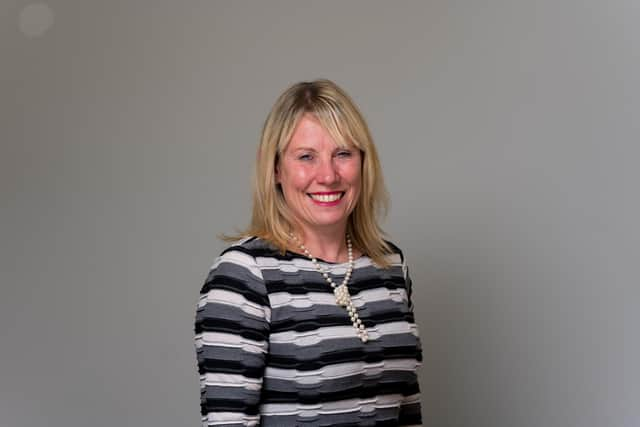
Alex believes agents need to be more proactive in contacting existing buyers rather than relying on portal enquiries. “Clients demand experienced property professionals and ongoing communication,” he says.
"A buying client of mine had sold his business and had gone from zero to hero overnight. He was in a fortunate position to be able to significantly upsize his family home, but had done none of the intermediate moves.
"Being understandably unsure of the process at this level, he needed several phone calls every day for six days a week over three months given the complexity of the purchase.
“In the final stages and to ensure the deal got over the line, myself and the selling agent had to work at 10pm on a Friday night on the file. This is where experience, communication and time on both sides came into their own.”
Meanwhile, Simon Blyth, an estate agent with branches across West and South Yorkshire, believes the traditional model is flexible enough to meet the needs of different sellers, provided agents listen to what their clients want rather than dictate how a property should be marketed.
The business offers everything from conventional sales and best and final bids to auctions and discreet off-market transactions.
Simon also believes there is still a place for traditional mailing lists, matching properties with registered buyers before they appear online. “We introduce properties to people on the mailing list before anybody else,” he says. “It gets people ringing us to say, ‘What have you got coming on?’ Rather than sitting back and waiting for Rightmove.”
He takes a similarly flexible approach to social media, using it where clients want exposure but recognising that some prefer privacy. “I think the most important quality for an estate agent is listening to what the client requires,” he says.

"A lot of the traditional estate agency model works and that’s why we do what we do. It’s about people rather than houses.”
Samantha Cockburn, Yorkshire regional executive for the National Association of Estate Agents Propertymark, says an estate agent’s role is increasingly consultative. “It is about providing honest feedback, keeping communication open and helping both parties understand their options when circumstances change,” she says.
“The property market now encompasses traditional high street agencies, online and hybrid businesses, independent agents and self-employed consultants. Different models can suit different clients, but sellers should understand what is included in the fee, who will manage their sale and what support they can expect if problems arise.”
The challenge for agents in 2026 is to demonstrate the value of their service, whether through online reach, specialist advice or established local relationships. In a market where buyers have reasons to hesitate, winning an instruction is only the beginning. Getting the price right, finding a buyer who can proceed and keeping the transaction on track remain the measures that count.