
Residential vs holiday park homes: What every buyer needs to know
Selling a conventional bricks and mortar house to escape to the country and enjoy a new way of life is a long-held dream for many.
It is why licensed residential park homes have become so popular. You can live in them all year round and they come with multiple benefits if managed well.
Leaving your secure, gated residential park home to go on holiday or visit family and friends for a week or considerably longer is less of a worry compared to leaving a bricks and mortar house unoccupied.
Another plus is that you have the chance to be part of a community because it can be easier to make friends on a residential park which is particularly helpful for those who live alone.
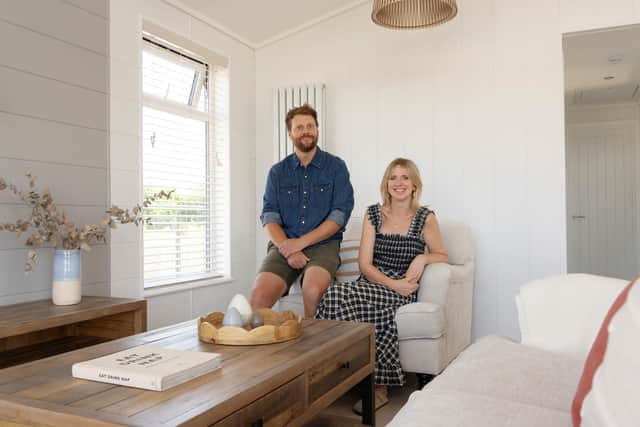

If you want to sell your home you do not have to sell it back to the park, you can sell it on the open market with 10 per cent of the sale proceeds going to the site owner.
Another benefit is that you can leave your residential park home in your will and there should be no inheritance tax to pay on it as the properties are usually moveable because they are on wheels and are classed as a belonging.
Regarding costs, you own the property you buy but you lease the land that it is on so there are pitch fees along with council tax bills and utility bills to consider.
However, if you are seriously thinking of buying a residential park home there are buyer beware warnings thanks to rogue traders who own holiday parks. It is very easy to be sucked in by their promises and lies.
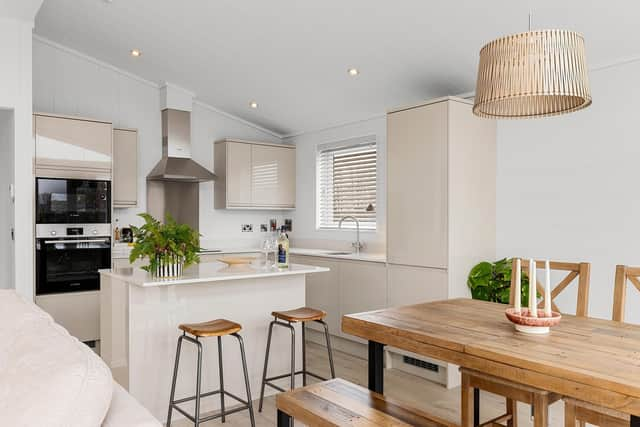
The Smith family, owners of Chestnut Farm, near York, are acutely aware of this. They have a fully licensed residential park and have witnessed would-be residential park home buyers keen to walk into the lion’s den after being advised not to, simply because they are seduced by what appears to be the cheaper option of a holiday park.
Marcus Smith says: “The unfortunate consequence is that it's beginning to tarnish the reputation of the whole park home industry, including fully compliant residential parks like ours that operate within strict government legislation and provide residents with important legal protections.
“Our homeowners can live here all year round. They can register their residential home as their permanent address, pay council tax and benefit from the protections of the Mobile Homes Act.
“They also receive a park home agreement and pitch fee reviews are linked to the Consumer Prices Index giving residents security and transparency.
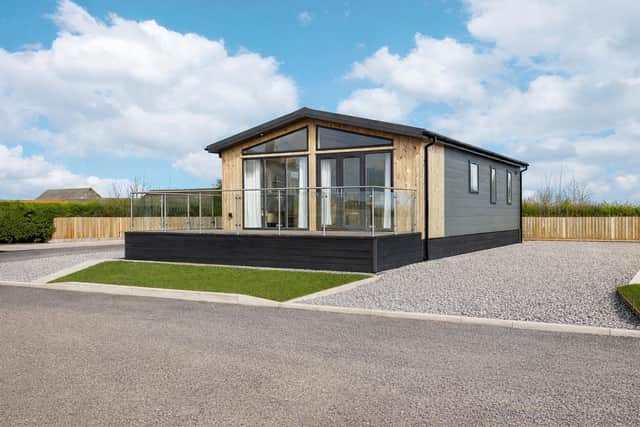
“Sadly, there is confusion around park homes and unfortunately many people do not realise that there is a huge legal difference between residential park homes and holiday park homes.”
He adds: “The problem is that some holiday park homes are marketed in a way that can lead buyers to believe they are purchasing a permanent home at a much lower price. In reality, holiday park homes cannot legally be used as someone's main residence and they do not come with the same legal protections.
“Sadly, that can leave people facing unexpected restrictions, significant pitch fee increases with no ability to challenge them or difficulties when they come to sell.”
Dave Wall came close to buying a property on a holiday park site after being informed it could be a permanent dwelling where he and his wife could live year round. Fortunately he was not convinced by the sales patter which included the salesperson telling him that he should give the address of someone else for paying council tax.
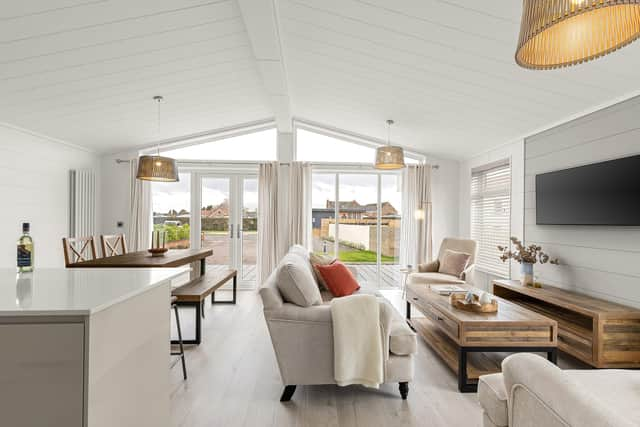
What they didn’t tell him was if he lived on the holiday park where he would pay no council tax, he would not be able to register at a doctors surgery and he would not be able to vote. They also failed to tell him that the annual site fee hikes could be staggeringly high and he wouldn’t be able to challenge them.
If he wanted to sell his holiday park home the only realistic option would be to sell to the site owners, which means they could set the price, which could’ve been as low as 20 per cent of the resale value.
Dave’s not daft, which is why he now lives at Chestnut Farm in a residential park home and he says: “It’s a great place to live and you own the property so if you need to sell it on you can do it via the park or on the open market.”
Marcus adds: “Buying a park home is a huge financial commitment and I don't think enough people know what questions they should be asking before they buy.”
He adds: “We're seeing more and more prospective buyers coming to view our homes who simply don't understand the difference between a holiday park and a residential park and it's easy to see how people could unknowingly make a very costly mistake.”
He suggests that would-be buyers check for the following when contemplating buying a residential park home: Is the park licensed for residential use? Can you legally live there 12 months of the year? Do you pay council tax? Will you receive a written statement? Are pitch fee reviews linked to consumer price index? Is your post delivered to your home or to a reception and what legal protections should buyers expect?