
What modern Britain’s streets reveal about our homes - Robin and Patricia Silver
Take a walk down just about every street these days and you’ll see changes taking place that affect our homes.
The first thing you’re likely to notice is the number of homes covered in scaffolding as extensions, loft conversions and other building works are undertaken. There’s more off street parking being created with the necessary dropped kerbs housing the additional 12 million cars on our roads since 2000.
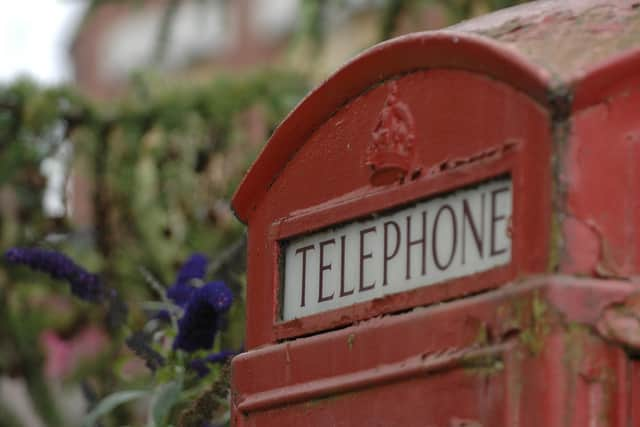
You might see a red telephone box but chances are this has been reinvented as a mini library, book or toy exchange, art gallery or defibrillator home.
Next, you’ll catch sight of new makes of cars, especially electric vehicles. You’ll probably notice that cars are indeed getting bigger: Minis aren’t mini any more and widths have grown by 5.5 cm on average so easily fill most of a standard 180 cm car park bay. You won’t be surprised to see an EV charging point with a long sinewy snake cable slithering across a driveway.

There are more CCTV cameras and security lighting systems as well as front door cameras linked to mobile phones so you can decide whether or not to let in friends or family depending on your mood.
Chances are there’ll be the odd Amazon or other online purchase parcel propped up against front doors and a house name or number etched into a square glass plate sometimes with a tiny solar panel to give a hint of illumination at night after a particularly sunny day.
With more and more digital streaming, satellite dishes have often become redundant and are either going rusty, sometimes flopping about dangerously with loose cables flapping about in the breeze.
At ground level, there are more air source pumps - just over a quarter of a million currently installed but growing at a rate of over 100,000 each year. With the longer and hotter summers, you won’t be surprised to see air conditioning units. There are now estimated to be over four million in the UK.
Becoming rarer are solid fuel coal fires, which have halved over the past 20 years, although the recent increases in energy prices has seen a slightly increased trend in wood burner installations with their distinctive flues. Apparently 10 per cent of homes have a wood burner but many are rarely or never used and their eco credentials are very much under scrutiny.
Houses may have increased their outside lighting but streets have not. Half of England’s local councils have cut the hours that street lighting operates to save money.
York, for example, dims its LED lights between midnight and 6am whilst other authorities turn them off completely between midnight and 5am. There are, however, challenges that this reduces safety for people especially those who are out late on their own.
You won’t see any gas lamps as there are only 1,300 left now and they’re all in London preserved by English Heritage in important historical and tourist areas. So, in our region, the 207 years since Leeds became the first place to introduce gas lights is now an era of the past.
The question remains, however, what will be the next change? It could be the end of the fashion for exterior white rendering and anthracite window frames after a good run of over 20 years. It’s probably already happening so keep a close eye on a road near you and you’ll be well ahead of the game.
Robin and Patricia Silver are founders of The Home at Salts Mill