
Why this summer's stop-start weather could be ruining your lawn – and how to protect it
Homeowners are being warned that this summer’s rollercoaster weather of blistering heatwaves and damp, cool spells could be quietly destroying gardens up and down the country.

Jonathan Davis, grass expert at lawncare specialists Lawnsmith, said that the heat isn’t all to blame, but rather the stop-start nature of recent forecasts is what’s causing lawns to become patchy, brown, and struggling to bounce back.
Over the last few weeks, the UK has experienced significant temperature fluctuations, driven by a shifting climate and fluctuating "heat domes" – static areas of high pressure that trap and bake warm air.
After a dry spring, early June brought unsettled weather and rainfall.
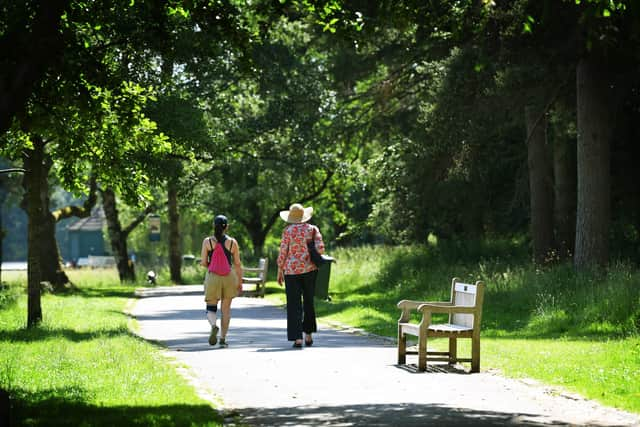

Temperatures rose as the month continued, with the Met Office confirming the UK's hottest June day on record, with 37.7C in Lingwood, Norfolk on June 26.
“People assume one heatwave is the problem, but it's actually the whip-back from hot to cool and back to hot again that really does the damage,” says Jonathan.
“Grass barely has time to recover before it's hit with stress again.”
So what is actually happening to your lawn during these wild weather swings - and what can you do to protect it?
When temperatures first spike, grass goes into self-preservation mode, often turning brown as it conserves moisture.
While it may be tempting to grab the hose and start watering little and often, Jonathan warns this could actually be counterintuitive.
He said: “Light, frequent watering encourages weak, shallow roots. You're better off giving it a proper soak early in the morning or evening.
“Mowing matters too. But be sure to keep the blades high as cutting too short during a hot spell can finish off grass that's already under pressure.”
When the temperature drops and rain returns, lawns often spring back to life. However, Jonathan warns against jumping back into extensive gardening, as doing so could leave your garden further damaged.
He says: “Everyone rushes to mow their lawns or chuck feed down the second it looks green again, but the roots are still recovering. You need to ease it back in gently.”
This cooler period is also prime time for fungal problems to emerge, like red thread, since damp conditions combined with already-weakened grass create the perfect storm for disease.
However, this time can be used to repair parts of your lawn that need a bit of TLC.
“It's the ideal moment for repair work such as overseeding bald patches, light feeding and aerating compacted soil from the dry spell,” said Jonathan.
The second heatwave is when lawns are at their most vulnerable.
Jonathan says: “Root reserves built up over the year are already depleted from the first heatwave, meaning grass simply can't cope the same way twice.
“At this stage, I advise people to go gentler than before. Less mowing, careful watering, and keeping foot traffic off stressed areas wherever possible.”
With forecasters predicting more of these heatwave-cooldown-heatwave patterns becoming the norm for British summers, Jonathan says the best next step is to plan for these weather events year-round.
He adds: “Your lawns need to become resilient throughout the year.
“This can look like deeper, less frequent watering, healthier soil, and choosing tougher grass seed mixes built to handle this kind of unpredictable weather.