
Yorkshire landmarks in list of the UK’s most beautiful brutalist buildings

Two landmarks in Yorkshire feature in a list of Britain’s top brutalist buildings.
Sheffield’s Park Hill is in in eighth place in a list of the most beautiful brutalist buildings in the UK, while Leeds's Roger Stevens Building is in 13th position.
The list is compiled by Making Moves real estate consultancy.
Park Hill is a housing estate in Sheffield built between 1957 and 1961.
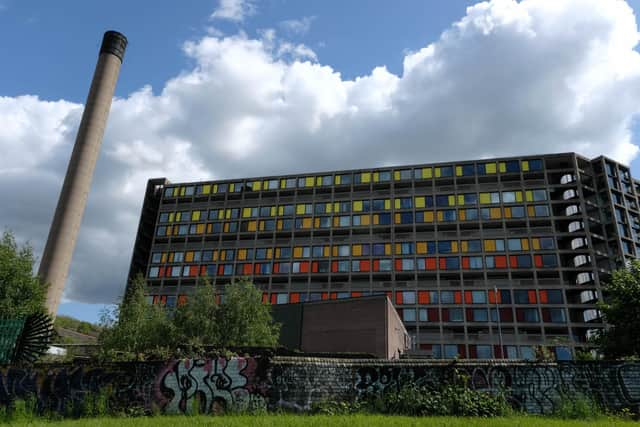

In 1998, it was given Grade II*-listed building status. Following a period of decline, the estate is being renovated in to a mostly private mixed-tenure estate made up of homes for market rent, private sale, shared ownership, student housing and workspaces.
The Roger Stevens Building is a key example of post-war university architecture, reflecting the practical and forward-looking design approach of the 1960s.
Built for the University of Leeds, it represents a period of rapid expansion in higher education, where functionality and scale were prioritised.
A Making Moves spokesman said: “Though opinions on the building have evolved over time, it remains an important part of the wider Brutalist conversation, illustrating the ambition and intent behind campus design in this era, but which other brutalist buildings make the rankings? To uncover this, Making Moves set out to rank the UK’s most beautiful brutalist buildings.
"To create the ranking, a score was calculated using factors such as architecture awards, TripAdvisor ratings, the number of Instagram hashtags, and Google search volume.”
In top place is The Barbican, London.
First opened in 1982, The Barbican is cited as one of the UK’s architectural treasures with its rich history and boasts over 50 awards for architecture, including the RIBA International Award – the highest accolade in the architecture world.
In second place is Hayward Gallery, London. First opened in 1968, the gallery showcases world-renowned contemporary art, installations and a touring gallery.
Known as one of the UK’s most complex modernist buildings, Hayward Gallery was built under the leadership of Norman Engleback and features board-marked concrete surfaces, as well as connected walkways, staircases and roof terraces.