
River Don: 'This Yorkshire river was pretty much dead in the 1980s - now it's one of the best in the country'
For the last three years, a group of volunteers has helped restore and monitor areas of the River Don. Catherine Scott spoke to Don Valley River Trust leader Alex Liversidge.

There was a time when the River Don was a hive of activity. It played a key role in the development of the region. But due to a number of factors including a decline in industry and the state of the river, people living nearby became disconnected with it.
The River Don flows for a distance of approximately 114km, although its tributaries add a further 300km to its overall length as it flows towards the Humber Estuary.
The Don can be divided into sections by the different types of structures built to restrict its passage. The upper reaches, and those of several of its tributaries, are defined by dams which were built to provide a supply of water to the public.

The middle section contains many weirs, which were built to supply mills, foundries and cutlers’ wheels with water power. The lower section contains weirs and locks, designed to maintain water levels for the navigation of boats.
The impact resulting from these physical changes were extremely destructive to the life of the river but it was the changes in water quality which finally condemned the river to a period of almost total ecological destruction.
By 1850 chemical pollution began to have serious effects on the River Don and by the turn of the century, the river had been reduced to little more than a foul smelling, lifeless sewer – much of it due to the massive explosion in population.
These abominable conditions were to persist throughout most of the 20th Century and managed to earn the Don, the unenviable reputation for being one of the most polluted rivers in Europe.
In the last few decades there has been a vast improvement to the river but there is still lots of work to be done. In 2008 The Don Catchment Rivers Trust was established to help protect and restore rivers in the River Don catchment area.
“The Don has it’s problems like any river. But it’s story is a more positive one than some other rivers.
"Even in the eighties the Don was pretty much ecologically dead and now it has gone to one of the best fisheries in the country and a recent study found that salmon has returned to the Don for the firs time in 200 years,” says Alex Liversidge, Trust Development Manager.
“It is definitely a story of recovery and it is something we need to celebrate.”
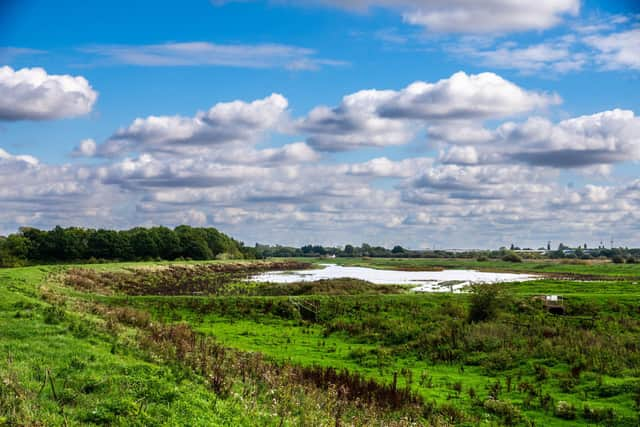
The Don Catchment River Trust, has two sites in Doncaster at Fishlake and Sprotbrough which form the 'All Hands on the Don' a three-year project with the aim of helping restore some of the habitats which once were common land and offering more space for wildlife. Alex joined the trust in June 2022 to assist with the development of All Hands on the Don, helping to build connections to local communities and groups. He subsequently became the Project Officer, working with the team to deliver engagement activities and habitat works. A Doncaster local himself it is clear Alex very passionate about the River Don catchment and the benefits that it can bring to local communities.
"The project was about getting people to care for our rivers which in turn creates opportunities for them to connect and contribute and to make a difference in their community,” says Alex.
“The lower River Don is one of the defining landscapes in that area – it’s shaped the area’s history, its economy and it’s left behind a rich natural and cultural heritage but a lot of the places along the river are quite disconnected from it. People have turned their back on the river so our job was to get them connected with it again.”
But, he says, one of the problems is that a lot of people don’t have the opportunity engage with the river and one of the trust’s jobs is to improve access to the river, celebrate its heritage, and foster understanding of the river and its issues
“Our rivers are a valuable asset which tell the story of our culture and heritage. They are important for people, wildlife and the local economy, and form an integral part of our landscape.”
Following consultation they realised there was a strong appetite among local people to re-engage with the river and so applied to the Heritage Lottery Fund for the three year 'All Hands on the Don' project. “It was overwhelmingly a community engagement project but also some habitat creation and restoration at the two particular sites, but also people told us about their memories of the Don when it was like a ‘rainbow’ due to all the pollution, It isn’t like that now.”
One of the project sites was at the Great Ings floodplain at Fishlake in Doncaster where in 2012 the Environment Agency had done some work to restore the area and make it better for attracting wetland species.
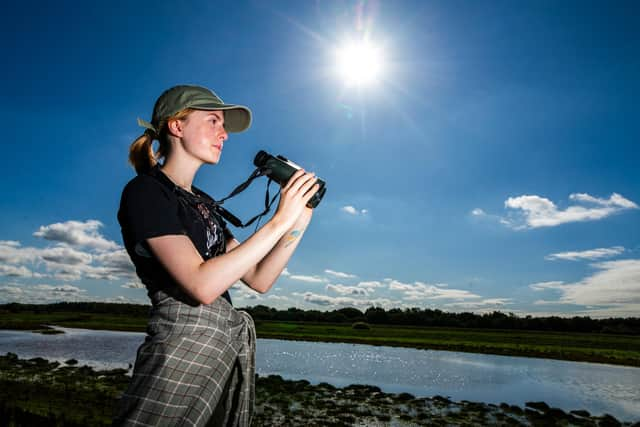
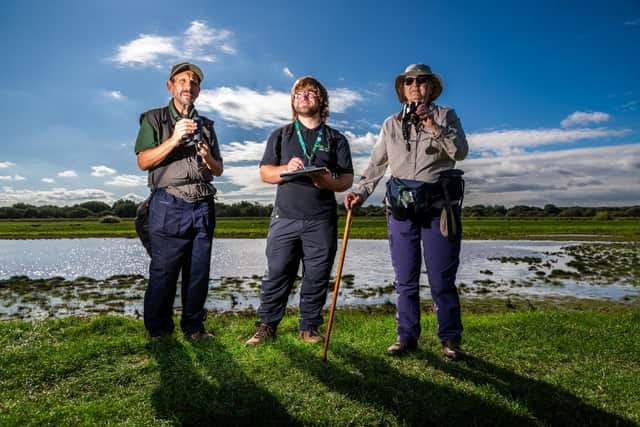
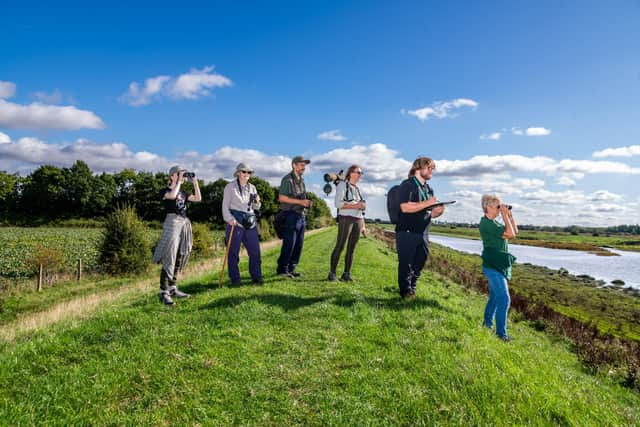
"It wasn’t functioning correctly so we went and did some work to try to restore that and then carried out and wetland bird survey – before and after the work. We took some of our amazing volunteers out and surveyed what wetland birds there are there. They are particularly tricky to identify but our citizen scientist volunteers are so knowledgeable about birds. We are currently in the process of going through the after stage.” The project saw more than 240 volunteers across the different activities who gave over 535 hours of their time. “That included a lot of young people. We had 269 young people who actively got involved. It was clear that a lot of young people were really engaged and want to do what we do,” says Alex. "Although we are still assessing the project it was definitely a resounding success. We will continue to monitor those sites in the long term. The main thing the project has taught us is how to do community engagement. What we need to do now is work on longer term solutions across the entire catchment of the River Don and we need more data to do that and so we need more volunteers to give us information about their stetch of rive so we know where to target our resources.”
The Don Catchment Rivers Trust is always in need of volunteers and supporters. For more information visit https://dcrt.org.uk