
How to make the most of a trip to Brussels from London

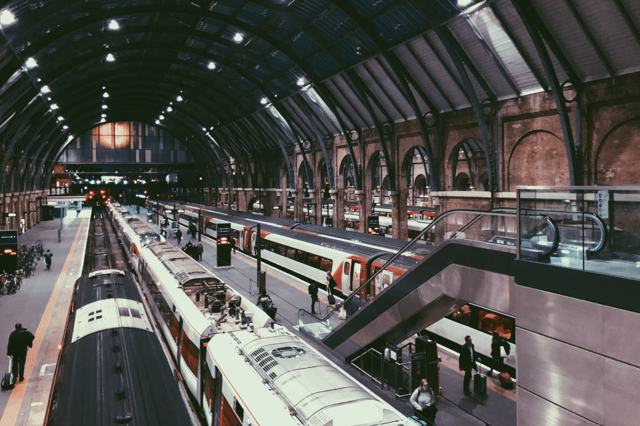

Tram and metro connections in Brussels allow tourists to explore the city seamlessly.
Brussels is one of the most popular European tourist destinations, with more than 9.6 million overnight stays in 2025 alone. Are you planning a similar trip in the near future, and will you be travelling by train from London? If so, it is always a good idea to quickly examine a handful of practical tips.
Some of us lead very busy lives, and as a result, it can be relatively easy to delay confirming reservations until the last minute. By booking in advance, you will enjoy attractive fares. Save on the cost of your trip by staying flexible on your departure date and time. If you plan on travelling from London to Brussels by train, remember that the early bird does indeed get the worm!
Once you arrive at Brussels-Midi, getting your bearings takes no time at all and convenient tram and metro connections allow for seamless exploration.
Navigating the central pentagon
The city is built tight. The middle of town fits inside a broad pentagon road layout, meaning you can walk end-to-end in twenty-five minutes without touching the metro.
The Grand-Place is where everyone goes first, and for good reason. It's a paved gap in the city, surrounded by tall 1600s guildhouses with gold-leaf trim. At midday, it can get jammed with tour groups, so if you want to enjoy an experience at your own pace, visit bright and early or late at night.
Mont des Arts and the Cultural District
Ten minutes uphill, the landscape takes a noticeable turn at Mont des Arts. The terraced gardens mark the boundary between the lower commercial streets and the upper cultural district. Standing on the upper landing gives you a clear line of sight over the city’s roofline, while placing you directly at the doors of the Royal Museums of Fine Arts, where you can spend hours examining Flemish Master canvases or the collection at the René Magritte Museum.
If you time a trip for late January, the area expands even further as the annual Brussels Fine Arts Fair (BRAFA) takes over nearby venues for one of Europe's major art weekends.
Food on the move
The city’s food culture operates at the street level, so you rarely need to stop and wait for a full restaurant service during the day. For a Belgian delicacy, you can walk into the glass arcade of Galeries Royales Saint-Hubert and buy a couple of individual pralines at the Neuhaus counter. You can stay on theme with a lunch that includes a paper cone of double-fried chips topped with mayo from a street-side friterie. When evening comes, older dark-wood taverns tucked into side streets serve local draught ales and sour lambics without the heavy markup of the tourist bars on the main square.
Les Marolles and the Outer Ring
If you leave the central square and head south, the polished feel of the city drops off quickly. The streets leading into Les Marolles slope down towards the old industrial canal, where you trade chocolate boutiques for second-hand bookshops and neighbourhood pubs. At the heart of it sits Place du Jeu de Balle, home of the Old Market. Since 1873, sellers have set up shop daily with tarpaulins and tables full of second-hand treasures, creating a daily flea market that draws more locals than tourists.
Further out, the metro runs north to the Atomium. Built for the 1958 World’s Fair, it looks like a massive silver science experiment sitting in a park. Escalators run inside the steel tubes, taking you up into the top sphere for a view across the northern suburbs.
The city attracts huge numbers for good reason, but it works best when you keep things simple. Once the travel details are sorted, you get a quick European break that involves zero hassle from the moment you leave London.