
'Awful April' price rises may be less terrible this year: Helen Morrissey
Every April, people brace themselves for an onslaught of price rises. It’s the reason it has become known as ‘Awful April’, as everything from council tax to water bills and broadband charges get more expensive. However, there are a few signs that April could be less terrible this year – and some people could actually end up better off.
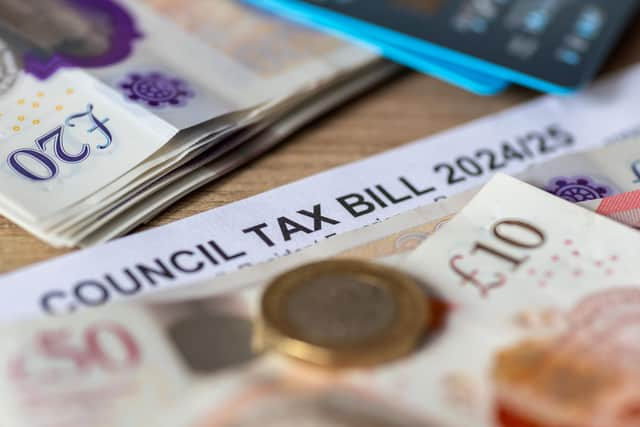
There will still be some nasty price hikes. Council tax bills will rise up to 5% at the start of April – and possibly more for particularly cash-strapped councils. The actual rise that hits your household will depend on your area and tax band, but it’s likely to mean bills are more than £100 higher in the coming year. Meanwhile, water bills are expected to rise an average of £33 – and Yorkshire Water is putting them up £34. It’s less dramatic than last year’s massive hike, but it will be a disappointment for those who felt they’d suffered enough.
There are a number of smaller things that will increase with inflation including £5 on standard car tax and a similar sum on the TV licence fee. Plus, air passenger duty will rise fractionally faster than inflation. Your mobile and broadband bills are also likely to be hiked. If you started your contract since January last year, they can’t impose inflation-linked increases mid-contract without any forewarning. Instead, they had to tell you about annual price rises when you signed up – which tend to be around £3 for broadband and £1 for mobile phones. If you’re on an older contract, sadly you’re saddled with the inflation-linked rise until it ends.
The new tax year will also usher in some unwelcome changes on 6 April. The dividend tax rate will rise two percentage points for basic and higher rate taxpayers, which is a horrible extra cost for people who own their own business and pay themselves as least partly in dividends. It will also hit anyone with investments outside an ISA.

For some people, the most painful tax of all will strike – with a cut to agricultural property relief and business property relief on inheritance tax. From the start of the new tax year, when someone dies, after the first £2.5 million of business and agricultural assets, inheritance tax will apply at 20%. The changes will also affect qualifying AIM shares, which currently fall out of your estate once you have held them for at least two years and could face inheritance tax at 20% instead. For those investors with large and diverse portfolios who can accommodate more risk, this isn’t the only potential blow. The new tax year will also introduce rules that cut the income tax relief on Venture Capital Trusts from 30% to 20%.
And of course, there will be a change that is notable by its absence: the income tax thresholds won’t move. It means every pay rise will push more people over the threshold into paying more tax at higher rates. The impact this has had since the thresholds were frozen in 2021/22 is striking – with 3 million more basic rate taxpayers, 2.65 million more higher rate taxpayers and 710,000 more additional rate taxpayers. At the same time, rising state pensions have pushed many of those with smaller workplace or personal pensions over the threshold, so that now there are 8.7m taxpayers over state pension age – up 29% since the freeze. And the pain isn’t over yet, because the thresholds aren’t going to move until 2031.
If you’re feeling gloom start to set in, it’s definitely time for the good news, because after the Budget announced changes to the way the energy price cap is calculated, forecasters went from predicting a price rise to expecting a cut of about £138 a year for an average user on the price cap. For some people this will cancel out the pain of higher council tax, water bills, car tax and the TV licence combined.
April also ushers in a handful of changes that will be incredibly positive for some people. Most notably, the two-child benefit cap will be axed on 1 April. It will mean more than half a million families will see their benefits rise by an average of £5,310 a year. On top of that, Jobseekers' Allowance, Housing Benefit, Universal Credit and other benefits will rise on 1 April – although for Universal Credit, the basic standard allowance will rise, while additional health payments will fall.
Those on lower earnings are in for a pay rise, because the minimum wage will rise faster than inflation: the National Living Wage will increase by 4.1% to £12.71 per hour. The government is also gradually equalising the various age-related minimum wages, so the rises for younger people will be higher. The National Minimum Wage for 18–20-year-olds will increase by 8.5% to £10.85 per hour and for 16-17-year-olds and apprentices by 6.0% to £8.00 per hour. There has been a great deal of talk about the additional costs for employers, but for young people making a start in their adult life, this is an important step towards financial independence.
Plus, the triple lock means that the state pension will rise in April. The new flat rate state pension will rise 4.8% in line with wage data. This means someone on a full new state pension will see their weekly payment rise to £241.30, while someone on the full basic state pension will see it boosted to £184.90 per week. Then there are smaller financial upsides to look forward to as well, including the fact that NHS prescription charges will be frozen for the second year running – remaining at £9.90 per item.
Whether April leaves you better or worse off will depend hugely on your circumstances, but if you’re counting the cost, there are still things you can do to put yourself in a better position. It’s worth shopping around for better deals on bills. If you’re on the standard tariff linked to the energy price cap, your costs may be falling, but you’re still paying more than you have to, so now is the time to shop around for a cheaper deal. It’s also worth considering whether you can cut your tax bill. This could mean taking advantage of the tax relief on pensions, moving investments and savings into an ISA, or planning with your partner so you can both take advantage of tax-saving opportunities.
With some legwork, there’s a decent chance you could turn Awful April around – and while Amazing April might be a bit of an ask, there’s always the opportunity for an Adequate one.
Social Media Savers
The search for better savings has brought social media into the fold. When HL asked people where they looked for tips on the best place to hold their savings 9% of them mentioned experts on social media, rising to 12% of savers in Yorkshire and the Humber, and 21% of Generation Z.
However, it’s worth taking care. Social media is a brilliant place to pick up short, simple messages that can get you on the right track, but there are no guarantees they’re right. It’s why it can be a great idea to keep an eye out on social media, but follow it by considering the kinds of accounts that are right for you – and searching for the best rates from online banks and savings platforms. It’s nowhere near as fun as watching social media, but it won’t take you much longer and can be far more rewarding – and safer.