
Bitterns: First ever breeding success for rare bird at Yorkshire nature reserve

A nature reserve in East Yorkshire has had its first ever breeding success with the UK’s loudest bird.
A juvenile bittern was spotted earlier this week at North Cave Wetlands near Hull – and as nests can have up to six eggs, Yorkshire Wildlife Trust is hoping that over the next week one or two more youngsters will emerge.
Not long ago the elusive birds, which are known for their “booming” call were on the verge of extinction.
In 1997, only 11 male bitterns were recorded in the UK.
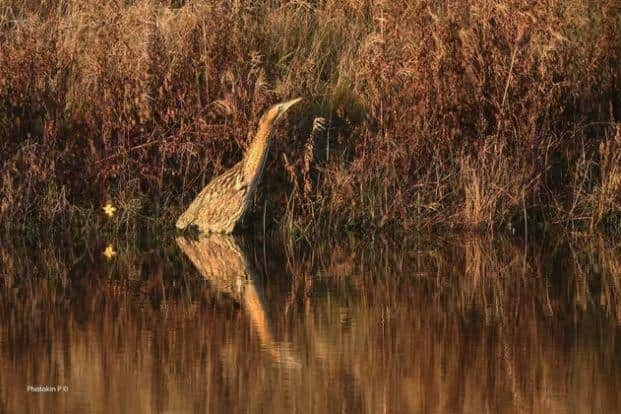

But in recent years they have been having something of a comeback. There are now bitterns across the North from Leighton Moss near Morecambe to the Humber.
Male birds make their presence felt in Spring making rumbling booms over more than 100 decibels in volume to attract a mate.
The call is one of the lowest pitched produced by any bird and is easily imitated by blowing over the rim of a bottle. By recording each call it is possible to tell individual males apart.
The Trust was also delighted to find a clutch of pochard chicks on the reserve, which started out life as a quarry.
Common pochard, a medium-sized diving duck, are on the IUCN red list of threatened species with only around 80 pairs breeding in Yorkshire.
Yorkshire Wildlife Trust’s reserve manager Tony Martin said: “We have had overwintering bitterns at North Cave Wetlands for a number of years, but bitterns need two healthy reedbed areas to breed successfully, as they use one for nesting and another for feeding.
"These sightings are the latest success at one of our flagship reserves, and it’s heartening to see our careful management of this wild spaces is having huge benefits for Yorkshire’s wildlife.”
Quarrying firm Breedon works with YWT so that when work finishes the journey from quarry to wetland can begin.
The partnership has seen volunteers help plant out 30,000 reed plugs to create the mature reedbeds which bitterns prefer.
The reserve has gradually expanded from its original 40 hectare site in 2001 to its current size of 140 hectares.