
'Endemic levels' of drug use in prisons is endangering lives, MPs say
There is a dangerous culture of acceptance that must be broken over the “endemic levels” of drugs in prisons that endanger lives, a committee of MPs has warned.

Some 39 per cent of prisoners find it easy to get drugs – and the use and trade of drugs are crippling the HM Prisons and Probation Service’s (HMPPS) ability to keep control and rehabilitate offenders, according to the Justice Committee.
A report published today warned of the “unacceptable” human cost from the crisis, with 16 per cent of 833 deaths investigated between December 2022 to 2024 being determined as drugs-related by the prisons ombudsman.
MPs heard that inmates in debt were being forced to test new drugs, sometimes for the entertainment of other prisoners, while staff becoming desensitised to daily suffering was a sign of a “failed system”.
The report found 11 per cent of men and 19 per cent of women said they had developed a problem with drugs, alcohol or non-prescription medication since arriving in prison.
The findings come just days after a shocking probe into HMP Leeds, in Armley, found it has highest rate of prisoner suicides of all UK jails, which inspectors say is fuelled by the rise in drug use.
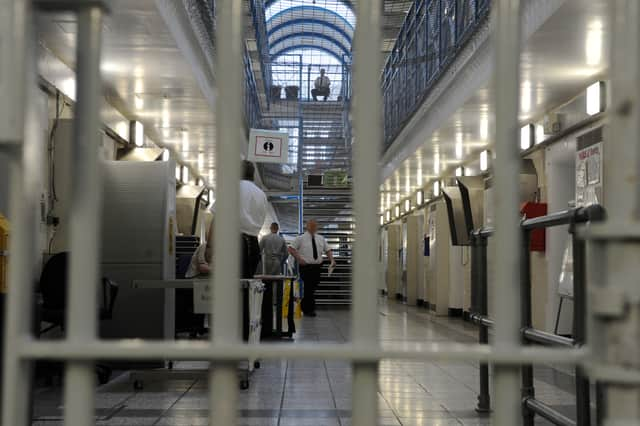

The HM Inspectorate of Prisons said there had been 16 suicides at the prison between 2022 and the latest inspection in July.
The report found that 78 per cent of prisoners live in overcrowded cells designed for one, while one in five inmates have developed a drug or alcohol problem while inside.
Chief inspector of prisons Charlie Taylor said: "Leeds has to cope with a high churn of prisoners with complex and challenging needs.
"Leaders must make sure that the needs of the most vulnerable prisoners are placed at the heart of this work to end the unacceptable numbers of suicides at the prison."
In today’s report, MPs raised concerns over a lack of resources for prison governors to tackle the drug “epidemic” because of the additional pressure of a prison population crisis and in some cases, severe overcrowding.
Chairman of the committee, Andy Slaughter, said: “The committee’s findings during this inquiry were sobering: put simply the drugs crisis across the prison system has reached ‘endemic’ levels, fostering a ‘dangerous culture of acceptance that must be broken’.
“Fuelled by inflated profits, the supply of drugs by organised criminal gangs into prisons is a constant pressure.
“This is compounded by failure to address and reduce the underlying demand for drugs and combat the alarming rise in the use of sophisticated drone technology.”
The Government announced a £900,000 cash boost in July to tackle drones bringing drugs and weapons into prisons, on top of £40m already used to boost security such as by reinforcing windows and putting up netting.
Meanwhile MPs heard once a prisoner is exposed to the “menu of drugs” available in jails, the pressure of the established culture made it “exceptionally difficult to resist drug use”.
They also found drug prices selling for up to 100 times their street value in the prison drugs market dominated by organised crime groups.
Strong synthetic opioids such as Nitazenes were highlighted as a “volatile threat” in the prison drugs market, which has a high threat of overdose and is already linked to deaths at HMP Parc, in Wales, in 2024.
When life is difficult, Samaritans are here – day or night, 365 days a year. You can call them for free on 116 123.