
Organised gangs behind sharp rise in QR code scams in Yorkshire
Organised criminal gangs are behind a sharp rise in QR code scams in Yorkshire, experts have said.
Since 2019, thousands of people have been tricked by fraudsters using QR codes to steal money and personal information.
Organised gangs are often behind the fast-spreading crime, according to Katherine Hart, lead officer at the Chartered Trading Standards Institute.
She said so-called ‘quishing’ is significantly underreported and is presenting a “huge challenge” to authorities globally.
“We’ve seen huge amounts of money lost this way, people have seen their life savings gone and that money is going to finance criminals,” Ms Hart added.
“At the end of the day they do tend to be run by serious and organised crime groups.
“They are so sophisticated and this is massive now, it’s a global issue.”

Action Fraud, the national fraud reporting centre, received 1,386 reports of people being targeted last year, compared with just 2019.
Across Yorkshire over that time, research by the BBC Shared Data Unit found the number of people caught up in quishing scams rose from just three in 2019 to 96 last year.
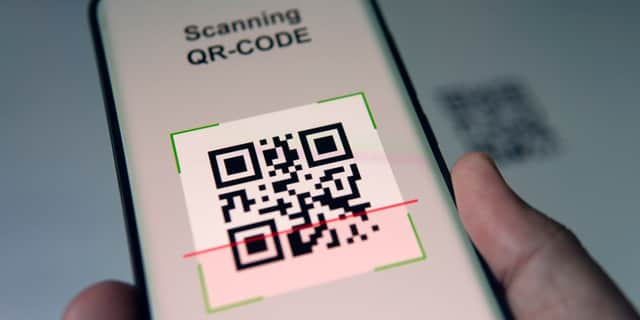
This sees misleading QR codes created by criminals placed where contactless payments are common, such as on parking meters or restaurant menus.
The malicious codes redirect users to fraudulent websites or applications and can be used to extract personal data, such as bank details.
In Thornaby, North Yorkshire, a 71-year-old woman sent fraudsters £13,000 after using a scam QR code in the station car park.
Across Yorkshire, West Yorkshire had the highest number of reported quishing scams.
Milton Haworth was caught out using his mobile phone to scan a QR code at a council-run car park in Castleford.
It directed him to download an unauthorised app, from which he agreed a 90p fee to verify bank details.
But instead of paying to park, he found himself signed up to a subscription service with a £39 yearly fee and no refunds offered.
"I'd assumed I'd paid for my parking but realised it was a scam when I noticed the next day that £39 had gone out of my account," he said.
"The sign said to use the code to park and I hadn't ever heard of QR codes being used as a scam."
Mr Haworth blames the spike in cases on authorities "not taking this seriously enough".
He said: "Nobody seems to care, there doesn't seem to be anyone trying to find these people.
"It's incumbent on the authorities to go after them but I don't think they do because it's small amounts taken, not multimillions.”
But Ms Hart explained: “On average, people lose £2,000 to banking scams but we’ve seen huge amounts of money being lost in this way.
“People have seen their life savings gone and at the end of the day, that huge amount of money is going to finance those criminals.
A spokesman for the National Cyber Security Centre said: “With more businesses using QR codes to direct people online, it is vital everyone stays vigilant to cyber criminals who might try to exploit this.
!When directed to a website by a QR code - especially in open spaces like stations or car parks - it is important to take care to ensure that it is genuine, and be cautious if you're asked to provide excessive personal information.”