
Academics underline importance of habitat corridors to nightjar
Academics have highlighted how the development of a network of habitats is crucial for the survival of long-distance migratory specialists such as the nightjar.

University of York researchers issued the warning after a study revealed a significant drop in the genetic diversity of British nightjar populations over the past two centuries.
Professor Kathryn Arnold, who led the research, said: “Nightjars are a wonderful, charasmatic yet understated, if that’s not a contradiction in terms, species. They’re absolutely beautiful, but very few people are lucky enough to see them because they’re noctural and they live in places you perhaps wouldn’t be at night.”
Nightjars are nocturnal and are known for their distinctive churring call and North Yorkshire is currently a stronghold for the UK’s nightjar population, with good numbers in areas such as Dalby, Cropton and Langdale Forest near Pickering.
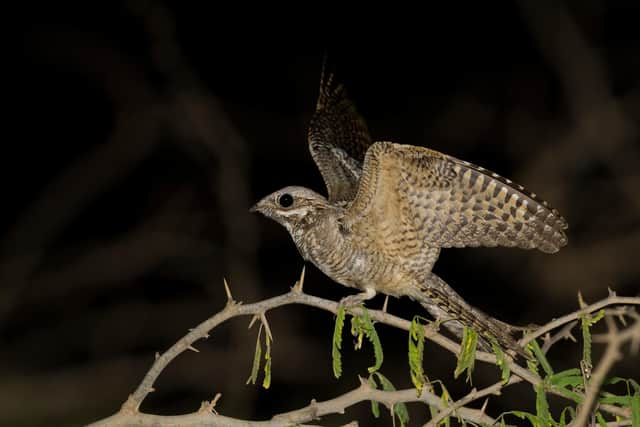

While nightjars can found all over Yorkshire, albeit in fragmented populations, the academics studied the the birds at the rare, boggy, lowland mire of Humberhead Peatlands, at Hatfield Moors, near Doncaster.
They can be found in heathland and open woodland clearings, often near recently felled areas. The birds arrive in May from Africa to breed and leave in early September, making summer evenings the best time to spot them.
Prof Arnold said: “They’re doing quite well in Yorkshire compared to the rest of the UK. We’ve got some incredible natural areas, the national parks, the moorlands and peatlands, and these are really good places for the nightjar to breed.
"Over the last century they’ve been declining in numbers because their habitat is being destroyed, heathlands are being drained for agriculture or planted with trees.”
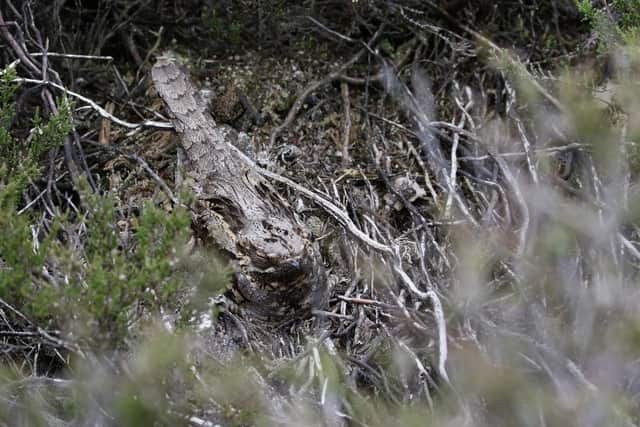
The study illustrated how the very traits that might seem to protect migratory birds - their ability to move widely - are undermined when their specialist habitat requirements are severely impacted. While the results did not indicate an immediate risk of extinction, they revealed a clear trajectory of declining genetic resilience.
Prof Arnold said another of the study’s major results included the ability to look at the consequences for the genetic diversity of the species.
Prof Arnold said: “We can’t jump into a time machine and go back 150 years to work out the genetic diversity of the birds living then, but we’ve got the equivalent of that by using museum specimens collected by Victorian naturalists.”
By taking a scraping of DNA from the feet of the dead museum birds and mouth swabs from birds living at the South Yorkshire nature reserve, the researchers were able to look at changes in genetic diversity over time.
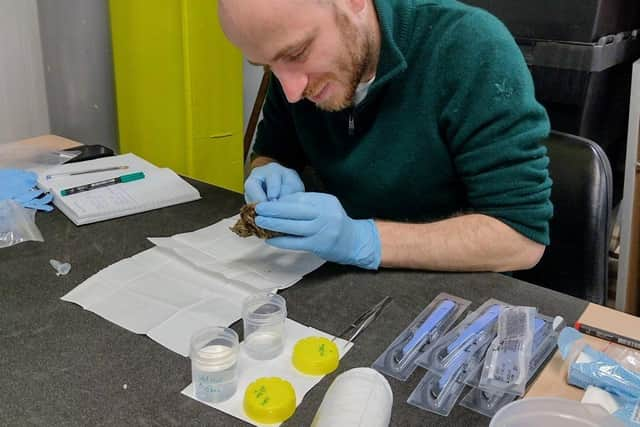
Genetic diversity is viewed as a measure of how a population of a species will be able to deal with future challenges. A population with lots of genetic diversity is better prepared to deal as it can evolve to deal with environmental changes, such as new diseases or a different climate.
The study applied full genome resequencing to 60 historic and 36 contemporary British nightjar DNA samples and found that more than a third had suffered a decline in genetic diversity. The study also found a worrying increase in nightjar inbreeding over the past 180 years.
Dr George Day, who worked on the project for his PhD, said: "This research serves as a stark warning not just for nightjars, but potentially for other long-distance migratory specialists across Europe. The genetic patterns we've observed in the British population may well be mirrored in other European avifauna facing similar environmental pressures."
As a result, Prof Arnold’s team has recommended strategies to increase connectivity. “Nightjars would benefit from implementing measures to link fragmented habitats here in North Yorkshire, allowing for greater gene flow and dispersal between populations,” she said.
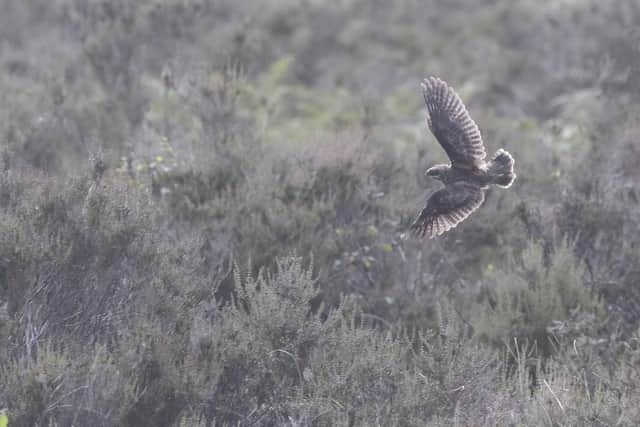
There are numerous projects to boost wildlife connectivity across the region. Examples include initiatives by the Yorkshire Dales and North York Moors national parks and Nidderdale and Howardian Hills national landscapes, such as along the Esk and Rye river corridors
Prof Arnold said: “It’s fantastic that we’ve got national parks and lots of protected areas dotted around, but what’s really important is that there are linkages between them so that animals and plants can move between, otherwise they become islands that are very vulnerable, as we have seen this year with wildfires going through some of these patches of suitable habitat.”
North Yorkshire strongholds
The research, published in Molecular Ecology, highlights the detrimental impact of habitat loss and fragmentation on this enigmatic long-distance migratory bird.
Acute vulnerabilities
Professor Kathryn Arnold, from the University of York's Department of Environment and Geography, led the research and explained more needed to be done to protect the beloved bird.
"Our findings reveal a clear genetic signature of decline in the British nightjar population Despite their highly mobile nature, nightjars, as specialists relying on specific habitats like heathlands and felled woodlands for breeding and moths for food, are acutely vulnerable to habitat loss and fragmentation,” she said.
, which could severely hinder the nightjar's ability to adapt to future environmental changes, disease, or further habitat degradation.
Fragmented populations
“We also recommend further monitoring of genetic diversity - continuing long-term genetic surveillance in nightjars and extending it to other migratory specialist species to identify early warning signs of decline.”
This study, funded by the NERC Biomolecular Analysis Facility (NBAF1266) and the Natural Environment Research Council (NE/L002450/1), underscores the invaluable role of historical museum samples in providing crucial insights into long-term genetic trends.