
Birdwatching: The winter chiffchaffs that never leave us
In the next couple of weeks the first chiffchaffs will be back after spending the winter around the Mediterranean and will be singing their familiar chiffchaff call from the treetops.
But there are other chiffchaffs that have been here throughout the winter and somehow survived the ice and snow.
They flit along the edges of reed beds and hedgerows, always on the move and they to be to find their insect prey.
In an average British winter they add 10 to 15 per cent to their body weight during the day then burn up that fat during the night.
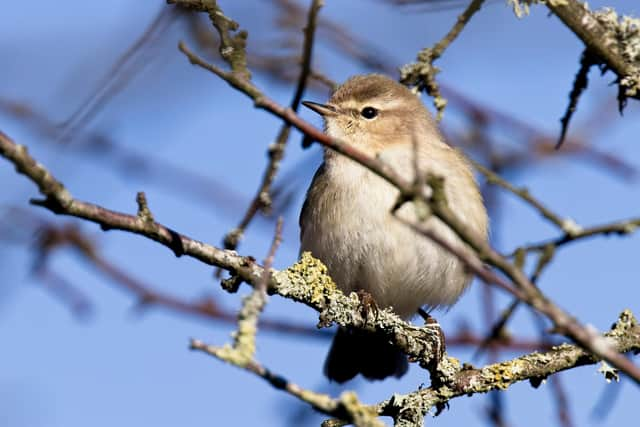

One good place to look for them is around water treatment works where even if
the weather does turn colder, there are usually plenty of insects around for them to feed on.
As they search for these they make their usual hoo-weet call which announces their presence and on sunny winter mornings might burst into a snatch of their familiar summer song.
These winter chiffchaffs look the same as those that will be arriving in March but are far fewer in number. However, the overwintering strategy seems to be paying off as the UK's chiffchaff breeding population has more than trebbled since the 1970s.
Our common or collybita form of chiffchaffs is joined here in winter by two other eastern chiffchaff races, tristis and abietinus..
The tristis or Siberian chiffchaff comes here from Russia east of the Urals- one was seen recently at the Rodley Nature reserve, Leeds.
In size and shape it is like other chiffchaffs but the colour of its plumage is quite different.
Our chiffchaffs show some green and yellow tinges in their plumage, especially their yellowish underparts.but the Siberian chiffchaff has a brown head with a light brown eyestripe and an overall greyish brown appearance.
Also they have a different call note, a mournful monosyllable which has given this chiffchaff its Latin name 'tristis' which means sad.
The abietinus form breeds in Scandinavia, eastern Europe and Russia and is slightly larger than common chiffchaff with grey green upper parts and white underparts.
Recent sightings include a Great Grey Shrike at Packard's Tramway on Hatfield Moors.