
How Yorkshire farms are playing a crucial role in protecting the region's birds
Four times as many yellowhammers were seen on farms with both an agri-environment scheme and supplementary feeding, compared to farms with no scheme or feeding, the results of an annual study have revealed.

Nearly 100 farms across Yorkshire have taken part in the Big The Big Farmland Bird Count - an annual national census of farmland birds run by the Game and Wildlife Conservation Trust in February every year.
The trust says this year’s count has underlined how agri-environment schemes play a crucial role in supporting farmer-led conservation, which is needed for Government to meet nature recovery targets.
Since 2014, the annual study has been providing data to help improve understanding about which species are in the most serious trouble and how they can be helped.
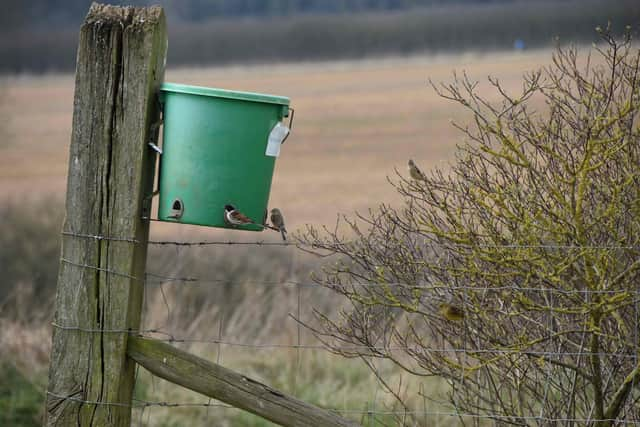

Of the 91 Yorkshire farms where counts took place, 44 per cent were in agri-environment schemes and 43 per cent undertook supplementary feeding of birds in winter with many having planted wild bird seed mixes, both of which are options in the Sustainable Farming Incentive (SFI).
The national figure however was higher, with 65 per cent being in schemes and half doing supplementary feeding.
Many of the SFI options are based on the trust’s science, and its long-term data shows red-listed bird species benefit from these conservation measures.
This year’s count was launched by farmer and TV personality Adam Henson on his Cotswold Farm in Gloucestershire.
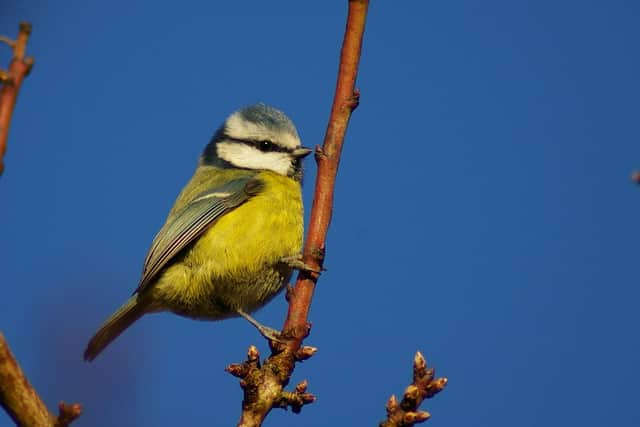
During the two weeks that followed 91 Yorkshire farmers and land managers counted a total of 16,846 birds, belonging to 95 species, across 50,000 acres (20,234 hectares) of farmland.
In total 6,404 red-listed birds belonging to 20 different species were spotted. Of these the most abundant was starling.
Nationally across this year’s count 1,369 farmers and land managers counted a total of 358,913 birds, belonging to 125 species, across 699,869 acres of farmland.
There were notable decreases in sightings of some species, including red-listed fieldfares which were down 52 per cent, long-tailed tits which were down 27 per cent, and curlew with a 25 per cent drop, year-on-year.
Roger Draycott, GWCT’s director of advisory and education, said: “It encouraging to see so many Yorkshire farmers taking part in the count, but we hope many more will join us next year.
“Farmers continue to demonstrate a strong passion for, and engagement with, the wildlife on their farms and with national declines of 63 per cent since the 1970s, farmland birds need our help, while farmers need to be properly funded to implement conservation measures on their land.
“As a sector we need to show that agri-environment schemes are delivering value for public money. One of the ways farmers can do this is by taking part in the annual count.”
Meanwhile, people are being urged to take part in an annual butterfly count after nature experts declared an “emergency” last year due to record low numbers.
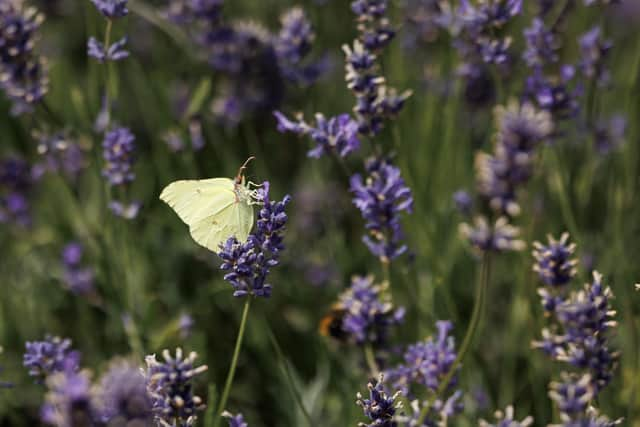
The Big Butterfly Count, organised by wildlife charity Butterfly Conservation over three weeks in the summer, gets members of the public to spend 15 minutes recording the butterflies they see in their garden, park or countryside.
The charity is urging people to take part in what it describes as a “nationwide rescue mission” for the UK’s ailing butterfly species, to provide data that helps scientists understand where butterflies are thriving, struggling or moving due to habitat loss or restoration.
Last year saw the lowest numbers spotted in the count’s 14-year history, with a record number of counts logged as seeing no butterflies at all, and familiar species such as small whites, common blues and small tortoiseshells having their worst summer ever.
While 2024’s lows were in part down to the wet spring and cool summer, and this year’s warm sunny conditions are much better for butterflies, conservationists warn they come on top of long-term declines in the UK.
More than 80 per cent of butterfly species have declined since the 1970s, with experts warning they have been hit by damage to their habitats, climate change and the use of pesticides.
They say that taking part in the Big Butterfly Count can be a small action that contributes to the larger effort to save butterfly species and the natural systems they support.
To take part in the Big Butterfly Count, visit bigbutterflycount.org before August 10.