
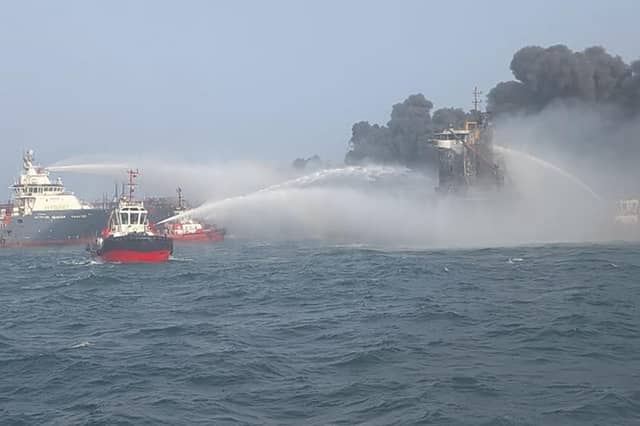

What is sodium cyanide – how dangerous is it to humans and wildlife?
Sodium cyanide blocks cellular respiration which in short leads to death by suffucation – asphyxiation at the cellular level. In high doses, death occurs rapidly.
Symptoms displayed following contact with sodium cyanide include shortness of breath, dizziness and discombobulation. You will likely feel sick, leading to vomiting and could pass out. In high doses, those exposed to it will die within minutes. Other ailments felt following contact with sodium cyanide include feeling weak, confused and often leads with a severe migraine-like headache.
Even in relatively small doses, sodium cyanide is deadly to birds, fish and mammals. Spills into water have been known to cause mass die-offs of aquatic and marine life. Sodium cyanide ranks among the most deadly, rapidly-acting poisons.
When used productively, usually in mining, its highly corrosive properties mean strict governance laws are in place.
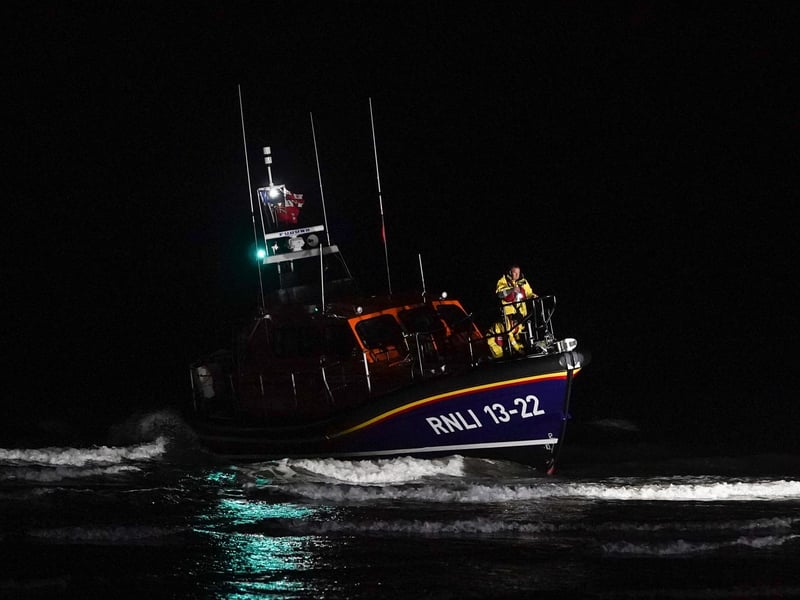
5. Royal National Lifeboat Antony Patrick Jones returns safely with crew to Bridlington RNLI station
Antony Patrick Jones returns safely after taking part in rescue operations after two vessels collided in the North Sea. Thirty-two people were brought ashore with injuries after the collision of the oil tanker Stena Immaculate and the Solong, a cargo vessel, on Monday morning. (Photo by Ian Forsyth/Getty Images) Photo: Ian Forsyth
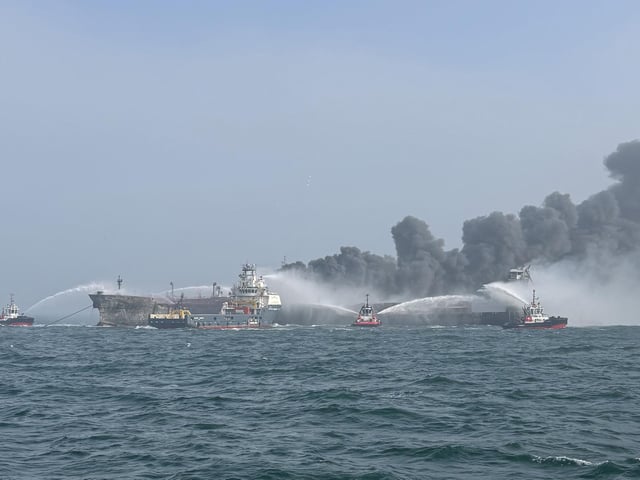
6. Missing at sea - shipping disaster
One crewman was reported missing at sea - the search was called off late on Monday. Solong was carrying 14 crew members - Stena Immaculate was carrying 23. (photo: Getty) Photo: Getty Images
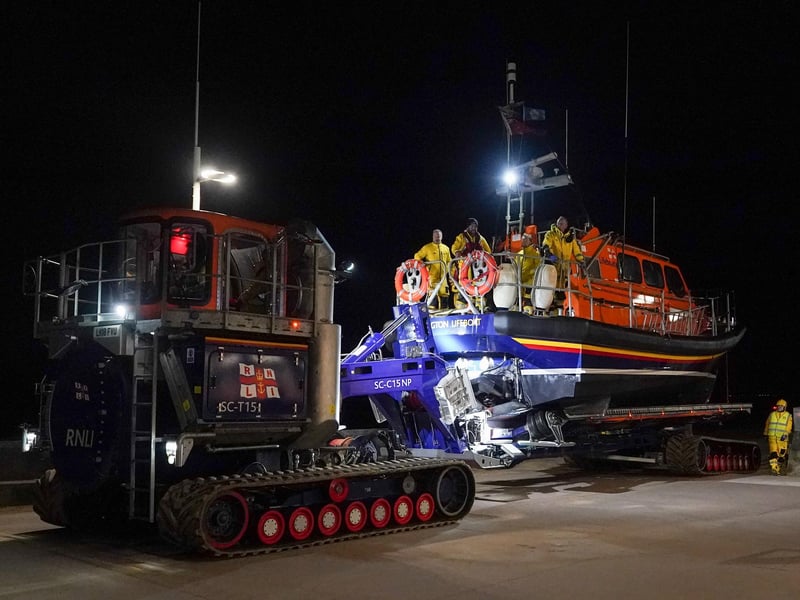
7. RNLI to the rescue
As ever, the trusty volunteers of the RNLI responded provided life-saving support and expertise as the rescue operation ensued. (Photo by Ian Forsyth/Getty Images) Photo: Ian Forsyth
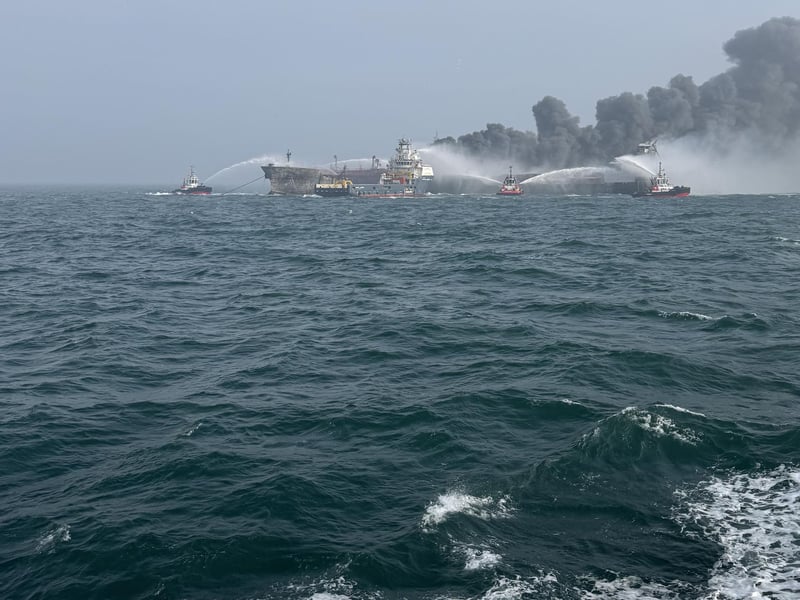
8. Bempton Cliffs Puffins - fears are mounting for local wildlife
Nesting birds: One worried reader wrote on X, formerly Twitter: "This is devastating. My local coastlines. The damage this pollution will cause is catastrophic. The North East/East Coast supports so many nesting Puffins, Gannets, Fulmars. Then there’s all the fish, dolphins, whales. My heart aches for the damage this accident will [cause]." (Photo by Lee Whitaker/Getty Images) Photo: Getty Images