
The wildlife victims of firework festivities
The message is clear: “Wild animals in the countryside are less accustomed to sudden, loud noises than their urban counterparts, meaning fireworks echoing across quiet fields and woodlands can be especially damaging.

“Capping firework noise at 90 decibels would help keep the peace for our rural communities and the millions of wild animals that live alongside them."
This call for legislation and consideration for animals issued to Country Post from former special advisor to the Prime Minister, Richard Parr, now the director of the Center for Wild Animal Welfare, comes amid mounting concerns over the devastating consequences exploding fireworks have on a host of creatures.
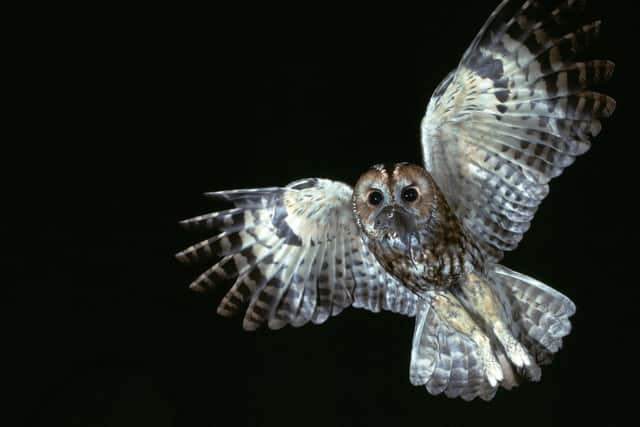

Mr Parr said while most people are familiar with the distress that fireworks can cause for dogs, cats, and horses, the impact on wild animals is rarely discussed, despite its “vast scale”.
The charity and others, including the RSPCA, emphasise how wild creatures don’t have an owner to prepare a safe space for them, to ensure nobody sets off fireworks near their habitats or to play soothing music to cover the noise.
Mr Parr points towards radar evidence taken on Bonfire Night 2021 over Birmingham when there was found to be a sharp increase in bird flight activity across a four-hour period, with birds flying markedly higher and further than usual.
He also cites a case in Bulgaria when more than 1,000 finches were found dead a woodland more than a kilometre from when a display had been staged the previous night.
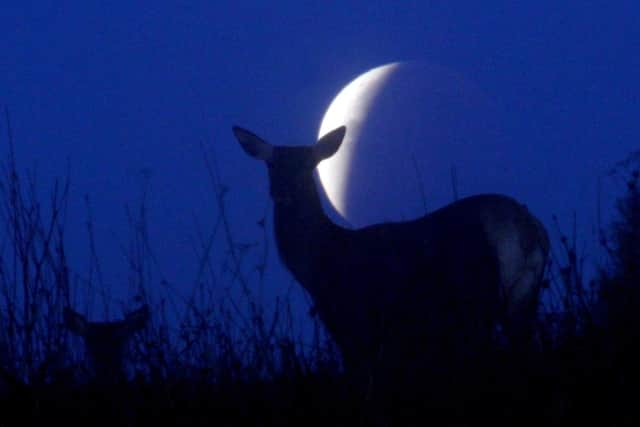
Mr Parr added this month sees wild birds and mammals are conserving the energy reserves they need to get through the winter, but “hours of panicked flight burns energy they cannot easily replace”, meaning weeks of extra feeding to recover.
Conservationists have urged the organisers of fireworks displays to steer clear of known habitats where animals may be nesting, such as lakes or beside trees.
Farmers have long called for tighter regulation of private fireworks displays after frightened livestock take flight before injuring themselves on fences and barbed wire. Ahead of this week’s displays, the NFU called for the development of quieter fireworks and advance notice of displays.
As the government reviews feedback on a fireworks consultation last month, a Defra spokesman highlighted its new campaign encouraging people to consider fireworks’ impact and a potential move to limit the sale of the loudest fireworks “to protect pets and wildlife”.
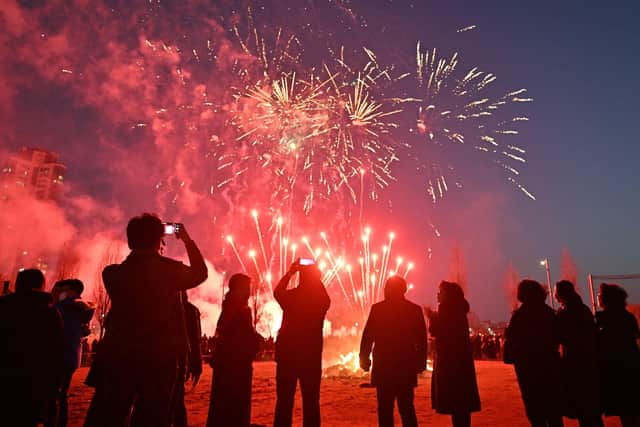
Under the proposals, the maximum noise level of fireworks sold to the public in shops would be cut from 120 to 110 decibels, similar to a loud rock concert.
The Center for Wild Animal Welfare is urging the government to back a greater reduction, to 90 decibels, similar to a nearby motorbike, which it says would shrink the area disturbed by each firework 100 times further than the Defra proposal.
Mr Parr said: "Fireworks can be fun, but they also cause real suffering for wild animals.
“As well as scaring our pets, loud bangs can terrify wild animals like foxes, badgers, deer, and birds.”
"Ministers deserve credit for taking action. But the government’s proposed noise cuts don’t go far enough.
“They should go further and cut the maximum noise limit from 120 to 90 decibels. This would make the area disturbed by fireworks a thousand times smaller.
“This would be great news for our pets, and for millions of wild animals."
Jane Carpenter, co-founder of Yorkshire Dales Wildlife Rescue, said the University of Leeds Ingleborough Soundscape citizen science project, looking at the impact of noise on the environment, had been “eye-opening”.
She said Bonfire Night coincided with the migration of birds such as woodcock and a marked increase in the number of injured animals being brought to its Horton in Ribblesdale hospital.
"We get the ones who have been burnt and singed, and those are the ones that have survived”, Ms Carpenter, a serving North Yorkshire Police officer said. “A lot of them die, but we don’t see those.
"We get a lot more road injuries, deer and other animals run into the road and fences as suddenly there’s all these bangs and they don’t know what’s happening.
"A lot of the night-time creatures, such as badgers which have very poor eyesight, hunt by hearing and the bangs, whizzes and pops must be very impactful for them.
"The problem with fireworks is that they are readily available and so they go on for weeks where in the past there was one organised event.”