
Why Yorkshire academics are looking at the reproductive health of wild turtles and tortoises
A study involving Yorkshire academics has provided important insights into the fertility and reproductive health of wild turtles and tortoises which it is hoped will help reverse their declining populations.
Scientists from the University of Sheffield, in collaboration with Save Our Seas Foundation, Nature Seychelles and Fregate Island Foundation, have developed a new technique to distinguish between fertilisation failure and early embryo death in reptiles, providing the first estimate of true fertility rates in the species studied.
The method, previously only used in bird research, uses microscopic techniques originally developed for bird eggs to assess whether turtle and tortoise eggs have been fertilised and if embryos have died at an early stage.


The study provides clear evidence of fertilisation and embryo survival, even after eggs have been left in wild nests for their entire incubation period.
Turtles and tortoises are facing a global extinction crisis, says the university, with the loss of these species could have devastating effects on ecosystems, as they play essential roles in maintaining healthy environments. By uncovering the causes of reproductive failure, the research paves the way for more targeted and effective conservation strategies, says the institution.
The research for this study has been conducted by Alessia Lavigne in the Seychelles and the UK. Lavigne is the first Seychellois scientist to do any type of research on Cousin island, a nature reserve in the Indian Ocean off the coast of East Africa protected under Seychelles law.
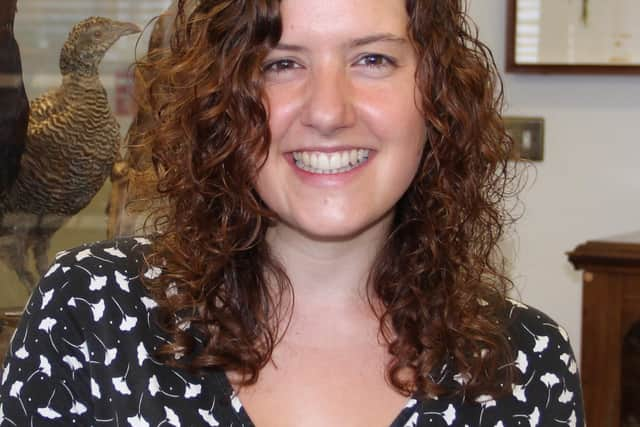
Alessia, a PhD student at the University of Sheffield, and lead author of the study, said: “Not only have we identified and quantified critical gaps in our current understanding of turtle and tortoise fertilisation rates, but we also address the lack of reliable methods through the demonstration of our technique.
“Our conservation partners are excited as some have already expressed that these results have improved their understanding of hatching failure and helps pinpoint the significant threats to their reproductive success.
"They feel that the results of this study will inform future management interventions, especially when considering factors such as global warming and climate change.”
The team applied the method across five turtle and tortoise species, including both wild and captive populations. The results showed that most hatching failures in these species are due to early embryo death rather than fertilisation failure.
The study found that the majority (75 per cent) of undeveloped eggs that were successfully examined had been fertilised but contained embryos that died at an early stage.
This was particularly true for wild sea turtle species like hawksbill and green sea turtles, where embryo death was the primary cause of hatching failure. In contrast, Giant Aldabra tortoises exhibited slightly higher rates of fertilisation failure, indicating that fertility may be a larger concern for this species.
By being able to accurately assess fertility and embryo survival rates, conservation teams can better focus their efforts.
For example, in endangered sea turtles, the priority can now shift to improving embryo survival by protecting nests from harsh environmental conditions. For tortoises, the emphasis can be on ensuring that egg-laying females have access to fertile males.
This is the first time fertility has been accurately assessed in wild populations of sea turtles and tortoises, providing critical information to help save these species from extinction.
Dr Nicola Hemmings, from the University of Sheffield’s School of Biosciences, and leader of the research group that undertook the study, said: “The next steps are to combine accurate data on fertilisation failure and embryo death rates, using the methods we have developed, with information on the conditions in which these species are breeding, such as temperature and the presence of pollutants, to assess whether certain environmental factors are associated with increased levels of fertilisation failure or embryo death.
“We also think that the methods we have developed should be applicable to other reptile species such as crocodiles and snakes, opening up great potential to better understand reproductive issues in other threatened species too.”