
'Wildfire threats need to be tackled by collective action’ says Government minister
Mounting threats from wildfires need to be tackled by collective action at a local and national level, a minister told an international conference in Yorkshire.
More than 350 delegates from the UK, Europe and North America heard climate change was continuing to drive growth in wildfires in different parts of the world at the flagship meeting in Leeds on Friday (Nov 13).
Fire and rescue services, land managers, conservation groups, researchers, policymakers and industry groups are attending the event in the wake of some of the largest and most destructive wildfires across the UK in 2026.
Baroness Blake, the Minister for Building Safety, Fire and Resilience, who opened the conference, said wildfires had become a significant issue.
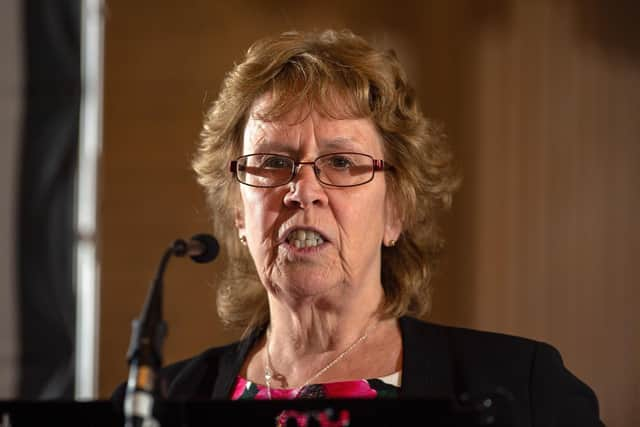

These had affected “precious” habitats and landscapes but had also developed in urban areas “turning lives upside down”.
The former leader of Leeds Council said the Government’s wildfire summit last month involving Prime Minister Andy Burnham had set out a number of key national priorities, but these needed to link with local action.
Measures were needed to prepare for the coming year but also to address longer term challenges.
“I want to emphasise what unites us all is a commitment to tackling the growing challenge of wildfires using our collective expertise and knowledge,” she said.
Success was dependent on effective and sustained partnerships.
“No single organisation can address every aspect of wildfire risk,” she said.
“We need a focus on where the gaps are in our preparations and the practical change which will make the greatest difference.”
She praised the efforts of fire and rescue crews who had carried out a “phenomenal job” over the summer.
Organisers said the impact of recent wildfires had triggered increased interest to make the conference - held every two years - the biggest ever.
The meeting, which continues today, is discussing the changing nature of wildfire risk, latest research and the need for greater collaboration to protect communities, vital infrastructure and the countryside.
Conference chair Prof Gareth Clay, a wildfire expert at Manchester University, said it was “really positive” that national investment was being directed at tackling wildfires but the challenge now lay in sustaining activity.
He said the norm of the fire season was being challenged with a blaze as recently as last week on heathland in Dorset.
Fires were also evolving. They were developing in the UK not just in more remote places but were having a direct impact on urban areas, as well as bringing poorer air quality and disrupting travel and tourism.
He said the UK had a mosaic of landscapes including tracts of forests, peatlands, heathlands and agriculture.
“It means your land management decisions need to be appropriate for those different landscapes,” he said. It was too early to predict the impact of wildfires next year.
“If we don’t get the moisture returning, we could potentially be in a similar position as we were this year.”
There have been record numbers of UK wildfires in 2026, striking in urban areas as well as protected areas including the Cairngorms in Scotland and a nature reserve in Suffolk.
Nineteen homes were destroyed in Stourbridge in Worcestershire when a fire spread from neighbouring fields.
Following a series of heatwaves, Ministers banned the sale of disposable barbecues amid warnings the country was like a “tinderbox” and ordered the sending of an emergency alert to mobile phones.
In Yorkshire, major incidents have included the devastating blaze near Whitby in summer 2025 which ravaged 10 square miles of rare upland habitats in the North York Moors National Park and threatened to spread to the RAF early warning station at Fylingdales.