
Yorkshire Dales Rivers Trust study reveals pollution threat to Harrogate’s Oak and Bilton becks
A major survey of two North Yorkshire becks flowing through valleys featuring swathes of wildflowers and scores of bird species has several misconnections in the drainage network are adding highly polluting discharges to the watercourses.

River conservation charity Yorkshire Dales Rivers Trust said the findings at Harrogate’s Oak and Bilton becks followed 16 local volunteers taking part in an outfall safari, one of the largest to be conducted in the north of England.
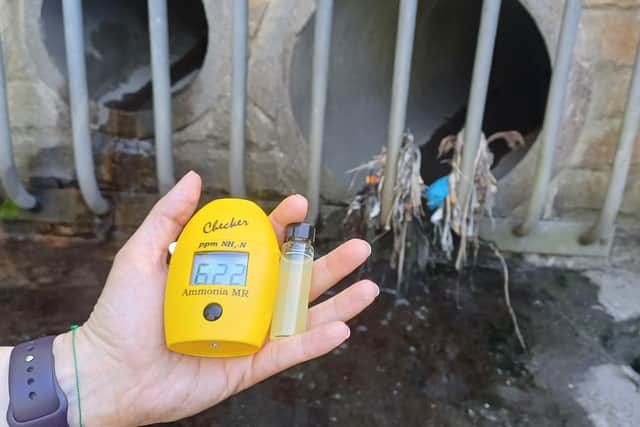
Seven and half kilometres of becks in and around the town, from Knox Park to Harlow Carr, were assessed, with the trained volunteers specifically surveying 64 outfalls – ranging from small pipes to large culverts, to assess for visible signs of pollution and also to chemically test for ammonia and phosphate, both indicators of pollution, which in high levels is extremely harmful to wildlife.
According to Harrogate and District Naturalists’ Society, Oak Beck, which flows eastwards across the northern part of Harrogate, has Skunk Cabbage and Purple Toothwort growing on its banks in a valley which is one of only two UK sites where the Chestnut Click Beetle is known. The valley’s oak trees hold the cryptic Purple Hairstreak butterfly and Oak Beck contains Brown Trout and Bullhead and was once a stronghold of the native White Clawed Crayfish. Woodland birds include Tawny Owls, Tree Creepers and Nuthatches.
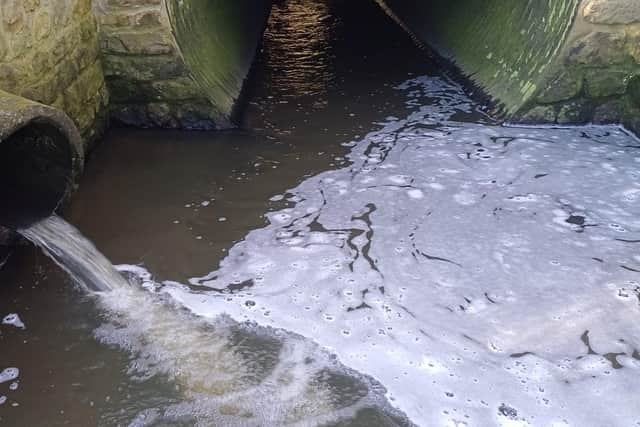

Sarah Lonsdale, project manager for river enhancement at the trust, said the outfall safari had been an important part of the Harrogate Becks project, which aims to restore Oak, Bilton and Crimple becks. She added: “Most often outfall safaris just record visible findings, but the addition of chemical analysis and conductivity readings – funded by Yorkshire Water − to our safari, means we now have concrete evidence of pollution in 29 out of the 64 outfalls tested, with 11 of those classed as high risk, major polluters.
"All our results have been passed to Yorkshire Water and the Environment Agency which will investigate the sources of the pollution and aim to rectify the issues found. Indeed, a number of pollution issues have already been resolved, with investigations and engagement ongoing.”
Surface water outfalls are a part of the wider urban plumbing system and are designed to carry rainwater from roofs, roads and driveways into local rivers and streams to protect streets from flooding. However, misconnections in the network, from individual households or even entire housing developments, can send waste-water into surface water drains. When this happens untreated effluent including sewage, detergents and chemicals, bypasses wastewater treatment works and is instead directly channelled into streams and rivers, which is fatal for wildlife. Through Defra and Rivers Trust data it has been estimated between 150,000 and 500,000 homes in the UK have some form of misconnection in their drainage systems and around 15 per cent of rivers in England and Wales have failed water quality standards due to misconnections.
Clare Beasant, Yorkshire Water’s river health improvement manager, said once a misconnection has been identified, the firm’s field teams have led the investigation into locating the source of pollution, working in partnership with Environment Agency and North Yorkshire Council to reach a resolution and prevent further impacts on waterways.
She said: “This is the second Outfall Safari that we have supported in Yorkshire through training and funding, and we hope to help deliver many more across the region over the next five years as part of our commitment to improving river health.”
The top six polluting outfalls in Harrogate in order of their overall pollution scores were found to be Knox Park, Jennyfield Drive, the open culvert on Cow Dyke, Lincoln Grove, Skipton Road Bridge and downstream of the Hydro.
Sarah added: “It is important to recognise that this survey represents a snapshot in time and may not capture all the pollution issues occurring across the becks, however the fact that it was conducted in a period of extended dry weather where more than half of the outfalls were flowing does underline the extent of the issue.
“We have created a short informative video to help people learn more about the issue and what they can do to look after their own local surface water outfalls, which can be viewed at ydrt.org.uk/news along with the full report about this Outfall Safari.”
To results will be detailed at an event being staged by the trust on November 26, from 6pm to 8pm, at St Peters Church, Cambridge Street, Harrogate. To book, visit http://bit.ly/3JjN8oe.