
Yorkshire set to host more incinerators than any other part of the country
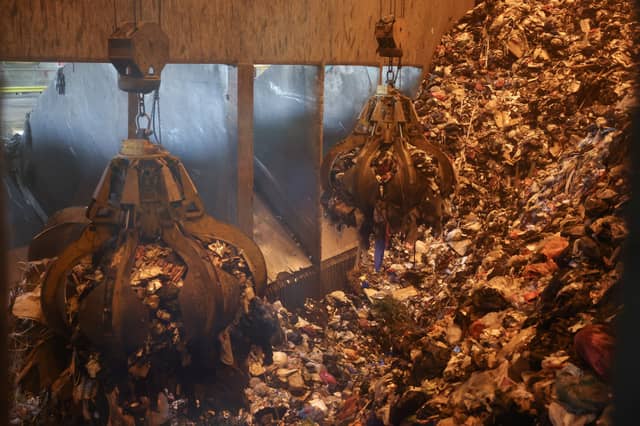

Burning household rubbish in incinerators to make electricity causes more pollution than any other way the UK generates power, an analysis by the BBC has claimed.
Around half of waste produced in UK homes is now being burned, with Yorkshire set to host more incinerators than any other part of the country.
The BBC examined five years of data and found that burning waste produced the same amount of greenhouse gases for each unit of energy as coal power, which was abandoned last month.
The switch to incineration over the last two decades followed concerns over the greenhouse gases from landfill sites, leading to a hike in landfill taxes for burying waste.
Numbers of incinerators have grown significantly. Figures produced by analysts Barbour ABI reveal Yorkshire is set to have more than any other part of the country.
There are eight in operation in the region but 17 are being planned or under construction.
In contrast, Wales has two in operation, with only two more planned.
Barbour ABI chief analyst Ed Griffiths said: “The surge in energy-from-waste generators – essentially incinerators – has gathered pace over recent years as councils have sought alternatives to landfill.
“We have certainly witnessed more planning applications in the Yorkshire area.”
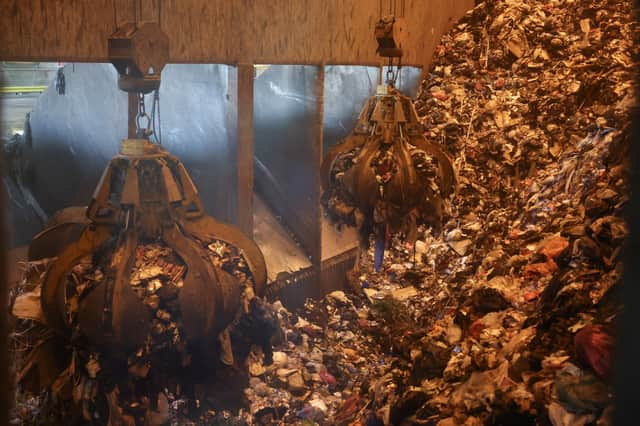
Environmentalists have raised particular concerns over the burning of plastic waste made of fossil fuels leading to the creation of huge amounts of greenhouse gases.
In a statement yesterday, the Environmental Services Association, which represents waste firms, defended the “vital” role of energy-from-waste facilities which saw 16 million tonnes of waste incinerated last year in the UK.
It claimed disposing of household waste in landfill produced more greenhouse gases than by sending it to an energy-for-waste facility.
“It is simply incorrect to compare the carbon intensity of energy produced as a by-product of waste treatment with other forms of energy generation without accounting for these avoided emissions associated with landfill.”
A Department for the Environment, Food and Rural Affairs (Defra) said: “We are committed to cutting waste and moving to a circular economy so that we re-use, reduce and recycle more resources and help meet our emissions targets.
“We are considering the role waste incineration will play as we decarbonise and grow the economy.”