
Yorkshire Water downgraded after five serious pollution incidents

Yorkshire Water has been downgraded for "unacceptable" environmental performance following five serious pollution incidents last year.
The Environment Agency said 90 per cent of the 47 serious (category 1 and 2) incidents were caused by four companies, Anglian Water, Southern Water, Thames Water and Yorkshire Water.
A Category 1 incident is defined as having a "serious, extensive or persistent impact on the environment, people or property and may, for example, result in a large number of fish deaths".
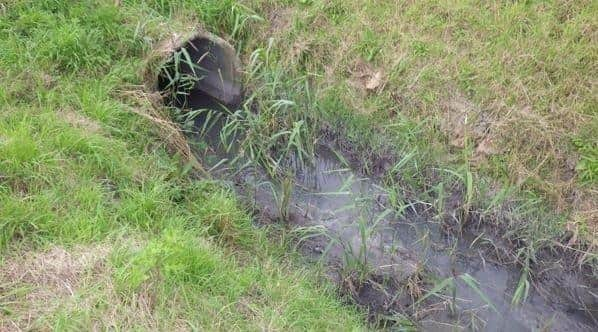
Category 2 incidents have a "lesser, yet significant" impact. The five incidents were on an unnamed tributary leading to Welbury Stell, in North Yorkshire in January 2023; Cockleshaw Beck, near Oakenshaw, Kirklees, (February 2023); Durham Warping Drain and North Common Drain near Thorne in South Yorkshire (September 2023); Hazelbush Drain, near Harlthorpe, East Yorkshire (October 2023) and Howden Dyke (November 2023).

It comes as the sector faces a national crisis after years of under-investment by the privately-run firms combined with ageing water infrastructure a growing population and wetter conditions caused by climate change.
The annual report said there was a “small improvement” in environmental protection among some firms and Severn Trent, Wessex Water and United Utilities performed well.
However chair of the Environment Agency Alan Lovell said the performance of others, including Yorkshire Water, which has dropped from three stars to two stars for its environmental performance, "lags far behind".
Yorkshire Water had 26 total pollution incidents per 10,000km of sewer, up from 22 in 2022.
The company self-reported 75 per cent of incidents, below the industry average of 84 per cent.
Mr Lovell said the culture within some firms “can also perpetuate poor practices” and warned that the regulator will not take “bad weather” as an excuse.
He said: "We are seeing polarised performance as shown by the number of serious pollution incidents.
"Over 90 per cent were caused by four water companies – Anglian Water, Southern Water, Thames Water and Yorkshire Water. This is unacceptable."
For its part, the Environment Agency said it would introduce a tougher regulatory approach.
It outlined plans for recruiting 500 additional staff, investing in digital systems, increasing enforcement activity and quadrupling the number of water company inspections to 4,000 before April next year.
Environment Secretary Steve Reed called the findings “shocking”. “For too long, water companies have pumped record levels of sewage into our rivers, lakes and seas. This Government will never let this happen again.”
The new Government has announced plans to crack down on water firms, including tougher fines for pollution incidents and ensuring money is invested into infrastructure rather than paid out in bonuses.
Yorkshire Water is spending £6m at Howden Dyke installing a pressurized pipeline system between Howden Broad Lane Sewage Pumping Station and Howden Wastewater Treatment Works to cope with the building of thousands of new homes.
A YW spokesperson said they had a robust improvement plan in place "using new technology to improve visibility of the underground network so we can take action before issues on the network begin to impact the environment, and making improvements in self-reporting to further improve performance".
They added: “Climate change and extremely wet weather in 2023, the sixth wettest on record, had a significant impact on the number of serious pollution incidents we dealt with in the 12-month period.
"The wet weather has continued into early 2024, posing further challenges for us in reducing pollution incidents to where we want them to be.
“Despite the fall in our overall rating, we are pleased to lead the industry in terms of wastewater treatment works performance and had one of the lowest numbers of total pollution incidents per 10,000km of sewer, which is testament to the work of our teams throughout the year to deliver improved environmental performance.”