
Gardening: Cyclamen, goosefoot and chives: Plants that you won’t lose sleep over
Breathe deeply and sleep well, thanks to a few helpful plants. Do people grow plants in bedrooms? They certainly have them in lounges and dining rooms, in halls and bathrooms but bedrooms seem to be a bit of a no-go area.
The reason seems that, once upon a time, it was believed that plants were a potential danger where people slept – under the cover of darkness all those leaves sucked oxygen out of the atmosphere.
Thankfully, common sense has prevailed, and it’s now normally accepted that certain plants in bedrooms can actually do you some good, particularly those known to improve air quality.
Coleus, the delightful little flame nettle, for example, will be quite happy in a sunnyish window. Keep it well-watered but never waterlogged, feed it weekly throughout summer (a little less in winter) and it should thrive. Encourage it to grow sturdy by pinching out the growing tips.

And that reliable old favourite, the goosefoot plant (Syngonium podophyllum) will be only too happy in a less-sunny bedroom where it can avoid too much direct light. It appreciates decent humidity, so pop its pot on a bed of gravel in a saucer and keep the stones moist – moist air will then rise to massage the foliage.
It doesn’t need too much watering, not too much feeding, and can be kept trim and handsome by removing any damaged or wayward leaves.
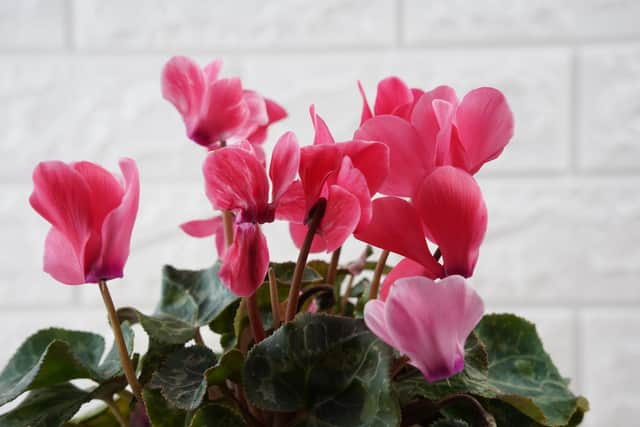
Florists’ cyclamen (Cyclamen persicum), of course, are ideal plants for any bedroom where they can enjoy bright light and a moderate temperature. Water with care and feed fortnightly in spring and summer (perhaps monthly in winter).
Some people keep them blooming year-round but, if you like, let the plant have a dormant period to help it build up its strength for another flowering season.
Herbs
If you don’t grow herbs, then perhaps it’s time you did because they are an integral part of the garden – and the kitchen.
During winter, an established herb garden can still provide plenty of offerings – many evergreen plants may look a bit past their best but they can yield fresh leaves, so don’t write them off.
Many herbs are adaptable, they will grow in most sites and situations, but the majority come from hot countries where the rainfall is low and the soils are poor
Just start them off in ordinary soil in the sunniest spot you can find. Add a bit of fine gravel to help with drainage.
In pots, make a compost/soil a bit beefier because the plants will not be able to extend their roots in search of nutrients. Again, make sure the container is relatively free-draining.
You don’t need loads of space to grow them – some herbs are small, compact and will grow happily in a small area or container.
Chives are one of the easiest plants to grow indoors over winter, particularly if you have a south-facing window that makes the most of any sunshine.
They usually do better when grown from divisions from established garden plants.
Dig them up, divide the clump and fill the pots with a decent, all-purpose compost. Then trim back the tops of the chive plants to about six inches of stem and pop them into their pots.
It's also quite easy to plant up oregano, mint, rosemary, and thyme, all staples in the modern kitchen. Once again, find a window that catches the sun, then line up your pots.
Bamboo
If the world’s giant panda population depended for its survival on the incredibly-named Pleioblastus viridistriatus (auricomus), it would go hungry.
Thankfully, this particular compact, evergreen, semi-dwarf bamboo whose large, green-striped, bright golden-yellow leaves give it a tropical appearance, is not on the panda’s menu, but it is very much on the wish-list of many British gardeners.
Because of its size and its colour it is ideal for the front of a sunny border or even as a feature plant in a hefty container.
Once it gets its roots into growing mode, it can produce stunning purple-green canes that contrast wonderfully well with the lovely pale-yellow leaves.
It’s also non-invasive so it can be allowed free rein – it will not go very far or grow very quickly, which is one of the reasons why some gardeners plant it in groups in the sunniest bit of ground they can find.
The ‘variegated’ foliage, which grows best in full sun, benefits from being cut back to ground level in winter to encourage it to produce fresh foliage the following spring.
In the right place and given the right conditions, it can become a delightful addition to a bed or border – and container. Just don’t expect it to attract a panda into your garden.
And if you have room for a larger bamboo and are not too bothered about its ability to spread, there are now many available to the British gardener. But make sure you do a bit of homework to find out just how potentially invasive is your choice.
One of the most popular is Phyllostachys bissetii, a graceful arching plant ideal for a windy or exposed spot. It can reach a height of five metres and it will tolerate sun or light shade.