
Malik Bunton: 'Deliberate obstructions' to gathering key evidence about death of RAF Leeming serviceman, says coroner
Investigations into the death of a 21-year-old RAF serviceman in Yorkshire were impacted by "apparent deliberate obstructions" to gathering key evidence, a coroner has said.
Air specialist Malik Bunton, who worked at RAF Leeming in North Yorkshire, died in July 2023. A recent inquest into his death conducted by Coroner Catherine Cundy concluded he died as a result of suicide.
His death came four months after an incident in which he had entered the River Ouse with “suicidal intent” and six days after a GP consultation in relation to self-harm.
A prevention of future deaths report written by the coroner setting out three key areas of concern has now been sent to the Ministry of Defence and also made public.
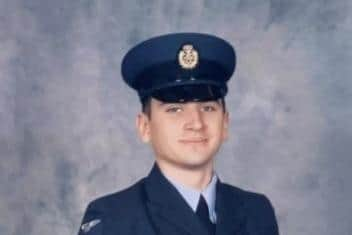

The coroner said there had been “inexplicable delays and some apparent deliberate obstructions to the gathering of important evidence from key witnesses”.
The report said: “This impacted on the extent and quality of evidence ultimately available to both the service inquiry and the inquest.”
Issues raised included “withholding statements from two key witnesses from the service inquiry panel for some months”; the deletion of Mr Bunton’s service email account “without consideration of its potential importance in the context of a suspected suicide” and “long delays in obtaining formal accounts from key witnesses”.
The report also said there had been “insufficient inquiry” into the March 2023 incident where Mr Bunton had entered the River Ouse.
It said: “While it was accepted that Mr Bunton chose to minimise the incident, it could easily have been established by proper inquiry of these parties that Mr Bunton had sent a concerning message before entering the water with suicidal intent, and then been taken by the police to hospital where he was offered psychiatric assessment.
“The results of these inquiries would have better informed subsequent oversight of Mr Bunton’s welfare by his Chain of Command.”
The coroner noted there was an absence of any account from Mr Bunton’s colleague who attended hospital with him following the March incident and said such evidence could have informed the inquest.
The other area of concern raised related to “weaknesses” in a clinical care review process undertaken by the Defence Medical Service following Mr Bunton’s death.
It said the GP involved in the consultation with Mr Bunton six days before his death was unaware that an informal discussion with a senior colleague was being captured as part of a formal review process and was not asked to check the accuracy of a review document produced following the conversation.
The report said this had “compromised the accuracy of the review document itself, as well as impacting on evidence subsequently available to the service inquiry and the inquest”.
In regard to the evidence-gathering concerns, the coroner said there was an “absence of a clear and contemporaneous account” of the GP consultation six days before Mr Bunton’s death.
Of the three combined areas of concern, the coroner said: “While I was unable to conclude that the following concerns caused or contributed to Mr Bunton’s death, I make this report as I consider they impeded the ability of the RAF to properly assess Mr Bunton’s suicide risk and, if repeated, will continue to impede the ability of the RAF to learn lessons from his death and mitigate future risk to other service personnel.”
The Ministry of Defence has until early December to formally respond to the coroner’s report.
An MoD spokesperson said: “The MoD is deeply saddened by the death of AS1 Malik Bunton and our thoughts and sympathies remain with his family and friends.
“The RAF is committed to learning from these tragic events and will carefully consider the concerns raised by HM Coroner in the Prevention of Future Deaths Report.”