
Loan Charge: MPs hit out for failure to undertake ‘glaringly obvious’ joint investigation into suicides
Every week we put one of our premium business stories in front of our paywall to showcase the benefits of becoming a Yorkshire Post subscriber. This story is this week’s selection.
An influential group of MPs has questioned why the Independent Office for Police Conduct (IOPC) failed to undertake a “glaringly obvious” joint investigation into multiple suicides from people facing the loan charge.
The All-Party Parliamentary Loan Charge & Taxpayer Fairness Group wrote a letter to the IOPC last week questioning why the organisation had looked into a string of deaths and injuries as separate cases, rather than as “thematic work”.
Announced in 2016, the loan charge was introduced with the aim of tackling disguised remuneration schemes – tax avoidance schemes that seek to avoid income tax and National Insurance by disguising income as another form of payment, which is claimed to be non-taxable, typically a loan.
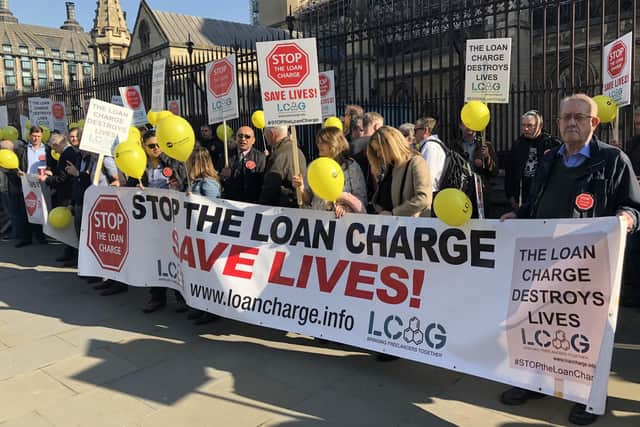

The policy has been linked with 10 suicides and 24 cases of "serious injury” including attempted suicides as people on modest incomes faced large and unexpected tax bills.
HMRC previously told the Parliamentary Group it made 41 death or serious injury referrals to the IOPC relating to the loan charge or “disguised remuneration scheme usage”.
The group of MPs said in its letter that the IOPC was “failing in its duty to treat these cases as linked – as they clearly are – and to therefore do a thematic investigation”. It also described the link between the cases as “glaringly obvious”.
The IOPC defended its decision to deal with the cases individually. It says it recognises the concerns of the MPs and will be responding fully to their questions in the letter.
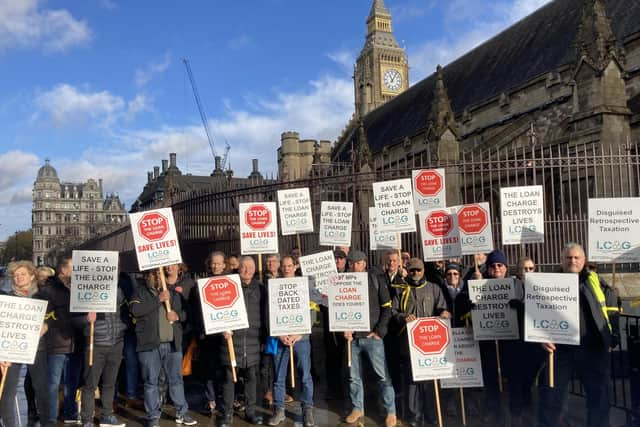
An IOPC spokesperson said: “Whenever someone takes their own life, it is a tragedy that has devastating consequences for their family and loved ones.
“We receive more than 7,000 referrals a year and are resourced to carry out investigations into just a few hundred of those. This means we often have to make difficult decisions over which cases to investigate ourselves.
“Cases of apparent suicide following contact with the police, or one of the other organisations within our jurisdiction, will often not meet the threshold for independent investigation unless there is an indication of potential misconduct or specific failures.
“We are required to take these decisions for each referral on a case-by-case basis.
"It is also important to note that where we send those cases back to the relevant body to investigate, the completed investigation report will be sent to us for review, and cases are also subject to scrutiny during inquest proceedings.” The group of MPs also wrote to the IOPC in 2023 stating that the IOPC “appear to have ignored the fact that these suicides were entirely predictable and clearly preventable”.
In its latest letter to the IOPC, the group of MPs said: “That remains our position and unless the IOPC properly considers these referrals together and looks at the reasons for these suicides, attempted suicides and cases of serious harm, then the IOPC is guilty of actually ignoring the underlying common factor in these suicides, attempted suicides and cases of serious self-harm.”
Following the launch of the loan charge, outcry erupted when people on modest incomes faced large and unexpected tax bills after placing faith in their professional advisers.
MPs later uncovered evidence that, in some cases, workers were told they had to sign up to schemes which later became subject to the loan charge, in order to be paid.
A review in 2019 reduced its impact, and in January 2025, a further review of the loan charge was commissioned by the Government.
The McCann review was published at Budget 2025, with the Government stating that it accepted all but one of the review’s recommendations and in some areas went further, including writing off £5,000 of each individual’s liability in addition to the review’s recommendations.
As the report was being finalised, the review was advised by HMRC of a possible 11th suicide linked with the loan charge.
Following the review, the Government also agreed a new settlement scheme with those affected. HMRC said the settlement scheme meant the vast majority of eligible customers would now be able to settle with it for a lower amount, adding that it was working with customers to settle their cases.
HMRC has said its work to stop the use of disguised remuneration arrangements has enabled it to bring in an estimated £4.4bn to fund essential public services.