
Abuse of RNLI volunteers online lays bare shortcomings of social media platforms

Illegal immigration into the country is understandably an emotive issue for a lot of voters. Britain is an island nation that is simply struggling to meet the demands placed on it by the arrival of thousands of asylum seekers. Small boat crossings continue to present a challenge to the authorities here.
No one should be castigated for voicing their opposition to the idea of allowing more migrants into the country. But in recent weeks some have overstepped the mark.
The worst elements have targeted RNLI (Royal National Lifeboat Institution) volunteers for doing their jobs. To target people who give up their spare time to help people stricken at sea is beyond the pale.
It is not the fault of RNLI volunteers that these small boat crossings are happening. The charity is not facilitating the arrival of asylum seekers as some claim. Rather it is continuing to do what it has always done, saving lives at sea, regardless of people’s immigration status.
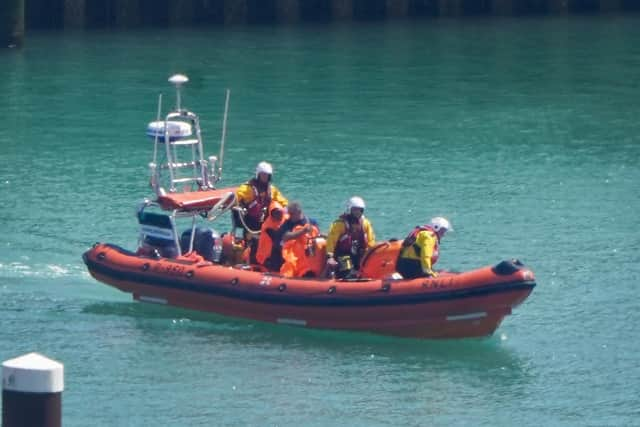

What has been particularly disconcerting is the online abuse and so-called doxxing, where a person’s private information is shared online without their consent, of RNLI volunteers.
This is another reminder of the shortcomings of social media companies.
Digital Secretary Lisa Nandy has written to RNLI staff and volunteers to express her support and tell them she was “shocked and saddened” to see them targeted. Nandy also said that she would be meeting social media companies to ensure they meet their obligations.
Regardless of the rhetoric, it is evident that social media platforms are not doing enough.
As for those behind the abuse, the volunteers who they have been targeting stand in contrast to the cowardice exhibited by these often anonymous social media accounts.