
Art therapy can help children in various different ways - Lex Bágust
At Timeout Children’s Homes, we believe every child deserves to feel safe, understood, and supported to thrive. Yet for many children and young people, accessing the right support can take time.
Waiting for autism or ADHD assessments, or for specialist input, can feel like a long journey - and during this time children may be struggling with their learning, relationships, or emotional wellbeing. Families, too, can feel the weight of wanting the best for their child while trying to manage everyday life.
That is why we offer a multi-disciplinary approach, bringing together art therapists, play therapists, speech and language therapists, occupational therapists, and clinical psychologists. Each child is unique, so after listening carefully and getting to know them, we work as a team to create support that feels safe, meaningful and right for them.
For some children, especially those who have faced difficult experiences, putting feelings into words can feel overwhelming. Art therapy offers a creative pathway - a gentle, non-verbal way of making sense of emotions and experiences.
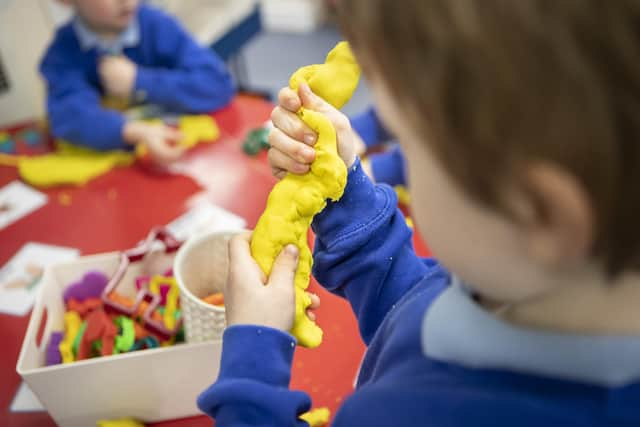

Through drawing, painting, collage, sculpture, or even puppetry, children can express themselves at their own pace. Some may prefer messy play, mixing paint or squeezing clay to release feelings that feel too big inside. Others may choose more structured materials, like pencils or felt pens, to create something more controlled. Every approach is valid and every child is supported in the way that feels right for them.
Art Therapy can be understood as a way of using creativity to help people communicate and explore their experiences with the support of a trained art therapist. The focus isn’t on the final artwork, but on the process, which helps children share their feelings and be understood in a safe, supportive space.
Art therapy can be especially powerful for children who have lived through disruption, trauma, or loss. These experiences can make it harder to trust others, to regulate emotions, or to feel a strong sense of self.
Art therapy offers children a safe, creative space to explore their inner world when words feel too difficult. Through images and symbols, children can express feelings that may be painful or confusing to describe, providing a way to share complex emotions safely.
The therapeutic relationship itself is just as important - within a consistent, attuned, and accepting space, children who may have missed out on secure attachments can begin to experience safety and trust.
This process not only supports emotional healing but also helps to strengthen the brain’s ability to regulate feelings. Art making also encourages exploration of identity and self-worth, giving children the chance to reflect on their experiences and begin building a more coherent sense of who they are.
The sensory and rhythmic qualities of art, whether through brushstrokes, clay, or colour can have a calming effect on the nervous system, helping reduce anxiety and supporting children to manage overwhelming emotions.
Art therapy can be a powerful starting point in trauma recovery because creativity connects directly with the limbic brain, the part responsible for emotions, memory and survival responses.
For children who have experienced trauma, this area often holds unprocessed feelings and memories that may not yet be accessible through words alone. By engaging in creative expression, children are offered a safe and regulating way to begin releasing and reshaping these experiences. Once a child feels secure enough to express themselves through art, it can open the door to further support.
We are mindful that families and carers need guidance they can use day to day. That is why we share what we learn in clear, accessible ways and focus on practical steps. Sometimes these are small, gentle changes: simplifying a child’s environment, supporting a smoother transition to school, or offering tools to manage sensory sensitivities.
While a diagnosis can help shape support, it is only the beginning. What matters most is the ongoing care and skills we can share that helps children and families move forward together.
We also know that children outside of our homes and schools need timely, compassionate help. To help support this, we are launching Mind-U, a service offering consultations and therapies to children and young people in the wider community.
Families can apply directly through our website, or referrals can be made by schools and GPs. Our hope is simple: that more children and families can access support when they need it and feel less alone with the challenges they face.
Art therapy is not just about art-making, it’s about safety, trust, and giving children a voice when words are hard to find. It is about offering creative ways to process experiences and helping children feel seen, valued and heard.
At Timeout Children’s Homes, and through our new Mind-U Therapy service, we are committed to walking alongside children and families. Together, we can help children to develop resilience, confidence, and hope and begin to imagine brighter, more confident futures.
Lex Bágust is a Highly Specialist Child & Adolescent Art Psychotherapist.