
Autistic Pride Day: People who are both autistic and LGBTQ+ can face double discrimination - Dr Laura Powling
On Autistic Pride Day today, I’d like to raise awareness of people living at the intersection of neurodivergence and LGBTQ+ identity. It is not widely known that autistic people are significantly more likely to identify as LGBTQ+ than neurotypical people.
And transgender and gender-diverse people are more likely to be autistic than cisgender (non-transgender) individuals. Research suggests the likelihood is raised by a factor of at least three in both directions. The co-occurrence is being researched. One theory is that autistic people are less constrained by social norms.
Awareness of this relationship between neurodiversity, sexual orientation and gender identity is an important step towards understanding people’s potential fragility.
Carrying two minority identities can make it incredibly difficult for people to show their whole self.
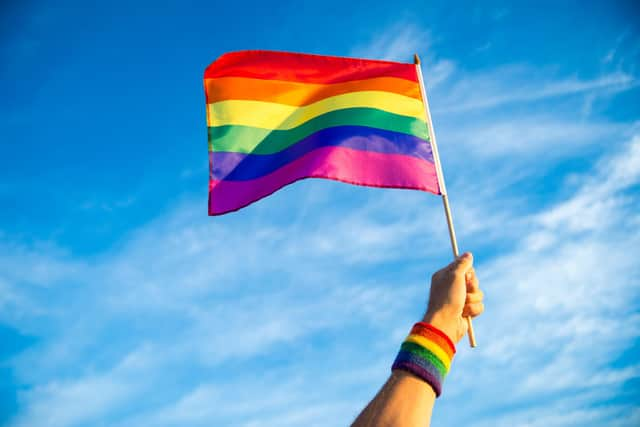

Stigma, discrimination, masking and barriers to healthcare are elevated risks in both communities.
These issues lead autistic people, and those who identify as LGBTQ+, to suffer from poorer mental health than neurotypical, heterosexual and cis people.
Those at the intersection are vulnerable to compounded stresses to their mental health, given they could emerge from either or both parts of their identity.
Some autistic people will struggle to recognise and accept themselves as LGBTQ+ given an inability to understand their feelings, or because of their focus on coping with everyday life.
Sometimes an autistic person is met with invalidation of their LGBTQ+ identity.
It might be questioned as to whether it is ‘real’ or a ‘symptom’ of autism, rather than a genuine, valid part of who they are.
A key concern is the exhaustion of dual masking. Many autistic people spend enormous energy suppressing their natural traits to pass as neurotypical. Often LGBTQ+ people navigate when and whether it is safe to be visibly themselves. To feel the need to conceal both, simultaneously can have a heavy psychological cost.
Ranging from rejection and stigma through to bullying, people who are both autistic and LGBTQ+ can face double discrimination as both elements of their identity put them at higher risk of harassment.
Navigating these issues can make it hard to form a network of support. A lack of companionship risks loneliness and a sense of isolation that can take a real toll.
Systemic biases toward marginalised identities can delay access to diagnosis and care. People may struggle to receive an autism diagnosis partly because of their LGBTQ+ identity, or vice versa, given a scarcity of professionals that genuinely understand both.
Believe people when they tell you all the elements of who they are.
Awareness of the vulnerability of people at this intersection should underpin the provision of mental health support that needs their needs.
And for all of us, it might mean checking in on an individual's mental health in day-to-day scenarios, so they don’t just feel noticed when things go wrong.
Autistic LGBTQ+ individuals deserve spaces, services and relationships that honour all of who they are.
Dr Laura Powling is CEO and Consultant Clinical Psychologist at Evolve Psychology.