
Britain needs to make the entrepreneur’s journey less arduous for the good of the economy - Aihtsham Rashid
This month marks a milestone I have been working towards for over two years: the arrival of Hurayra Pet Food, the UK’s first HMC-certified halal premium cat food. It’s a world-first, born from necessity, driven by passion, fuelled by an unshakable belief that pet owners deserve better: high-quality, ethically produced food that they can trust.
We also secured a deal with Morrisons to stock Hurayra from next month, an extraordinary achievement for a start-up that hadn’t even officially launched when the agreement was signed. On paper, it’s a success story. But behind the headlines is a different reality, one of hurdles, unanswered calls, and a lack of clear, coordinated support for entrepreneurs trying to build something new in Britain.
When I set out to create Hurayra, I knew it wouldn’t be easy. I had experience building businesses in other sectors, from construction to finance, but nothing could have prepared me for the maze of obstacles facing new product manufacturers, especially those importing goods into the UK.
Importing pet food involves navigating a dense web of regulations: ingredients, labelling, veterinary approvals, customs procedures and halal certification. Each requirement exists for good reason, but the process is opaque, fragmented and often reactive rather than proactive. The result? Months spent chasing the right contact, requesting the right form, or clarifying which rule applied. Valuable time lost that could have gone into refining my product, building my brand, or securing customers.

The slow pace of this process drains energy, money and momentum from start-ups. We often hear about Britain being ‘open for business’ and aspiring to be a global leader in innovation. But ambition means little without a system that allows entrepreneurs to move at pace. Inflation, supply chain disruption and labour shortages already strain new ventures. Add slow-moving bureaucracy and patchy guidance and we risk losing the very people and ideas we most need to drive growth.
Entrepreneurs create jobs, stimulate investment and bring diversity of thought to the economy. We take risks that larger companies avoid. We push industries forward. In my case, Hurayra fills a glaring gap in the pet food market and reflects the needs of Britain’s growing Muslim population. But more than that, it shows how culturally inclusive products can generate new revenue streams for retailers and create choice for consumers.
People sometimes think entrepreneurs are motivated purely by profit. For me, this venture is personal. As a cat owner, I was frustrated by the lack of high-quality, responsibly sourced food for my own pet. I wanted something ethical, sustainable and uncompromising in quality, and I quickly discovered thousands of other owners, regardless of faith, wanted the same.
Launching Hurayra has demanded resilience and sacrifice. My days start well before sunrise and often run late into the night. I’ve invested my own resources and energy into every detail. The reward is knowing we’re offering something unique and meaningful, but the road here has been far harder than it needed to be.
If we want a future-facing economy, we can’t just celebrate the end results. We have to make the journey there more navigable.
The UK has no shortage of entrepreneurial talent, creativity or ambition. But we must match that with infrastructure that supports rather than hinders. Cutting red tape, streamlining approvals and making guidance genuinely accessible would empower more people to turn their ideas into thriving businesses. That means more jobs, more innovation and more solutions to challenges we haven’t even identified yet.
Hurayra is more than a brand - it’s proof of what can be achieved when determination meets opportunity. But my journey has also been a warning: without a more efficient and coordinated approach to helping start-ups, we risk stifling innovation before it even reaches the market.
We should be proud of the diverse, inclusive economy we’re capable of building. That means recognising and supporting niche products that meet the needs of different communities, whether that’s halal-certified cat food, gluten-free snacks, or eco-friendly packaging solutions. These aren’t fringe markets; they are fast-growing sectors with global potential.
If we want a future-facing economy, we can’t just celebrate success stories at the finish line. We need to clear the path so more people can get there. My hope is that Hurayra will not only nourish pets but also inspire policymakers, trade bodies and support agencies to think differently about how they help the next generation of innovators.
Because there are countless people out there ready to build the next Hurayra. The only question is: will Britain give them the tools to succeed, or make them fight for every step?
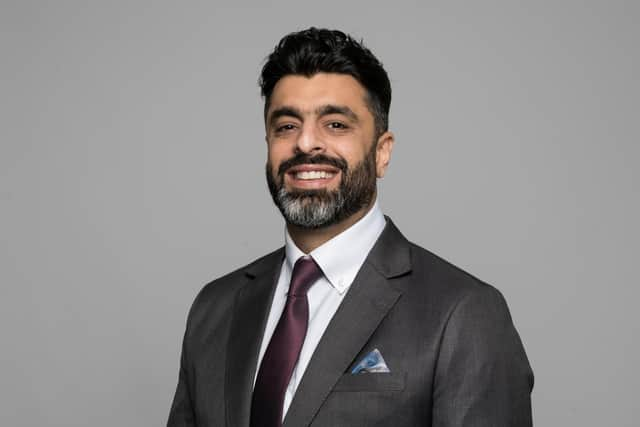
Aihtsham Rashid is the founder of Hurayra Pet Food.