
Budget needs to show British entrepreneurs that they don’t need to leave for the UAE - Joe David
Recently Opinium released its 2026 Global Entrepreneurship Index, with the UK falling from 19th to 24th place. The UAE, meanwhile, climbed three places to 8th. For most people, those figures will be another headline about Britain's declining competitiveness. Sitting in Dubai and working with British founders who have made the move, I see a much more personal story behind them.
I run an accounting and tax advisory firm specialising in the digital economy. Many of our clients are British founders, business owners and high-net-worth individuals who now live in the Gulf.
There is rarely one moment when someone decides they've had enough. More often, the decision takes shape over several years. A rise in capital gains tax, the erosion of Business Asset Disposal Relief, the scrapping of the non-dom regime. Each change adds to a wider sense of uncertainty about what it means to build a business in Britain. Entrepreneurs pay close attention to the direction of policy, particularly when they are deciding where to invest their money and what to do with the wealth their businesses generate. The debate ahead of the October 28 Budget has taken an interesting turn. Reports now suggest that the Chancellor may decide against raising capital gains tax, partly because of concerns that higher rates could drive more people overseas. If that proves to be the case, it would be a welcome recognition that tax policy has consequences beyond the immediate revenue it raises. Other reports also suggest the government is considering charging income tax on transfers of family businesses to the next generation, potentially making succession considerably more expensive. These are still reported proposals rather than confirmed policy, but the uncertainty itself matters. Founders planning the future of a business need to know what rules they will be working under.
This is where I think Westminster is missing an important part of the picture. Too much of the debate treats entrepreneurial relocation as a calculation about individual tax receipts. Raise a rate, lose some taxpayers, then weigh the revenue against the cost of those who leave. That overlooks what happens to the businesses themselves. A founder who moves to Dubai may take their tax residency with them, but their next venture could move too. The jobs it creates and the money it invests may follow. Economic activity that might have supported a company in Leeds, Manchester or Edinburgh can end up taking place thousands of miles away. Once a business and its founder have established themselves elsewhere, bringing that activity back is far from straightforward.
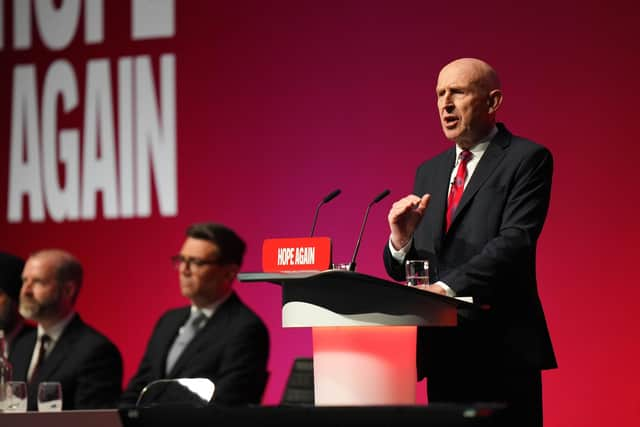

The geographical impact deserves more attention, too. The founders I work with are not all from London or the South East. They come from Yorkshire, the Midlands and Scotland, among other parts of the UK. Many have built successful companies in their home communities, employing local people and reinvesting in the areas where they grew up. When one of those founders leaves, the consequences can be felt by the people and businesses around them. A company departing a smaller regional economy can leave a significant hole in its local community. Britain's entrepreneurial decline should concern the whole country.
The Budget on October 28 is an opportunity for the government to show that it understands what is at stake.
Joe David is founder and CEO of Nephos Group.