
Cashless society? Numerous reasons why cash needs to continue to reign as king - Andrew Vine
The shop assistant rolled her eyes and then gave me a very disapproving look when I handed over a £20 note. “We prefer contactless payment”, she told me sternly, and only relented when I explained that my debit card had stopped working and until a new one arrived from the bank in a day or two, cash was all I had.

Sighing theatrically, and with more eye-rolling, she took the note and made a great play of counting out the change.
We’ve arrived at a very strange state of affairs when customers have to justify themselves for handing over legal tender, and even when it is grudgingly accepted are made to feel at best nuisances, or at worst, dinosaurs who are out of step with the times.
But that’s becoming the norm in increasing numbers of shops where the customer proffering cash is greeted with irritation.
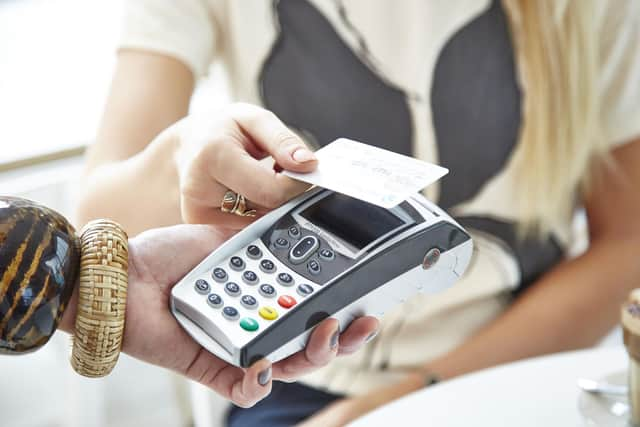

I’ve mentioned this to friends and family, and they’ve all noticed it too, along with a trend for more places to have signs up saying ‘card only’.
If the government wanted to make friends with consumers, it would do well to make clear to the retail sector that this needs to stop.
The old saying about the customer always being right includes the entitlement to pay however they please. If cash is most convenient for them, they should not be made to feel uncomfortable or unwelcome.
I have some sympathy with shops preferring cards. Relentless bank branch closures – and now the likelihood of a lot of Post Offices going the same way – have made it far less convenient for businesses to deposit their cash takings.
But even so, and despite the banks’ obvious wish to banish cash entirely, pounds and pence are alive and kicking, and long may that continue to be the case.
Last month, the British Retail Consortium (BRC) revealed that the number of customers paying by cash was actually increasing, accounting for 19.9 per cent of transactions in 2023, up from 18.8 per cent the year before. It was the second consecutive year of more people using cash in shops.
When the figures are totted up for the festive season just past, that trend will probably continue. Times are hard for many, and for those feeling the pinch, cash is the easiest way of keeping track of spending.
And another reason why cash is being increasingly used is that the banks are chiselling extra income in charges from businesses for card transactions.
Two independents I use regularly, a barber and a fishmonger, have told me recently they are asking customers to pay in cash wherever possible, because their bank charges for processing card payments have shot up.
The BRC has spotted this, and criticised card companies for raising fees without transparency or justification. During 2023, these charges raked in a whopping £1.64bn.
No wonder the banks are so keen to see us become a cashless society. There’s a fortune in it for them.
Despite the dirty looks and eye-rolling of shop assistants like the one who came very close to telling me off, more of us ought to be using cash to ensure that it remains central to how we go about our everyday lives.
I don’t want to be bothered with keeping track of a mass of fiddly card payments every month for everyday bits and pieces like newspapers, bus fares, a loaf of bread or a pint of milk. It’s far easier to pay with notes and coins, and if shops don’t like it, that’s just tough.
But there is institutional pressure from the banks to stop us using cash, just as there is a determination on their part to bring face-to-face banking to an end with the closure of branches.
It was recognised last autumn by the Financial Conduct Authority, which fired a warning shot at the banks by introducing rules compelling them to maintain convenient access to cashpoints for all.
The FCA’s own research underlined how important that is, finding that 10 per cent of people relied on cash for all their transactions, especially those without much money, and among older people 42 per cent preferred it to any other payment method.
We shouldn’t be surprised by that. People know exactly where they are with cash, whether they are flush or skint for the rest of the month until payday, and any effort by immensely wealthy banks to deprive them of that sense of security is as wrong as contributing to high street decline by closing branches.
And parents who encourage their children to use cash as opposed to them growing up tapping a debit card on the reader will be giving them a valuable lesson in budgeting and managing money.