
Climate change risk to Yorkshire’s Rhubarb Triangle is a reminder of the threat to wider agriculture

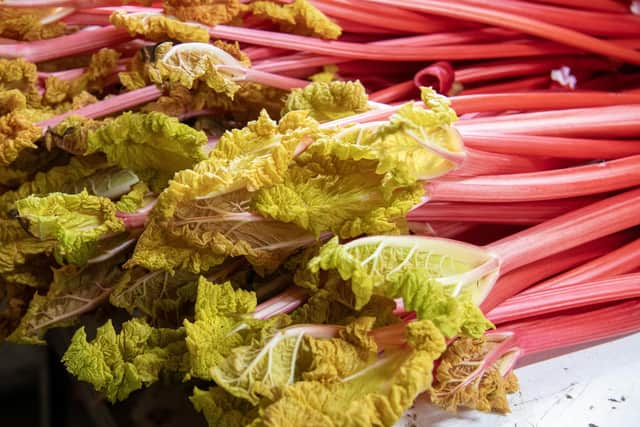
The impact that climate change is having on supply and availability of rhubarb is a concern that cannot be overlooked.
Extreme flooding in the Spring of 2024, frost coming later and later every year, affecting the forcing of rhubarb, and drought last year, have all made life extremely difficult for farmers.
There were 200 growers across the famed Rhubarb Triangle in Yorkshire in the 1980s, now there are just nine with many farmers now aged 80 or over.
Climate change is not just an issue affecting rhubarb with strawberry growers also pointing to the shift impacting yields. And a report, prepared for the York and North Yorkshire Combined Authority in July last year, suggested climate change could lead to profits from agriculture being down by £322m.

This is a question of viability for the whole of British agriculture. No nation is going to be able to mitigate the effects of climate change overnight, especially on its own. But steps need to be taken to at least make life easier for British farmers.
Imports are also hampering the viability of UK and Yorkshire growers. Better education about the seasonality of fruit and vegetables and pressuring retailers to stock British produce before importing from abroad would make agriculture more sustainable. It would also cut down food miles at a time when there is a desperate need to reduce emissions.
Initiatives such as the Rhubarb Festival in Wakefield should not be taken lightly. It stands as an important reminder of this humble vegetable’s roots in this region and why more needs to be done to protect its growers.