
Coronavirus and how patients can help GPs over pandemic – Dr Nick Summerton
LAST week we got our first delivery of protective kit from the Department of Health. Some practices are now already using gloves, aprons and face masks when they see any patient – not just people with coughs or colds.

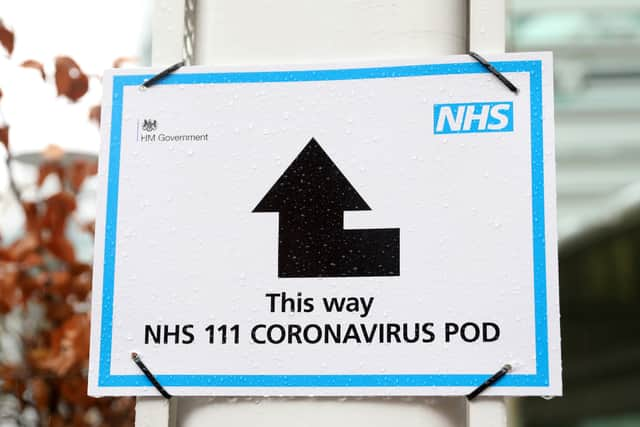
Across Yorkshire many GP colleagues are cutting down on face-to-face appointments and moving towards the greater use of Skype and the telephone for consultations. NHS 111 are also doing a fantastic job shielding general practices from being swamped by calls.
On top of all this, there are plans to bring back recently retired GPs. But some thought must also be given to reducing the administrative burden on all doctors.

Suspending the requirement for annual appraisals and stopping all CQC inspections should happen immediately. Patients also need to be aware that complaints generate a lot of work. Writing one is fine but, at this time, please think twice before sending it.
All health care workers need to keep themselves safe, but I believe that – as GPs – we must continue to support our most vulnerable patients throughout this challenging period. We also have an important role to play in ensuring that we pass on the correct – and most up-to-date – information. The epidemic of coronavirus is certainly being accompanied by an outbreak of fake news and misinformation.
Like many GPs, I now work part-time but have volunteered to do some extra consultations by phone or Skype. In addition, we need to become more willing to do home visits for those at increased risk from coronavirus rather than exposing them to the dangers of our waiting rooms.
Over eight out of 10 of us infected with coronavirus will get a mild illness with just a dry cough and a temperature. You are more likely to get sick – with breathing problems – if you are over 80 years old or have other underlying medical conditions.
If you have diabetes, heart disease, cancer or lung problems you may need to self-isolate for a time – even if you don’t get coronavirus – and now is the time to check:
That you are as healthy as you can be. If you smoke this is a good time to stop. Have you had a check-up with you GP or practice nurse within the last year?
That you have a few friends or relatives that you could call on to help with collecting medicines, shopping or running errands. Across Yorkshire I am keen to promote the idea of younger, fitter individuals becoming local ‘coronavirus volunteers’.
Whether you should get any additional medicines to keep at home just in case you get sick. During the great flu outbreak of 1989, I gave a small supply of antibiotics and steroids to all my patients with chronic bronchitis.
But I do worry about the idea that we all self-isolate if we get any cough, cold, sniffle, sore throat or feel unwell as this will place enormous additional pressures on practices as well as removing many health care staff away from the front line.
Last week Professor Chris Whitty, the Chief Medical Officer, recommended that people who have a new continuous cough or a high temperature should self-isolate. This is much too vague and does not seem to ‘follow the science’ that he is so committed to.
Symptoms are never as clear cut as we would like – especially when a viral illness is developing. In my view – and based on a lot of data from patients with coronavirus – self-isolation should only be recommended for people who have a dry cough that has lasted for at least 24 hours plus a raised temperature (over 37.8 degrees).
In time a vaccine will be developed to fight coronavirus and various anti-viral medicines are being looked at too. In the meantime, we all need to become much more obsessive about hygiene.
Keep washing your hands and remember that coronavirus can lurk for many hours – or even days – on things we touch such as money, surfaces, handrails and computer or phone screens.
We should also try to avoid touching our eyes and noses or shaking hands, touching and kissing other people.
If someone has coronavirus you are more likely to get it if have been within two metres of each other for at least 15 minutes. This might just be from talking to them.
Over the next few months most of us will get coronavirus and, when we do, won’t get poorly. But we all need to think about our family and friends too – some of whom will be much more vulnerable.
For young men who don’t usually wash their hands after going to the toilet they now need to stop and ask themselves ‘what about Granny?’
Dr Nick Summerton is a East Yorkshire GP and public health specialist.