
Cryptocurrencies are here to stay but due to volatility and lack of regulation we must tread carefully - Alan Lazenby
With the rise of cryptocurrencies and the relentless buzz on social media, more people are starting to take an interest in digital assets. Every day, a new crypto coin seems to appear, accompanied by a dizzying array of jargon and terminology that can confuse even seasoned investors.
At its core, cryptocurrencies operate on blockchain technology, which uses cryptography to secure data and prevent unauthorised access, using things called ‘nodes’ in a blockchain network. To simplify: imagine a computer system that’s virtually impossible to hack. When someone buys or sells a digital coin, a network of computers running the same software verifies and approves the transaction. This decentralised approach ensures transparency and security.
The idea of cryptocurrencies dates back to Bitcoin’s launch in 2008, introduced by the mysterious Satoshi Nakamoto. Nakamoto’s white paper, Bitcoin: A Peer-to-Peer Electronic Cash System, proposed a digital currency with a finite supply of 21 million coins. The goal? To create a deflationary asset immune to the inflationary pressures of traditional ‘fiat’ currencies, which governments can print at will.
While revolutionary at the time, Bitcoin is now seen as old technology. It’s no longer practical as a day-to-day currency - it’s slow and expensive for small transactions like buying a coffee. Instead, Bitcoin is treated more like a commodity, a ‘store of value’ akin to gold. However, its extreme price volatility - up to 70 per cent - makes it a high-risk asset.
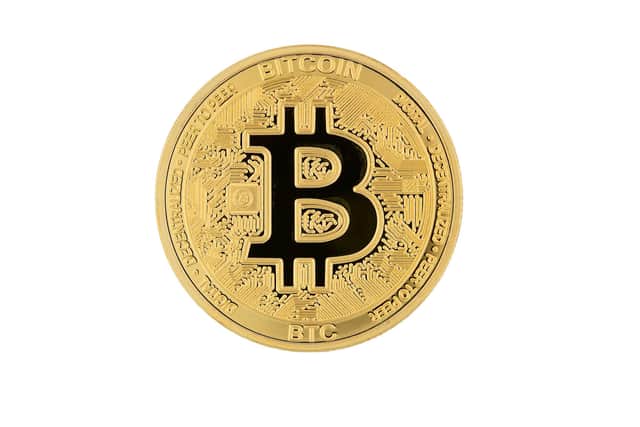

For most Yorkshire investors, Bitcoin’s wild swings in value make it unsuitable. Commodities, including Bitcoin, are the most volatile and high-risk assets to hold. They’re best left to seasoned investors who can weather significant losses without financial strain.
The crypto space is expanding rapidly, with newer coins gaining attention. Among them are ISO 20022-compliant tokens like Ripple’s XRP, which may soon function as digital currencies. However, the outcome of a longstanding legal battle between Ripple and the US Securities and Exchange Commission (SEC) will play a critical role in determining its future.
The lack of regulation in the crypto market makes it a high-stakes environment. Thousands of investors very recently lost significant sums of money after buying into a now-defunct cryptocurrency launched by social media sensation Haliey Welch who lent her viral “hawk tuah” moment to a new digital coin. This underscores the importance of proper oversight.
Although regulation is on the horizon, the US will likely set the tone for global crypto policies. ISO 20022-compliant coins like XRP may benefit from this, as they’re already being adopted by banks worldwide as intermediary currencies for cross-border transactions.
Cryptocurrencies and their underlying technologies are undoubtedly here to stay. They’re evolving rapidly, with potential applications far beyond digital payments. However, for the average investor, they remain a financial minefield. Extreme volatility, lack of regulation, and susceptibility to scams mean you must tread carefully.
If you’re tempted to dip your toes into the crypto waters, start small and only invest money you can afford to lose. Remember: while the term "crypto" might sound futuristic, its root word, "crypt," also means a tomb. Don’t let your finances end up buried there.
Alan Lazenby is the managing director of Lazenbys Financial Services.