
Cyber attacks on supermarkets show why we can’t ditch cash - Sarah Todd
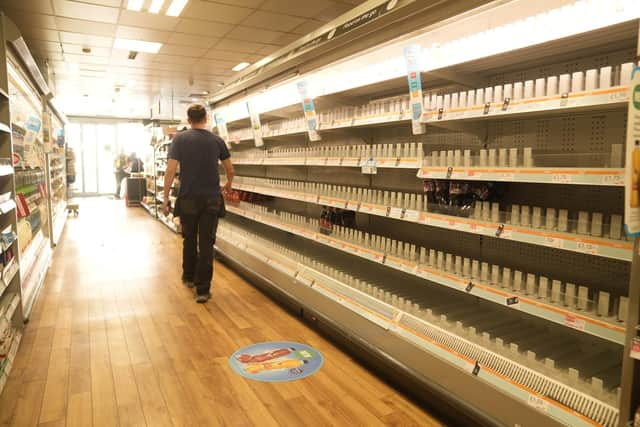
It was shocking to see at first hand the empty supermarket shelves following the recent cyber attacks. With a litter of puppies to find good homes for, an outing was made to a neighbouring market town to pin up a notice in the country supplies store.

Among the sow nuts and cattle mineral lick buckets can be found the most marvellous corkboard, peppered with everything from ferrets to farmyard cats, along with services such as mole catching and sheep shearing. As an aside, the internet has largely done away with such community pinboards. Remember when they were in every corner shop?
Instead, every town and village now seems to have a Facebook page where new residents moan anonymously about anything and everything from muck spreading to smoke from garden bonfires while old-fashioned parish noticeboards stand empty. The odd rusty drawing pin is the only remaining relic of what would once have been vibrantly papered with church services, domino drives, dances and bags of kindling for sale.
Some will say it’s just progress, that all this information is now available at the click of a button, online, but what about the elderly or others who aren’t connected. Surely rather than improving their lives, the use of technology has made some more isolated.

Anyway, this hand-written notice was part of a very targeted marketing strategy. Anybody taking the time to stop and read the country store’s noticeboard, while waiting to buy a bag of pony nuts or ewe replacement milk powder, will offer the sort of home we are hoping for.
But back to the story this correspondent wanted to tell. This country store stands almost next door to a Co-op supermarket so, shopping list in hand, it was popped into once the canine advertising campaign had been completed.
What an eye-opener. Reports about the cyber attack that had forced retailers to take key systems offline had been half-watched on the news but not really taken any notice of.
Such a shock to come face-to-face with empty shelves in a small store in a sleepy North Yorkshire market town. It really hadn’t sunk in before that these national crises really can filter through to the grassroots, the literal bread and butter of our everyday lives. That they don’t just affect big stores or city centres.
The lady behind the checkout was cheerful enough, suppose she had hardly been rushed off her feet, but there really was hardly anything to buy. It wasn’t just fresh fruit, vegetables, meat and suchlike. But everyday essentials, like washing powder and breakfast cereals. It all seemed rather reminiscent of a scene from some communist country from the 1970s.
To fight back from last month’s hack, those companies hit - in a lengthy list including Marks & Spencer and Harrods - have been battling to restore stock ordering systems.
A friend, met about 30 years ago in the newspaper world when she used to sell advertising, went on to work for a food manufacturer and be the girl who used to chat supermarket buyers up to take more products and who they would ring in a panic when something proved a hit and stock was running low. It would be interesting to know if that human link in the retail chain is still in place.
This is, of course, about so much more than empty shelves. Extremely concerning is the fact personal customer data has been snatched. Stores are insisting bank details have remained safe, but shoppers should take this as a warning. Once again, with payment systems also affected, this feels like an example of why we would be stupid to go any further down the road of making cash obsolete.
Meanwhile, our Prime Minister has been busy ‘resetting’ the United Kingdom’s relationship with the European Union. Did we, the public, give him permission to go cap in hand back across the channel? Similarly, we were all supposed to be impressed with his Indian trade deal but, again, did us taxpayers give the nod to incoming Indian workers being exempt from National Insurance payments?
When times are tough, it is all too easy to start looking inwards and not networking with other countries. There is part of your correspondent that thinks Sir Keir would have been better having his photograph taken, sleeves rolled up stacking shelves and supporting Britain’s beleaguered businesses, rather than cosying up to President of the European Commission Ursula von der Leyen.
To finish on a lighter note, how lovely this week to see that Queen Camilla has a new terrier in her life.
Something makes me think Her Majesty would have loved a rummage among the dog biscuits in the country store where we started.