
Devolution must not overlook the needs of rural areas in Yorkshire
The drive towards devolution across England is a good thing. Putting more power into the hands of communities can make a big difference when it comes to tackling the inequalities that blight Britain, especially as the country has one of the centralised states in Western Europe.

Experts have repeatedly highlighted how that inhibits economic growth, to the detriment of the country.
While there is a need to tackle geographical inequalities, it is vital that rural communities do not miss out on the benefits that come from devolution. And that is the risk that a new report by the All-Party Parliamentary Group (APPG) for Rural Business and the Rural Powerhouse clearly lays out.
The findings show a growing disparity in local government funding and productivity, which in majority-rural authorities is around 8 per cent below the England average. Closing that gap could add an estimated £22.5bn to the economy.
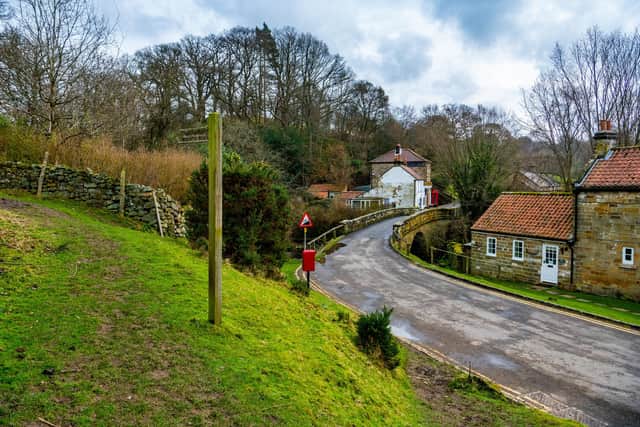

This illustrates just how important the rural economy is for the country. The countryside is essential when it comes to food security and conservation efforts in the face of a growing climate crisis. Parts of the countryside are also major tourist destinations.
But rural parts of the country are not quaint museums for people to gaze at. These are places that people call home. Where they go to school and work. Where they meet and socialise.
These people and the businesses in these parts of Britain have just as much right to benefit from devolution as urban communities do.
As John Milne, chair of the APPG for Rural Business & the Rural Powerhouse, says “Devolution could be a huge opportunity for rural communities, but only if it is designed with them in mind from the start.”
A one-size-fits-all approach simply won’t cut it.