
Devolution offers an opportunity to bring decision-making closer to communities but local leaders must involve citizens - Sarah Davidson
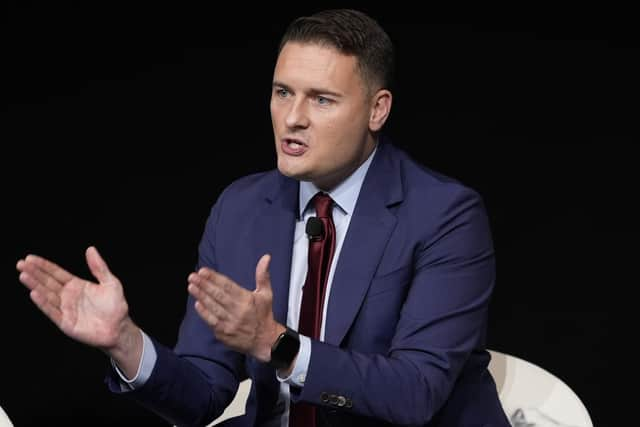
When Health Secretary Wes Streeting said, “…there’s deep disillusionment in this country at the moment, and I would say a growing sense of despair, about whether anyone is capable of turning this country around,” those words struck a chord. They echo what Carnegie UK research has shown for some time: people feel unheard and uncertain about the future.
Our latest report shows that a third of people in England are unhappy with local job opportunities, a figure that has risen ten percentage points in two years. The same research series shows more people highlighting problems with deteriorating public spaces including litter and noise pollution. Our Life in the UK Index shows persistent problems with community safety in England, and unsurprisingly we see greater social and economic hardship among poorer people, disabled people, and in deprived neighbourhoods.
While trust in the UK Government has risen slightly since the general election, most people in England don’t believe they can influence decisions at either a local level or across the UK. These figures matter because they give us an indication of what life is really like for people in England today. But they also offer us a route to addressing the problems we face. If we want to restore trust, governments at every level must do two things: listen more carefully and measure what matters.
Listening sounds simple, but it requires commitment. It means engaging with communities - not just during election campaigns or in consultations that feel tokenistic - but consistently and meaningfully. Citizens’ juries and panels offer a powerful way to do this. They bring together people from different backgrounds to deliberate on real issues and shape decisions. When done well, these exercises can build understanding, trust and legitimacy. They show that listening is not a one-off exercise but a way of governing. Crucially, they are also how politicians and officials can find a way through difficult and contentious issues.

Measuring what matters is equally vital. At Carnegie UK, we have long argued that wellbeing should be at the heart of decision-making. That means making sure that our political and government processes are built around measuring what’s going on in people’s lives and then systematically improving them. Wellbeing metrics provide a clearer picture of progress than economic indicators alone, guiding smarter policy decisions. There are reasons to be hopeful. The devolution agenda offers an opportunity to bring decision-making closer to communities. Local leaders can build trust and deliver change that feels real. But only if they embrace involving citizens and report progress in terms that reflect actual lives.
This change does not have to wait for Westminster. Local and regional leaders can lead the way. By embedding wellbeing measures, convening citizens’ panels, and shaping priorities around what matters most to people, they can show that politics works when it listens. If we start locally, we can rebuild trust from the ground up and create a model for dispelling the gloom.
That doesn’t and shouldn’t let national leaders - like the Health Secretary, Chancellor, and Prime Minister - off the hook. Indeed, it would be refreshing and inspiring if the upcoming Budget was designed around tackling all sorts of inequalities, both regional and individual, rather than focussing exclusively on the concerns of the financial markets. Sarah Davidson is chief executive of wellbeing policy foundation Carnegie UK.