
Drivers like me across Yorkshire are counting the cost of the pothole crisis - Andrew Vine
I’m £150 out of pocket thanks to the potholed roads we’re all plagued by, but even so I count myself lucky. A neighbour has just been landed with a £600-plus bill for repairing her car’s suspension after hitting a hole at night which she didn’t see until too late and had no way of avoiding.

Compared to that, I got off lightly with a new front tyre and the steering being corrected after catching a pothole that knocked it out of alignment.
I asked the mechanic who fixed it if his garage was seeing a lot of similar damage. All day, every day, he replied. He and his colleagues are kept so constantly busy with drivers like me bringing their cars limping in after a journey to work or the shops had ended in a teeth-rattling impact that they are struggling to fit in routine servicing for other customers.
How on earth have we come to a point where roads across Yorkshire resemble rutted cart-tracks in third world countries?
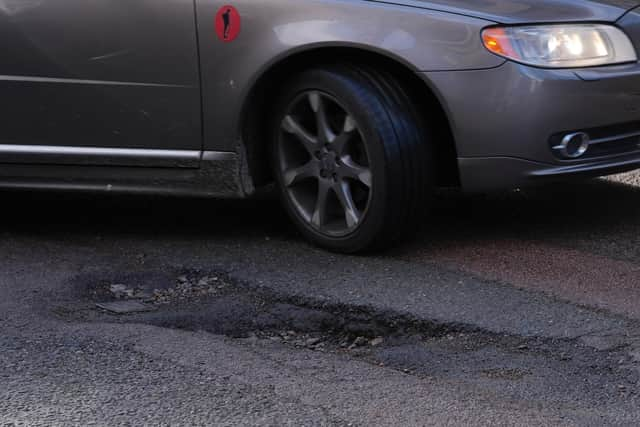

Driving has become an obstacle course of proceeding gingerly along, swerving around potholes if it is safe to do so, or slowing down to a crawl to bounce cautiously through them, hopefully without hearing the sickening crunch of the underside hitting the ground or the snap of something breaking.
In my corner of Yorkshire, there are certain main roads that I now avoid altogether because they are so bad, which often means taking convoluted routes for what should be short and straightforward journeys.
I shudder to think what impact the potholes crisis is having on businesses throughout Yorkshire who rely on the roads.
At a time when their costs are soaring because of fuel prices, there must be company bosses in despair at how much they are having to pay out for vehicle repairs.
It isn’t only businesses being affected. Ambulances answering calls where speed is essential are also lurching across potholes with ill patients aboard, and charities staffed by volunteer motorcyclists who deliver vital medical supplies for the NHS have warned their work is being put in jeopardy by damage to their bikes.
Like many drivers left out of pocket by repairs, I couldn’t help smiling when the Transport Secretary, Heidi Alexander, joined our massed ranks last month, needing to be towed to a garage after her car clunked into a pothole she described as a crater.
Let’s hope her repair bill helps to concentrate minds in government on the need to do much more to return the roads to a fit state.
According to research published shortly before Ms Alexander gained first-hand experience of a problem her department is responsible for, one in three drivers has suffered pothole damage, with an average repair bill of £164.
That must mean millions of us are being left frustrated or angry at having to shell out money because of hazards we have no way of avoiding.
But even that sheer weight of numbers pales beside the scale of the crisis afflicting the entire country. The trade body Asphalt Industry Alliance estimates that it would take 12 years and £18.6bn to repair the potholes and return the roads to the condition they should be in.
Those jaw-dropping figures tell a story of a road network going to rack and ruin, and a lack of concerted effort by the government to do something about it.
Ministers have pulled the familiar stunt of passing the buck for a national problem to local government, leaning on councils to fix the problems while conveniently choosing to ignore that local authorities are chronically short of money.
Ms Alexander’s department is threatening to withhold £1.6bn of funding for repairs from councils which fail to prove they are maintaining roads effectively. This sort of posturing blame game isn’t helping anyone.
There is something else ministers are choosing to ignore – although £1.6bn sounds like a mightily impressive sum, when spread around the country’s nearly quarter of a million miles of road and compared to a national repair bill of £18.6bn, it’s peanuts.
At best, it will pay for patching-up the very worst spots and not proper resurfacing. However it is achieved, the government needs to find more money and take responsibility for the road network.
Even so, councils could do more to make life better for motorists in their areas.
Last month, a survey revealed during the 2024/25 financial year local authorities across the country raked in £530m from parking fines, and the same sort of sum is likely to be generated in succeeding years.
This money ought to be spent on repairing the roads. It has been raised from drivers rightly penalised for breaking the rules, so there is natural justice in using it to benefit fellow motorists who shouldn’t have to brace themselves for every journey being a lottery in which their car might suffer serious damage.