
Dyslexia diagnosis changed my life and that’s why I’m calling for mandatory neurodiversity screening - Alexandria Crystal
Every parent wants to see their child succeed at school. As students we also want to thrive, not just academically, but socially and emotionally too. However, for millions of children across the UK, school can feel like a constant struggle.
Whether it’s trouble reading, focusing, or simply keeping up with peers, the challenges that neurodiverse children face are often misunderstood - and, in many cases, undiagnosed until it’s too late. I myself wasn’t diagnosed until I was 14, my brother however was diagnosed at 7.
My mother had queried with teachers whether I was likely to be dyslexic with one of them actually laughing openly to her face at the suggestion; I clearly didn’t look like what they expected a dyslexic to be.
Neurodiversity, which includes conditions like dyslexia, ADHD, autism, and dyspraxia, affects one in seven people in the UK. Yet, many children with these conditions don’t receive the support they need until they’re well into their school years. This is something I know all too well.
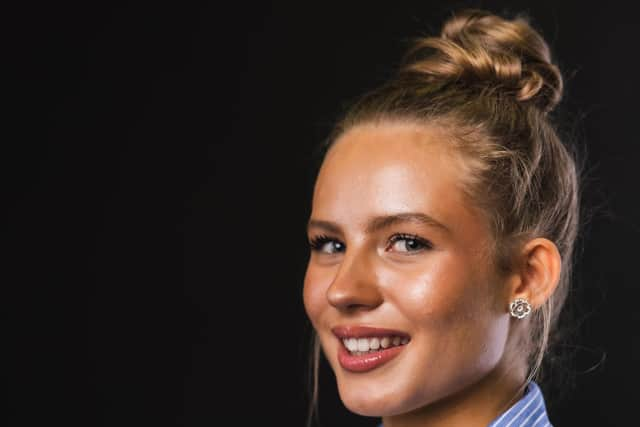

As a young person with dyslexia, I spent my childhood asking myself silently why I was having to read things over and over, why I'd forgotten what I’d read by the time I got to the end of the sentence, with no one realising what was causing my difficulties. I excelled in some areas, but battled in others, particularly maths.
Having a diagnosis completely changed my life, it wasn’t about having an excuse It was about me understanding why I was struggling and being able to look at how I could do things differently to help myself. I knew finally that I wasn’t the thick kid in the class, I just processed information differently.
Today, I am campaigning for a change that will ensure no child has to face the same uphill battle I did - by calling for compulsory neurodiversity screening in schools.
Early identification can make all the difference. The sooner a child is diagnosed, the sooner they can receive tailored support that allows them to succeed on their own terms.
For children with dyslexia, this could mean the use of audio books or assistive technology, or being given extra time during exams. For children with ADHD, it might involve strategies to minimise distractions, clear routines, and support in regulating behaviour. For children with autism, early diagnosis allows them to access social skills support and behavioural therapies that help them thrive in a classroom setting.
Research from the British Dyslexia Association (BDA) shows that children diagnosed with dyslexia early on are far more likely to succeed academically than those who are not diagnosed until later. Early intervention not only helps children in school but also boosts their confidence and mental well-being.
Many children in the UK still aren’t diagnosed until much later in life. For some, they never get screened so go through life without the support they need making it much harder in the work place.
Some families fight their child's school or local education authority for years, this is even harder if the teachers themselves don’t understand what these conditions actually are and how they present themselves in the classroom.
I’m calling on the UK government to introduce mandatory neurodiversity screening for children in primary schools. The petition I launched in 2024 is calling for all children to be screened for neurodiversity early on https://petition.parliament.uk/petitions/701461.
Alexandria Crystal was awarded the British Dyslexia Association’s Outstanding Young Person of the Year Award in November 2024.