
Earl Spencer is a distraction at a gravely important time for the country - Daxa Patel
I am exasperated by the fact that those in public life cannot feel the pulse of the nation. We are at a critical juncture when the country is straining for clarity and responsible leadership from everyone who has any ounce of power, and influence. Yet here we are again.

Every day brings another reminder that the world is shifting under our feet: the rise of the far right in Europe, conflicts that redraw the map of global stability, and domestic crises that leave families wondering how they will get through the next month. In times like these, attention becomes a civic asset. This means what we choose to amplify and what we choose to ignore matters more than ever.
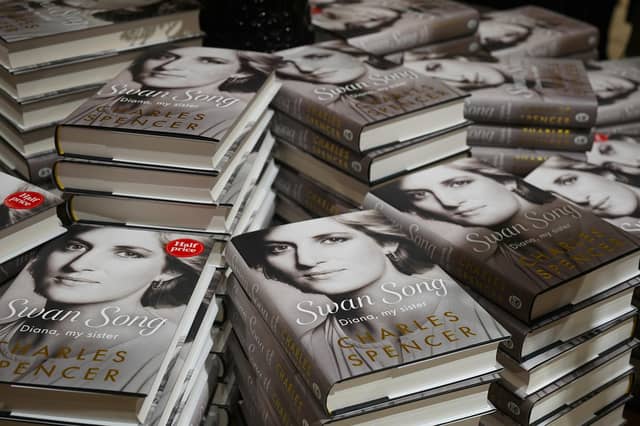
I cannot understand why this week’s media fixation is on a decade-old family grievance when as a nation we have so many other challenges to tackle. A personal story, resurrected for public consumption, dominated headlines while Europe confronts political extremism on its doorstep and families across Britain face pressures that are anything but historic. The story itself is understandable. Grief is complicated, families are complicated, and the desire to set the record straight is deeply human. But understandable does not mean timely or newsworthy.
I say this with lived experience. When my father died, my grief opened a door I thought had been sealed shut. My mother leaving us is an old story buried for years but in my head, it resurfaced with force. I felt alone, unsupported, and old wounds opened. All families have old wounds and beliefs of who said what and how it made them feel, that is being human. I do not diminish that sense of injustice but does opening it all up help to rebuild hope and unity again? I very much doubt it.
In my case, my father was mine, my grief was mine, how can I expect others to comprehend how I felt. This belonged to us, not to the world. Pain can be profound without being public, and private truth does not automatically become public interest.
That is the distinction we are losing in public life.
The media’s job is not to provide catharsis for individuals, however compelling their personal narratives may be. Its job is to act with proportion, judgement and civic responsibility, especially when the stakes are high. We are not living in ordinary times. Europe is wrestling with political forces that threaten its democratic foundations. The Middle East and Red Sea remain volatile. Innocent families in Ukraine and Palestine continue to bury their dead. While here at home, we face grooming scandals that have shattered trust, poverty that has hollowed out communities, and social care systems that are buckling under the demands placed upon them.
These are the fires that impact the lives of ordinary people. These are the stories that deserve oxygen and this is what the leaders in the world of media and broadcast need to focus on. I do not disregard the hurt and pain felt by Earl Spencer, but his media interviews and allegations are frankly, a distraction at a dangerous time in our national discourse.
Britain has something many countries wish they had: a Royal family capable of providing unity when political leadership falters. The late Queen embodied that ability, and she understood the weight of public attention and the responsibility that comes with occupying national space. Not every hurt needs to be broadcast and not every grievance needs to become a headline.
This is not about suppressing stories, but it is about recognising that public platforms carry a moral responsibility to prioritise what matters. When the greater good is at stake, personal grievances no matter how justified should not be sensationalised into the lead story.
Besides, this sort of headline does not help an innocent child victim killed in Ukraine or Palestine, nor does it lessen the immense anxiety, and hurt carried by a woman still waiting for justice because the man who harmed her walks freely in her local supermarket years after perpetrating the abuse.
We are a country that needs steadiness, clarity, and leadership not noise. And leadership is not only the job of politicians it is the job of broadcasters, journalists, influencers, and anyone who occupies public space. Attention is a finite national resource. When we squander it, we weaken our collective ability to respond to the storms gathering around us.
Against this backdrop, the media’s responsibility is clear: act with proportion and focus their efforts on what matters. Resist the temptation to turn personal pain into public spectacle and remember that leadership under pressure is not only about what you say, it is about what you choose not to amplify.
And this is where the public mood matters as ordinary people, unlike celebrities with platforms ready-made for them, often feel unheard and unseen by those in power. They watch crises unfold, they carry private burdens quietly, and they see their realities sidelined while the national conversation is hijacked by noise.
Daxa Manhar Patel is a leadership coach, author and solicitor.