
Economic contribution as a result of £2 bus fare cap needs to be taken into account

There is no denying that the £2 bus fare cap has been a blessing for passengers in Yorkshire. Ever since the fare cap was rolled out in 2022, passengers have been making use of bus travel more often.
This came after operators warned that demand had fallen for bus travel after the Covid pandemic and passenger numbers had not recovered.
What the fare cap has shown is that there is absolutely a demand for affordable and reliable public transport. Something which has been gravely lacking in this region.
It is not just commuters that have benefited from single fares being capped at £2. People who otherwise would not consider travelling by bus have also taken advantage.
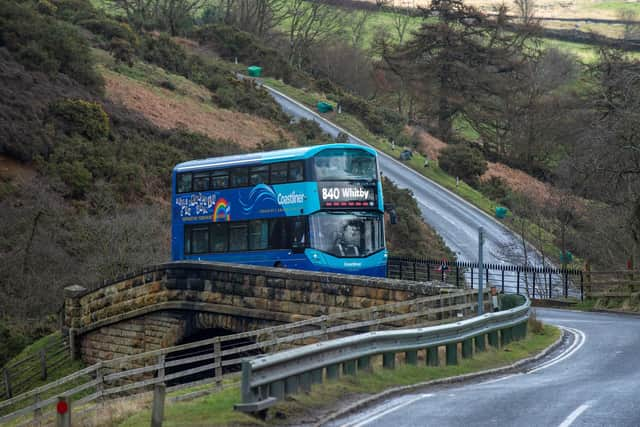

This only has a positive impact on the economy with more people getting out and about to enjoy all that Yorkshire has to offer.
Elderly people who otherwise would not be able to afford a trip out are able to get out of their homes and socialise. Given that the country has long suffered from the epidemic of loneliness, this is a welcome development.
The stimulating impact on the economy is best felt on Yorkshire coast.
Last summer, people travelled to seaside towns in the region in their droves. Those reliant on visitors to the coast will have benefited from this. A trend that was helped by the bus fare cap.
Following a change of government, however, there is concern that bus services could fall off a cliff edge with the impending end of the £2 cap.
While this scheme comes at an obvious cost to the public purse, the Treasury should also be looking at the economic stimulus that the cap provides.
Ultimately, in places like North Yorkshire, buses are an important lifeline for many communities. Without them they would be cut-off and isolated.