
Energy flexibility gives households and businesses across Yorkshire a choice - Rebecca Beresford
Britain has enough electricity. The challenge is not whether we have enough power, it is how we manage the system securely and cost-effectively for consumers. The current cost of living makes that even more acute so we must be smarter about when and where electricity is used to help every household and business in Yorkshire paying an energy bill.
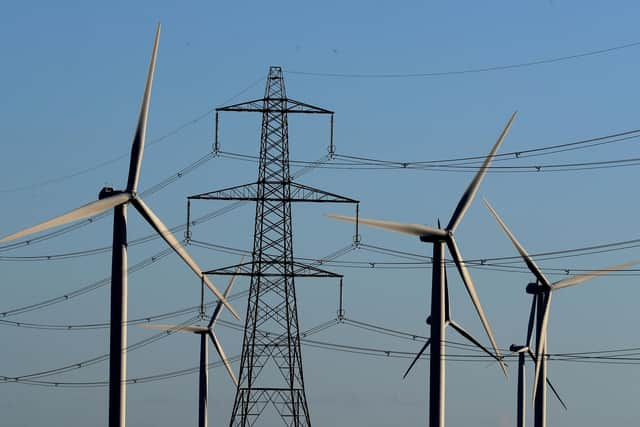
On windy and sunny days, Britain produces large amounts of clean electricity. However, when there is too much power in one place and not enough capacity to move it, then generators, oftentimes wind farms, need to be paid to switch off to ensure grid security. Electricity from elsewhere, at higher prices, then has to be brought on to keep the system balanced.
These costs are ultimately reflected in what households and businesses pay and these costs could increase by billions of pounds unless action is taken. That is why there is a significant network upgrade programme underway, by network companies, to reduce these bottlenecks.
But, alongside this network reinforcement, if electricity is plentiful in one part of the system, why not make it easier for homes and businesses across our region to use more of it at the right time and be rewarded for helping? That’s where NESO’s Demand Flexibility Service comes in.

Energy flexibility is about being paid to do things you were going to do anyway, just at a better time. Charging the car overnight instead of at peak. Running the washing machine or dishwasher when power is cheap and abundant rather than when there’s less of it or it is more expensive. For a business, it might mean shifting when heating, cooling or when fleet charging happens.
It is not rationing, asking people to sit in the dark, go cold or change their lives in uncomfortable ways. It is about giving households and businesses the choice to shift some electricity use when it suits them and when it helps the system.
The key point is that it is voluntary. People choose whether to take part through their provider and then get rewarded for participating. Nobody is forced to change how they use electricity.
NESO’s Demand Flexibility Service was originally created as part of winter contingency planning. Since then, it has evolved into a year-round tool, with more than 1.4 million households and businesses signed up through participating electricity suppliers.
Flexibility is very important but it is not a silver bullet. Great Britain still needs new power generation, new network infrastructure, storage and investment.
But flexibility can help us make better use of the electricity system we have and reduce the overall investment that is needed. It also gives households and businesses a more active role. Instead of only paying into the system, they can help support it and be rewarded when they do.
Consumers here should not need to understand complex energy markets. They need clear offers, easy choices and confidence that any reward is worth their while.
The energy debate is often dominated by what Britain needs to build. Those arguments matter. But we must not ignore one of the cheapest resources already available - the millions of homes, offices, factories and communities across the Yorkshire and Humber region that can use electricity more flexibly.
Rebecca Beresford is director of markets at National Energy System Operator (NESO).