
Environmental salvation does not lie in carbon offsetting or hypocritical gatherings like COP29 - Dr Jason Aldiss
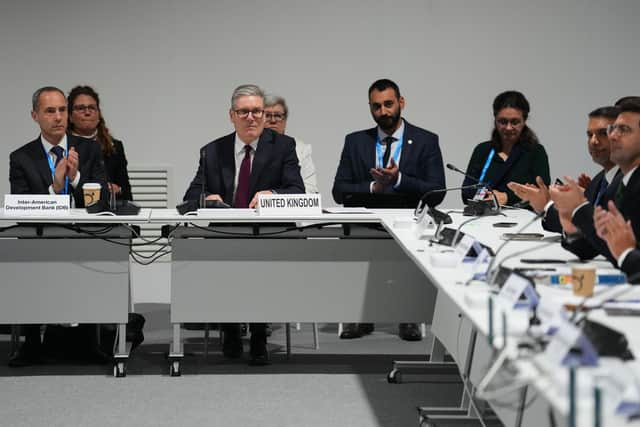
As the COP29 summit unfolds in Baku, Azerbaijan - a nation abundant in fossil fuel resources - the scene is almost theatrical. Delegates from around the globe have jetted in, indulging in lavish banquets featuring delicacies flown in from afar, all while discussing the perils of climate change.
The irony is palpable. While these virtuous attendees pontificate on humanity’s environmental transgressions, they simultaneously partake in activities that epitomise the very excesses they decry. It’s as if saving the planet has become the latest lucrative venture, with electric cars and carbon offsets serving as the ultimate symbols of virtue signalling.
In truth, carbon offsetting has become the environmental equivalent of the 16th-century practice of buying indulgences. Just as wealthy parishioners once paid for the church’s pardon to absolve their sins, today’s developed nations and corporations purchase their environmental salvation. Plant a tree here, fund a clean water project there and suddenly it’s as if the pollution and consumption can be erased from their records. This ‘green indulgence’ offers a convenient way for some to keep polluting while still claiming they’re ‘doing their bit’ for the planet. But just as Martin Luther once decried the hollowness of buying forgiveness, it’s worth asking: are we truly offsetting damage, or just soothing our consciences?
Even as we engage in these superficial gestures, we overlook the more significant consequences of our actions. The very nations that claim to lead the world in sustainability continue high-impact consumption, fuelling crises that force others to flee. We see right-wing outrage directed at migrants escaping devastation, yet we seldom acknowledge the role that Western excess and environmental disregard play in creating these crises. As we consume without restraint, our actions ripple across borders, creating the instability and environmental degradation we later condemn in others.

Consider the modern consumer, a figure evoking images of voracious locusts devouring everything in their path. We dutifully separate our waste into recyclable and non-recyclable bins, perhaps to ease our environmental guilt. Yet, we conveniently ignore the millions of tonnes of pollution pumped into the atmosphere daily by wars waged by egotistical leaders. The carbon footprint of a single tank or long-range missile is staggering, yet we find solace in leaving a corner of our manicured gardens to go ‘wild’.
And there they are - the self-anointed champions of sustainability, the modern liberal metropolitan elite, reclining on their high-end, ‘eco-friendly’ retreats with all the flair of green revolutionaries. They sip artisanal soya lattes from rainforest-cleared crops, brewed to perfection in homes warmed by fossil-fuelled power stations.
Their morning ‘green’ rituals rely on vast supply chains, with diesel-fuelled tankers bringing ethical comforts from across the globe. But it’s all in good conscience. After all, what’s a little Amazonian deforestation in exchange for a guilt-free getaway? Irony drips from the soya foam, yet they soldier on, demanding a greener tomorrow while basking in all the fossil-fuelled trappings of today.
Meanwhile, the ultra-wealthy embark on ventures to colonise new planets, eager to extend their consumption beyond Earth. It’s a cosmic irony: having exhausted our own planet's resources, we now set our sights on others. Perhaps it’s time to rethink our approach. Instead of merely consuming less, we should strive to consume wisely.
In the end, the true path to environmental salvation lies not in grandiose gestures or hollow virtue signalling but in thoughtful, deliberate action.
Dr Jason Aldiss BEM is the former chair of Pudsey Conservative Association.