
Failure of peace talks is disappointing but efforts need to be made to ensure the fragile ceasefire holds

The failure of peace talks between the US and Iran is disappointing. There has already been far too much bloodshed and destruction in recent weeks. Millions of people have been living under the cloud of war in the Middle East.
The war is also having an impact across the world. The global economy has been sent into a tailspin and Britain is not immune from the storm that is only just developing.
Despite the failure of these talks, all parties must work to ensure that the fragile ceasefire holds long enough for negotiations to resume.
Prime Minister Sir Keir Starmer discussed Washington and Tehran’s negotiations with the Sultan of Oman after the two sides’ 21-hour session in Pakistan ended without an agreement in the early hours of Sunday.
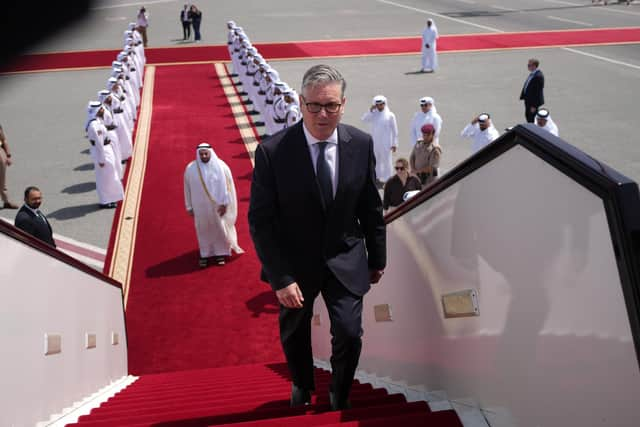

In a readout of Sir Keir’s call with His Majesty Sultan Haitham bin Tarik al Said, a Downing Street spokeswoman said: “It was vital there was a continuation of the ceasefire, and that all parties avoided any further escalation, the leaders agreed.”
The PM is right to take this position. Following his visit to the Gulf last week, Sir Keir needs to work with leaders in the region towards ending the war. And it is important that incendiary and provocative rhetoric is eschewed.
However, Sir Keir also has to face up to the economic challenge Britain faces as a result of this war. Chancellor Rachel Reeves has warned “the war in Iran will come at a cost to British families and businesses”. It is the last thing many will want to hear. The Government’s economic plan must reflect that reality.
That is why the reopening of the Strait of Hormuz also has to be a priority. The world cannot continue paying for the impasse. A calculation that the Trump administration clearly not factor in.