
Flood Action Week: How we can learn from the past and act now to protect communities from flooding - Briony McDonagh
Two years ago, Storm Babet lashed the south coast of England. Over five days, high winds, heavy rain and flooding caused destruction and disruption across the UK. At least seven people lost their lives. Extreme weather and the risk of major flooding events are on the rise in the UK.
To mark the start of Flood Action Week, Flooding Minister Emma Hardy will today open the University of Hull’s new Property Flood Resilience (PFR) lab, a pioneering new facility to support businesses to design and develop products which make homes and businesses more flood resilient.
The launch coincides with the Environment Agency’s annual flood awareness campaign, which urges households and businesses to better understand their flood risk and take proactive steps to reduce it. The opening of the PFRlab reinforces the University’s position as a national leader in flooding research and resilience, highlighting its commitment to supporting communities and industry in adapting to the growing impacts of climate change.
Flooding is one of the most urgent climate challenges facing the UK. Communities across Yorkshire and the Humber have been devastated by severe flooding events over recent years. Many are still dealing with the repercussions years later. Many will see greater flood risk as sea levels rise and seasons grow stormier. By 2050, one in four properties in England is predicted to be at risk of flooding from rivers, surface water or sea. The scale of the challenge can seem daunting.
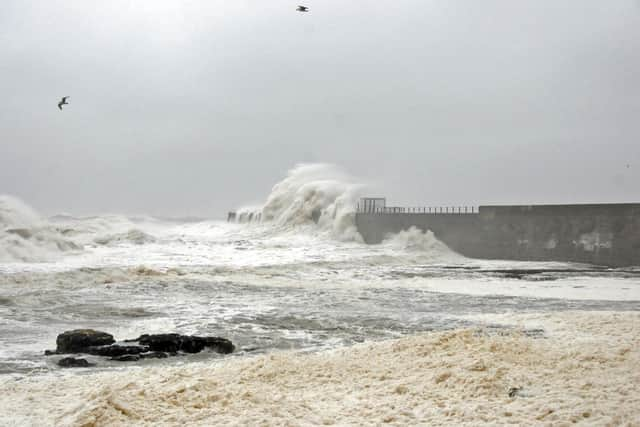

Despite the ongoing impacts of past flooding events and increasing future risk, we are not sufficiently prepared for the consequences of climate change. Of the six million households currently at risk of flooding in the UK, only 1.6 million have signed up to receive Environment Agency flood alerts. To build more resilient communities we need to act now. Encouraging people to sign up to receive flood warnings is an important first step.
To respond to the growing challenges, we need to move further and faster. We need bold ideas and innovation beyond what is currently thought to be possible. We need facilities to accelerate improvements in products and techniques to protect homes and properties. The need for professionals who can develop and deliver new approaches to flood risk management is huge. And we need greater and better coordination between all those agencies and groups involved in managing flood risk and recovery. Everyone has a part to play.
PFRlab will support the development of flood resilience measures, helping to get more products to market, so people can take positive action to become more flood resilient.
Our MSc in Flood Risk Management is producing a pipeline of flood resilience leaders equipped with skills and expertise in modelling, analysis, policy, development and planning and permitting. And we have developed significant partnerships with the Environment Agency, with local authorities, and with local communities to collaborate more effectively.
As a university we have been learning the lessons of past flooding events and gaining a better understanding of future flood risks.
Together we can take steps today to ensure we are flood ready and more flood resilient, now and in the future.
Professor Briony McDonagh is professor of Environmental Humanities and UK national lead for the COAST-R Network Plus.